
The Complete Microneedling Aftercare and Recovery Guide
Microneedling is one of the most popular cosmetic treatments for smoother texture, fewer fine lines, softer acne scars, and brighter overall tone. The procedure is minimally invasive, but the result you walk out with is not the result you keep. What your skin looks like a month later depends almost entirely on how well you handle the first ten days. This guide is the day-by-day playbook for that window: what to expect, what to do, what to avoid, the products and ingredients that actually help (and the ones that wreck recovery), and when something is concerning enough to call your provider.
Whether this is your first microneedling session or you are dialing in your routine for a series of treatments, the same fundamentals apply. Skip the shortcuts on aftercare and you will see meaningfully better collagen remodeling, less inflammation, and a lower risk of complications.
Quick Answer: Microneedling Aftercare in 60 Seconds
For the first 24–48 hours: expect redness, tightness, and mild swelling that look like a sunburn. Cleanse only with lukewarm water, apply a hyaluronic acid serum and a fragrance-free moisturizer, sleep with your head slightly elevated, and skip makeup, exercise, hot showers, alcohol, and direct sun. Days 3–5: expect light peeling or flaking. Do not pick. Continue gentle cleansers and moisturizers, add SPF 30+ broad-spectrum sunscreen anytime you are outside. Days 6–10: skin barrier is largely restored; you can ease retinoids, vitamin C, AHAs, and BHAs back in only after your provider gives the green light, typically around the one-week mark. Visible texture and tone improvements emerge around weeks 2–4 and peak between weeks 4–8 as new collagen forms.
Microneedling Day by Day: What to Expect After Treatment
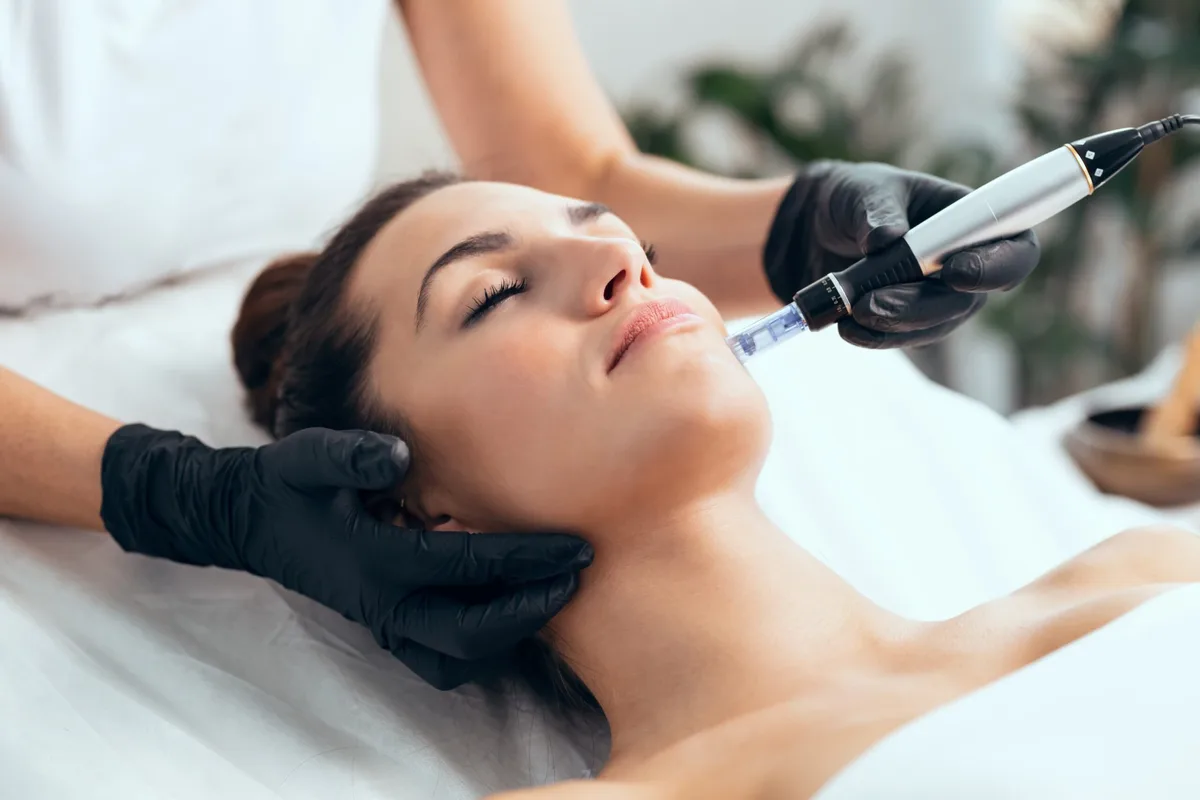
SkinPen microneedling in Jacksonville
Understanding the microneedling day by day recovery process helps you prepare mentally and practically for your healing journey. Immediately after treatment, some patients experience a mild burning sensation, and the skin may resemble a moderate sunburn: red, tight, dry, and slightly swollen. Here is a detailed timeline of what you can expect.
Day 1: Immediate Post-Treatment
Immediately after your microneedling session, your skin will appear red and feel warm, similar to a mild sunburn. Some patients also notice a brief burning sensation, with the skin looking and feeling like a moderate sunburn: red, tight, dry, and slightly swollen. This is completely normal and indicates that the treatment is working.
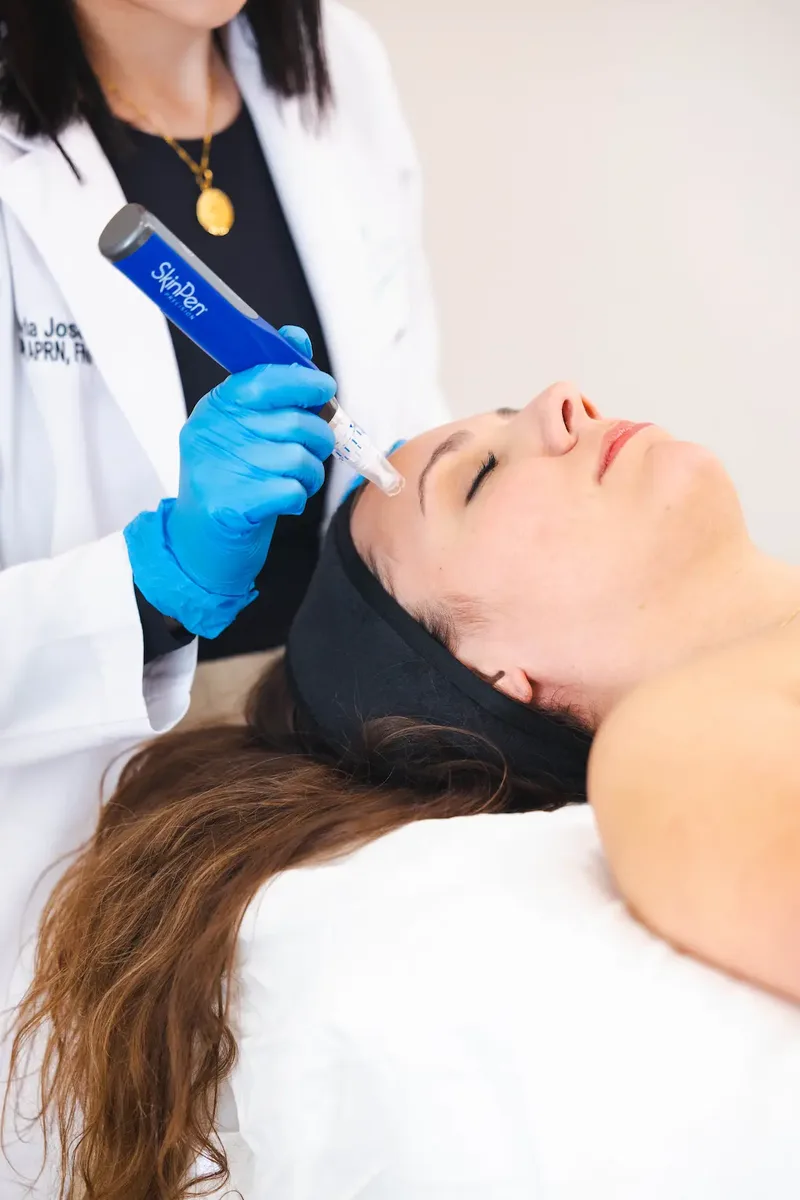
SkinPen microneedling device used at Coastal Health & Medical Spa
What to do:
- Apply a gentle hyaluronic acid serum as recommended by your provider
- Avoid touching or rubbing your face
- Stay hydrated and avoid alcohol
- Sleep with your head elevated to minimize swelling
Days 2–3: Peak Healing Phase
Redness typically peaks during this period, and you may notice some minor swelling, especially around the eye area. Your skin will continue to feel sensitive to touch and temperature changes.
What to do:
- Continue using gentle, fragrance-free moisturizers
- Follow a gentle skincare routine to support healing
- Avoid irritation by steering clear of harsh products and unnecessary touching
- Apply broad-spectrum SPF 30+ sunscreen if going outside
- Avoid makeup if possible, or use mineral-based products only
- Take cool showers and pat skin dry gently
Days 4–5: Peeling and Flaking
As your skin begins to regenerate, you may experience light peeling or flaking. This is a positive sign that old, damaged skin cells are being replaced with fresh, healthy ones. Peeling and flaking are indicators of skin renewal as your body works to heal and rejuvenate the skin after microneedling.
What to do:
- Resist the urge to pick or peel flaking skin
- Increase moisturizer application frequency
- Use a humidifier to maintain skin hydration
- Continue gentle cleansing with lukewarm water
Days 6–7: Skin Normalization

Most redness and sensitivity should subside by now, and your skin will start looking more like its normal self. You may notice a subtle glow as new skin cells emerge.
At this stage, most people can gradually return to their normal skincare routine as sensitivity subsides.
Weeks 2–6: Collagen Production and Building Phase
While your skin appears healed, the real magic happens beneath the surface as new collagen forms. Microneedling stimulates collagen and elastin production, which improves skin firmness and elasticity. Increased collagen and elastin contribute to smoother, firmer, and more youthful skin over time. You will gradually notice improvements in skin texture, fine lines, and overall radiance.
What Your Skin Looks Like Day by Day
“How will I look 2 days after microneedling?” is the question we hear most before a session, so here is the honest answer.
- Day 0: Pink to red across the treated area, warm and tight, like a sunburn.
- Day 2: Light pink that mineral makeup covers, faint pinpoint marks, maybe some morning puffiness.
- Day 4: Color near normal, but skin feels dry and rough with light flaking.
- Day 7: Tone even, flaking finished, first glow, and makeup sits better than before.
Essential Microneedling Aftercare Do’s and Don’ts
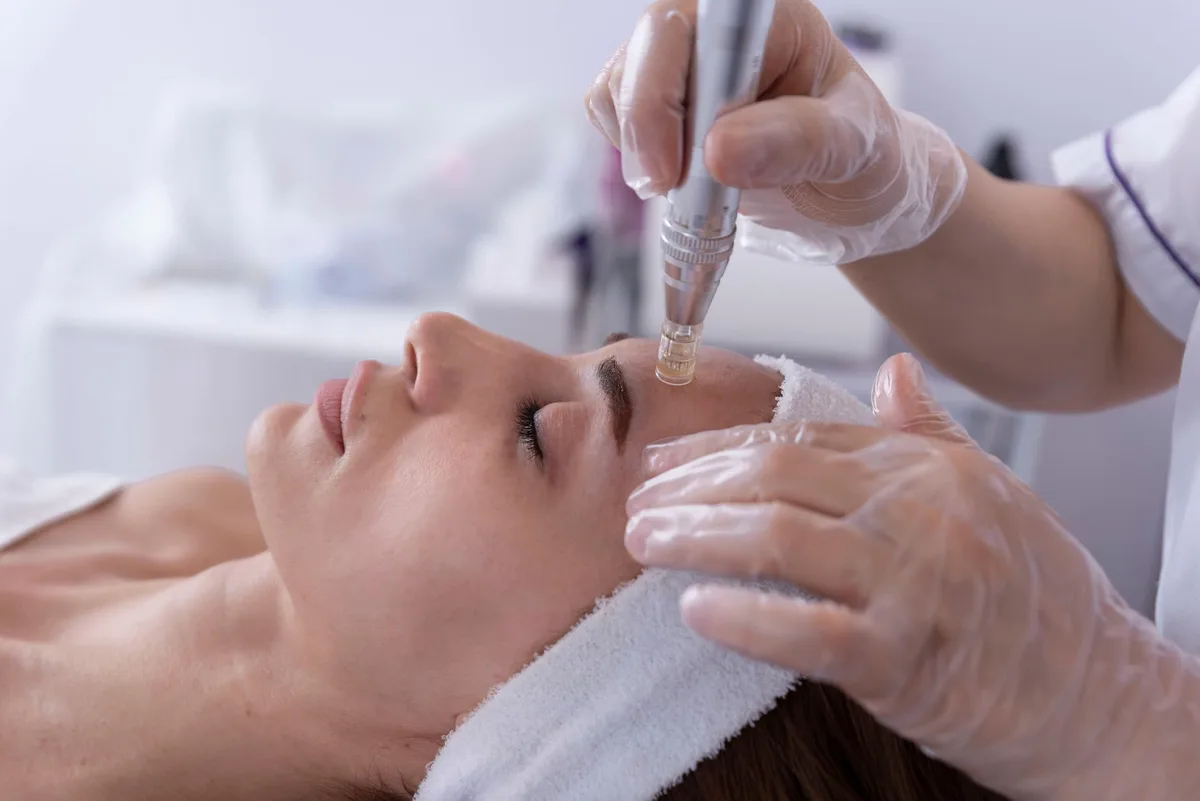
Professional microneedling treatment
Proper microneedling aftercare is crucial for optimal results and preventing complications. Here are essential aftercare tips to follow:
DO:
- Use gentle, pH-balanced cleansers to avoid irritating sensitive skin
- Apply recommended serums and moisturizers as directed by your provider
- Wear broad-spectrum sunscreen daily with at least SPF 30
- Stay well-hydrated by drinking plenty of water
- Sleep on clean pillowcases to prevent bacterial contamination
- Follow up with your provider as scheduled
DON’T:
- Use active ingredients like retinoids, AHAs, or BHAs for at least one week
- Exercise vigorously for 24–48 hours to avoid excessive sweating
- Take hot showers or baths that could further irritate your skin
- Pick, scratch, or rub the treated area
- Use makeup brushes or sponges that harbor bacteria
- Expose your skin to direct sunlight without protection
When You Can Wash, Moisturize, and Wear Makeup Again
Most of the do’s and don’ts above come down to timing, so here is the first week on one grid.
| Activity | Day 0 | Days 1–2 | Days 3–5 | Days 6–7 | Day 8+ |
|---|---|---|---|---|---|
| Washing your face | Lukewarm water only | Gentle non-foaming cleanser | Gentle cleanser | Gentle cleanser | Normal cleanser |
| Serum and moisturizer | Provider’s products only | Hyaluronic acid serum, fragrance-free moisturizer | Moisturize more often | Normal moisturizer | Normal routine |
| Sunscreen | Applied in office | Mineral SPF 30+ outside | Daily | Daily | Daily, permanently |
| Makeup | None | Mineral only, after 24–48 hours | Mineral makeup | Regular makeup | Regular makeup |
| Workouts | None | None; light walking fine | Light only | Normal | Normal |
| Actives (retinol, vitamin C, acids) | None | None | None | Ask your provider | One product at a time |
| Pools, saunas, hot tubs | None | None | None | None until day 7 | Fine |
Best Products and Ingredients for Microneedling Recovery
Once those needles create thousands of micro-channels in your skin, anything you apply has a faster, deeper route into the dermis. That is a feature when you are using a calming, hydrating product, and a real problem when you are using anything irritating, drying, or fragranced. Here is the practical breakdown of what to put on your skin during recovery and what to keep far away.
Ingredients to Use After Microneedling
- Hyaluronic acid: Pulls and holds water in the upper skin layers, calming tightness and supporting barrier repair. The single most useful ingredient for the first 72 hours.
- Peptides: Signal proteins that support collagen synthesis and skin barrier rebuilding. Gentle and non-irritating, safe to use throughout recovery.
- Growth factors: Support cellular repair and collagen production. Often included in post-procedure serums designed for use immediately after microneedling.
- Ceramides: Lipids that rebuild the skin barrier. Look for them in moisturizers labeled for sensitive or compromised skin.
- Niacinamide (low concentration): Anti-inflammatory and barrier-supporting at 2–5%. Skip the high-concentration formulas during the first week.
- Centella asiatica (cica): Soothing, anti-inflammatory botanical that helps redness settle.
- Squalane: Non-comedogenic emollient that helps lock in hydration without clogging pores.
- Mineral (zinc oxide / titanium dioxide) sunscreen: Broad-spectrum SPF 30+ in a physical formula is the gentlest option for compromised skin during recovery.
Ingredients to Avoid for at Least 5–7 Days
- Retinoids (retinol, tretinoin, adapalene): Increase cellular turnover and irritation; pause until barrier is fully restored.
- Vitamin C (especially L-ascorbic acid at high concentrations): Acidic and potentially irritating on freshly treated skin. Reintroduce gradually after day 5–7.
- Alpha hydroxy acids (glycolic, lactic, mandelic) and beta hydroxy acids (salicylic): Exfoliating acids on already-exfoliated skin equals real irritation.
- Benzoyl peroxide: Drying and harsh on barrier-compromised skin.
- Fragranced products: Synthetic fragrance is a top trigger for post-procedure irritation. Always check the ingredients list.
- Alcohol-based toners and astringents: Strip moisture and slow barrier recovery.
- Physical exfoliants: No scrubs, brushes, or rotating tools for at least one week.
- Self-tanner: The same micro-channels that absorb your serums also absorb DHA. Wait at least seven days.
When in doubt, simpler is better: a gentle hydrating cleanser, a hyaluronic acid serum, a ceramide-rich moisturizer, and mineral sunscreen will carry most patients through the first week without issue.
What We Send You Home With
At Coastal, every SkinPen session ends with a calming post-procedure serum and mineral SPF applied in the chair, plus a written aftercare card for the next five days. The kit stays short on purpose: gentle cleanser, hydrating serum, fragrance-free moisturizer, mineral sunscreen. After day 7, our aesthetician can build a ZO Skin Health regimen around your series.
Common Microneedling Aftercare Mistakes
Most aftercare problems come from a small set of avoidable mistakes. Knowing them in advance is half the battle.
- Reintroducing actives too early. The single most common mistake. Skin can look “back to normal” by day 4–5 while the barrier is still rebuilding underneath. Wait the full 5–7 days (or your provider’s specific recommendation) before resuming retinoids, vitamin C, or acids. Once you are cleared, retinol is worth restarting slowly; our guide to the benefits of retinol covers how to ramp back up without irritation.
- Picking at flakes. The peeling that shows up on days 3–5 is part of healing. Picking it off interrupts that process and is the most common cause of post-treatment hyperpigmentation and small scars.
- Skipping sunscreen. Freshly treated skin is dramatically more sensitive to UV. Even a brief unprotected exposure can trigger pigmentation that takes weeks or months to fade.
- Going to the gym, sauna, or pool too soon. Sweat plus open micro-channels equals an infection risk. Same goes for hot tubs, saunas, and any communal water for at least 48 hours, longer for pools.
- Switching to a brand-new skincare routine right after treatment. A new product introduced during recovery means you can’t tell whether a reaction is from the microneedling or from the new product. Stick with what your skin already knows for at least the first week.
- Using makeup brushes that haven’t been cleaned. Bacteria-laden brushes on barrier-compromised skin is a classic infection vector. If you must wear makeup after the 24–48-hour mark, use clean fingers or a fresh applicator.
- Drinking alcohol the night of treatment. Alcohol thins the blood, dehydrates the skin, and prolongs redness and swelling. Skip it for the first 24 hours.
- Not sleeping with your head elevated on night one. Mild swelling is normal but is significantly worse when you sleep flat. An extra pillow makes a noticeable difference in how you look on day 2.
Common Side Effects and When to Seek Help
While microneedling is generally safe, being aware of normal versus concerning symptoms helps ensure proper healing. Individuals with certain skin conditions or those treating stretch marks may experience different side effects and should monitor their skin closely.
Normal side effects include:
- Redness lasting 2–4 days
- Mild swelling for 24–48 hours
- Skin tightness and dryness
- Light peeling or flaking
Contact your provider if you experience:
- Severe or worsening redness after day 4
- Signs of infection (pus, increasing pain, fever)
- Unusual or prolonged swelling
- Severe itching or burning sensations
- Patchy darker or lighter areas (post-inflammatory pigmentation changes)
- If you have a history of sun damage, be especially vigilant for abnormal healing or unexpected reactions.
Microneedling Results Timeline: When to Expect Visible Improvements
Understanding the realistic timeline for microneedling results can help you stay patient and motivated throughout your healing journey. While the immediate post-treatment period focuses on recovery, the real magic happens gradually as your skin rebuilds itself from within. Most patients begin to notice subtle improvements in skin texture and tone around the 2–3 week mark, when the initial healing phase is complete and new collagen production starts to become visible. Your skin may appear brighter and feel smoother to the touch, with a more even complexion emerging as cellular turnover accelerates.
The most dramatic improvements typically occur between weeks 4–8 post-treatment, as your body’s natural collagen production reaches its peak. This is when you will likely see the most significant reduction in fine lines, acne scars, and pore size. Your skin will continue to improve for up to 6 months after a single treatment, as collagen remodeling is a slow but steady process. For optimal results, most patients require a series of 3–6 treatments spaced 4–6 weeks apart, with each session building upon the previous one’s foundation.
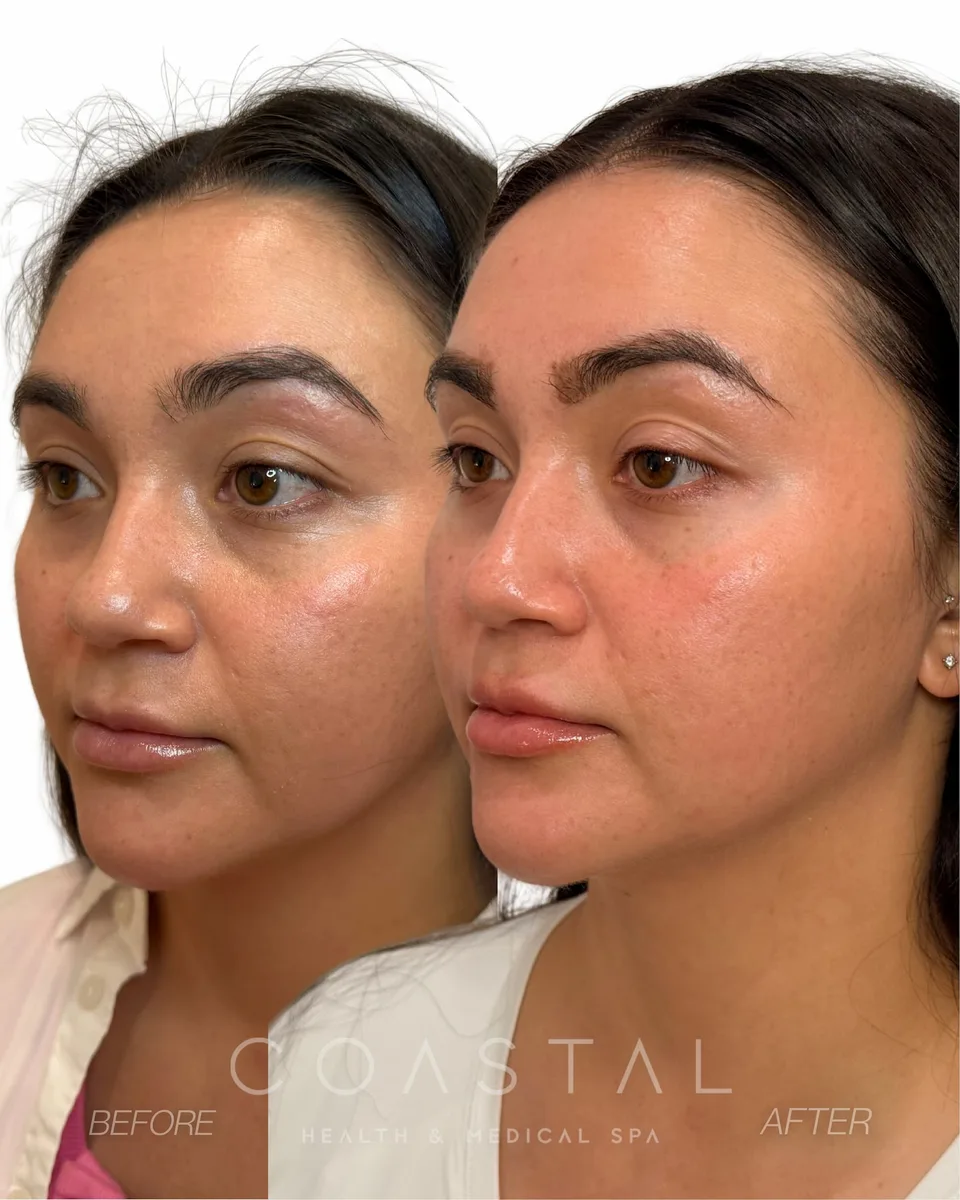
SkinPen microneedling results on a Coastal Health & Medical Spa patient. Individual results vary.
Everyone’s skin responds differently, and factors like age, skin condition, and overall health can influence your timeline. Some patients with resilient skin may see faster results, while others with more mature or damaged skin may need additional patience. For those considering complementary treatments to enhance their results, exploring options like lip filler aftercare can provide insights into comprehensive aesthetic care. By maintaining realistic expectations and following your provider’s aftercare instructions, you will be rewarded with beautiful, long-lasting improvements to your skin’s health and appearance.
Aftercare for Microneedling Variations
Standard SkinPen-style microneedling is the most common variant, but RF (radiofrequency) microneedling and microneedling with PRP are increasingly popular, and they each shift the recovery profile. Here is what changes.
Aftercare for RF (Radiofrequency) Microneedling
RF microneedling adds heat energy through the needles to deepen the collagen-stimulating effect. The trade-off is a slightly more intense recovery: redness can last 3–5 days instead of 2–4, swelling tends to be more pronounced, and you may notice tiny pinpoint marks where the needles entered the skin for up to a week. The aftercare playbook is the same as standard microneedling, just held a day or two longer at each phase. Expect to be back to normal social activities by day 5–6 rather than day 3–4. Sun protection is even more critical because the heat-induced inflammation increases pigmentation risk.
Aftercare for Microneedling with PRP
When microneedling is combined with platelet-rich plasma (PRP, sometimes called a vampire facial), the PRP is applied topically immediately after the needles create the channels, allowing the growth factors in your own blood plasma to penetrate. The aftercare is largely the same as standard microneedling, with one important addition: leave the PRP on your skin for as long as your provider directs, often 4–8 hours, and avoid washing your face during that window. Many providers recommend an extra-gentle hyaluronic acid serum on top of the PRP rather than disturbing it.
Aftercare for Body Microneedling (Stretch Marks, Scars, Décolleté)
Body areas like the abdomen, thighs, chest, and back tend to heal more slowly than the face because skin in these areas is thicker and circulation is generally lower. Expect redness and sensitivity to last a few days longer than facial recovery. Loose, breathable clothing is non-negotiable for the first 48 hours, since tight waistbands and bra straps over treated areas trap heat and bacteria. Avoid pools, hot tubs, and saunas for at least a week, and apply sunscreen religiously if any treated area will be exposed. Stretch mark and scar treatments often require more sessions than facial work, so consistency through a 6–12 month treatment plan matters more than any single session.
At-Home Rollers vs Professional SkinPen Aftercare
Aftercare advice online blurs two different things: a 0.25 mm dermaroller from a beauty counter and a professional SkinPen session. A home roller only reaches the surface, so redness lasts minutes and makeup is fine the next morning; SkinPen goes deeper and needs the full plan above. A home roller should never draw blood, and sunscreen is not optional after either one.
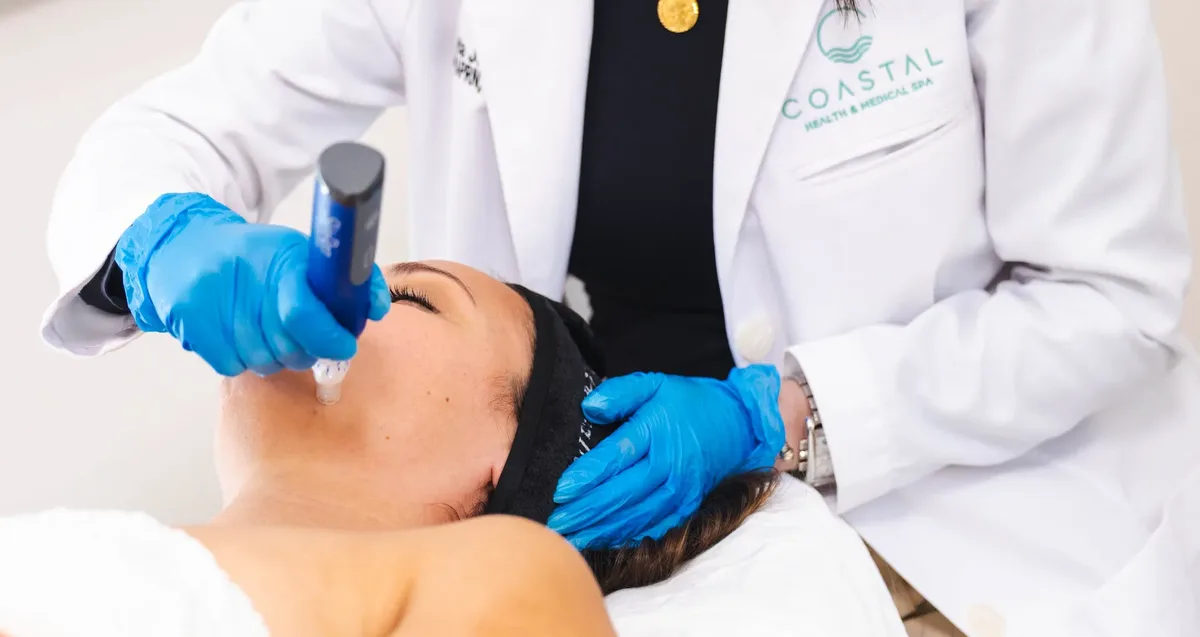
Professional SkinPen microneedling in Jacksonville
Maximizing Your Microneedling Results for Acne Scars
To get the most from your microneedling treatment, consider these additional tips:
- Plan your treatment timing: Schedule procedures when you can take 2–3 days off from social commitments
- Prepare your skin: Follow pre-treatment instructions, including avoiding certain products
- Maintain consistency: Most patients benefit from a series of 3–6 treatments spaced 4–6 weeks apart
- Invest in quality aftercare products: Use medical-grade skincare recommended by your provider. Investing in aftercare products that promote skin repair can enhance your results.
- Support your body’s natural healing process: Follow aftercare instructions carefully to help your skin recover and maximize the benefits of microneedling.
- Practice patience: Optimal results develop gradually over several weeks.
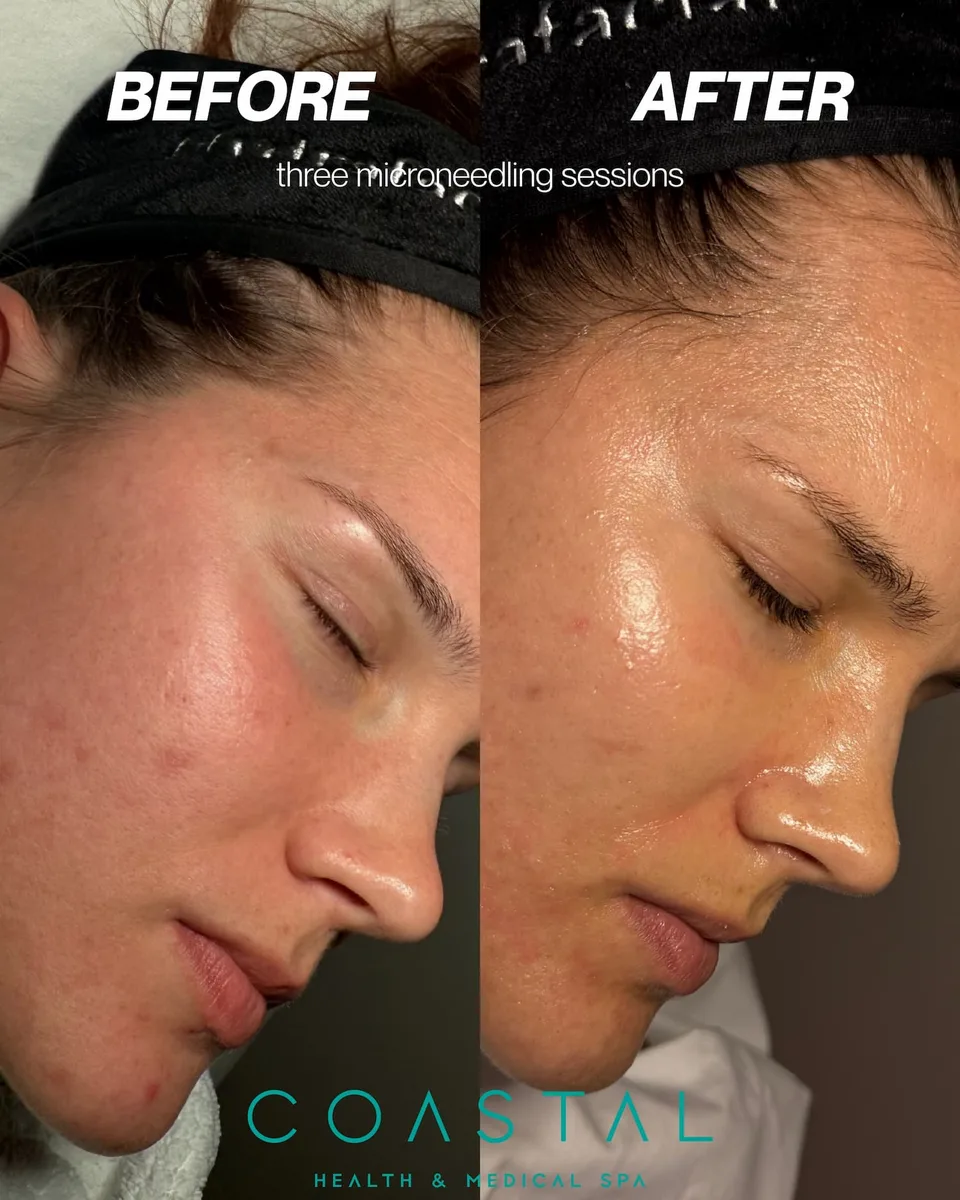
Three-session microneedling for acne scars result on a Coastal Health & Medical Spa patient. Individual results vary.
Combining Microneedling with Other Treatments
Your microneedling results don’t have to stop at the procedure itself. Aftercare is the perfect time to support and even enhance your skin’s recovery. Applying a hyaluronic acid serum post-treatment helps lock in hydration and encourages collagen production, giving your skin a plumper, more refreshed look. Once your skin has fully healed, complementary treatments such as chemical peels or laser therapy can be introduced to target deeper texture, pigmentation, or tone concerns. The key is timing. Your skin needs space to heal between treatments, so always follow the guidance of your skincare professional.
Microneedling Combined with Botox
When sequenced thoughtfully, microneedling and Botox can complement each other for results neither can achieve alone: microneedling improves texture and stimulates collagen, while Botox softens dynamic wrinkles by relaxing the underlying muscles. With the right aftercare and treatment plan, microneedling becomes part of a powerful long-term skin rejuvenation routine.
Microneedling Combined with Chemical Peels
Chemical peels are sometimes used in place of microneedling, or in combination with it, depending on your skin goals. If a chemical peel is part of your longer-term plan, the aftercare for chemical peels looks different from microneedling recovery, so it is worth reviewing both protocols before scheduling.
HydraFacial vs Microneedling: A Quick Look
HydraFacial gives instant glow with deep cleansing and hydration, while microneedling targets texture, fine lines, and scars by stimulating collagen. For a brief comparison and when to choose each (and whether you can do both), see our full guide: HydraFacial vs Microneedling: Which Is Better for Your Skin?
A Quick Note on Pre-Treatment Care
Aftercare starts before the appointment, and our guide on how to prepare for microneedling covers it in full. In the 24 hours leading up to your microneedling session, avoid excessive sun exposure, skip makeup the morning of, and steer clear of harsh skincare products like strong acids or exfoliants. Pause retinoids 3–5 days beforehand if your provider has not already given you a longer pause. Inform your practitioner about any medications you are taking, especially blood thinners, and disclose any history of cold sores or keloid scarring. Following these guidelines protects your skin and sets the foundation for optimal results.
Frequently Asked Questions: Microneedling Aftercare
Do and don’ts after microneedling?
Do cleanse with lukewarm water only for the first 24 hours, apply a hyaluronic acid serum and fragrance-free moisturizer, wear mineral SPF 30+, and keep your hands off your face. Don’t wear makeup for 24–48 hours, work out for 48 hours, use retinoids, vitamin C, or acids for 5–7 days, or pick at flaking.
What helps microneedling heal faster?
Hydration, sleep, and staying out of your skin’s way. Drink water, sleep with your head elevated on night one, skip alcohol and anti-inflammatories like ibuprofen for the first 24 hours, use a cool (not frozen) compress for warmth, eat enough protein, and change your pillowcase. Mineral sunscreen every day protects the result while it forms.
How will I look 2 days after microneedling?
By day 2, the sunburn-like redness has faded to a light pink that mineral makeup covers easily. You may see faint pinpoint marks where the needles entered and mild puffiness under the eyes. Skin feels tight and a little dry as flaking begins. Most patients are comfortable in public by this point.
What is the best thing to apply after microneedling?
A plain hyaluronic acid serum is the best product for the first 72 hours, followed by a fragrance-free, ceramide-rich moisturizer and mineral SPF 30+. If your provider sent you home with a post-procedure growth factor serum, use that as directed. Keep fragrance, acids, retinol, and high-strength vitamin C off your skin until day 5–7.
1. What will my skin look and feel like right after the treatment?
It’s normal for your skin to appear red and feel tight, similar to a mild sunburn. You might also experience some slight swelling and sensitivity. These effects are temporary and typically subside within 24 to 48 hours, per dermatologic surgery society guidance on microneedling.
2. How do I clean my face after the procedure?
For the first 24 hours, cleanse your face only with lukewarm water. Avoid using any cleansers, especially those with harsh chemicals or exfoliants. After 24 hours, you can use a gentle, hydrating, non-exfoliating cleanser recommended by your skincare professional. A day-by-day washing guide recommends the same approach for optimal healing.
3. When can I resume my normal skincare routine?
For the first 5–7 days, it is crucial to avoid harsh skincare products. This includes anything containing retinol, vitamin C, glycolic acid, or salicylic acid. Stick to gentle, hydrating products like a hyaluronic acid serum and a non-irritating moisturizer to support the healing process. A clinical microneedling overview emphasizes avoiding these active ingredients during the initial healing period.
4. When is it safe to wear makeup again after microneedling?
It is best to wait at least 24–48 hours before applying any makeup. If you need to wear makeup sooner, opt for mineral-based, non-comedogenic products and apply them with clean hands or brushes to minimize the risk of irritation and breakouts.
5. Do I really need to use sunscreen after microneedling?
Absolutely. Your skin will be more sensitive to the sun after treatment. Apply a broad-spectrum sunscreen with an SPF of 30 or higher every day. Avoid direct sun exposure for at least 5–7 days and wear a wide-brimmed hat for extra protection. A consumer overview of microneedling side effects notes that increased sensitivity to sunlight is one of the common side effects following treatment, making consistent sunscreen use a non-negotiable part of recovery.
6. Can I exercise after my microneedling treatment?
It is recommended to avoid strenuous exercise, saunas, steam rooms, and hot showers for at least 24–48 hours. Excessive sweating can introduce bacteria to your skin and cause irritation. Pools and hot tubs should be avoided for at least a week.
7. What foods and drinks should I avoid after microneedling?
To help reduce redness and inflammation, avoid spicy foods and alcohol for the first 24–48 hours after your treatment.
8. Is it normal for my skin to peel or flake?
Yes, light peeling or flaking is a normal part of the skin’s renewal process and may occur around days 3–5. It is important not to pick at your skin and let it shed naturally to avoid scarring. A systematic review of microneedling outcomes reports that scaling occurs in roughly 16% of patients as part of the natural healing process.
9. How long will it take to see results from microneedling?
While you may notice a healthy glow within a few days, the full benefits of microneedling, such as increased collagen production and improved skin texture, will become more apparent over the next 4–6 weeks. For optimal results, a series of 3–6 treatments spaced 4–6 weeks apart is often recommended. A university medical center overview supports this timeline for seeing complete results.
10. Who should not get microneedling?
Microneedling is not recommended for individuals with active skin infections (like cold sores or severe acne), certain skin conditions (such as psoriasis or eczema), or those who are immunocompromised. Patients undergoing chemotherapy, radiation therapy, or high-dose steroids should also avoid this treatment. Federal consumer guidance on microneedling devices advises against the procedure if you have conditions that affect your skin, such as eczema or diabetes, or if you have a weakened immune system.
11. What are the potential side effects of microneedling?
Common side effects are temporary and include redness, swelling, and tightness. Less common side effects can include bleeding, bruising, and peeling. In rare cases, more serious complications like infection, scarring, or changes in skin pigmentation can occur. The same systematic review of microneedling adverse events found that bleeding occurs in 20% of patients, scaling in 16%, crusting in 24%, swelling in 32%, and erythema in 32%, with most severe effects occurring immediately after the procedure and subsiding within one week.
12. When should I contact my skincare professional?
You should contact your provider if you experience any signs of infection (such as pus, extreme sensitivity, or fever), an allergic reaction to any post-care products, or severe redness, swelling, or pain that lasts longer than five days. Professional guidance on microneedling complications notes that intense pain, pus, excessive swelling, or prolonged redness may indicate an infection requiring immediate medical attention.
Get Professional Microneedling at Coastal Health and Medical Spa
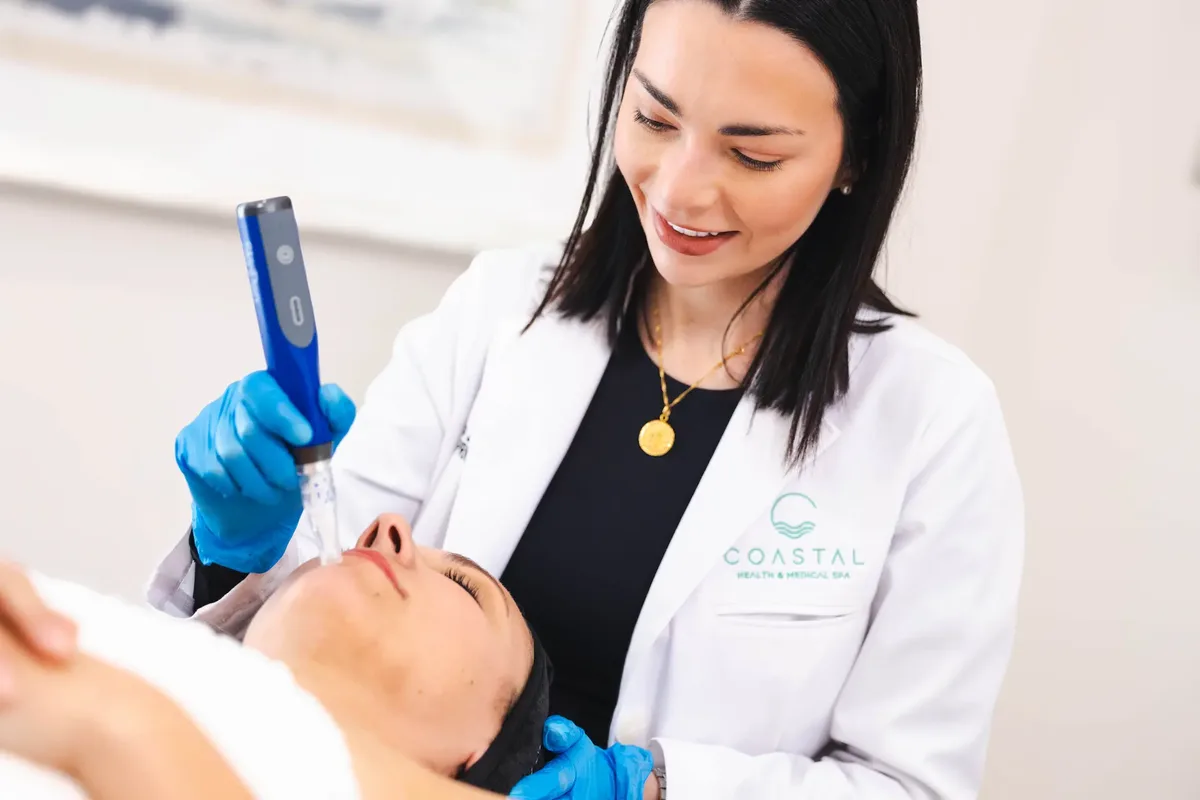
SkinPen microneedling at Coastal
At Coastal Health and Medical Spa, we understand that proper microneedling aftercare is just as important as the treatment itself. Our experienced Jacksonville, FL based team provides comprehensive pre and post-treatment guidance, ensuring you achieve the beautiful, radiant skin you deserve. We use state-of-the-art equipment and medical-grade products to deliver safe, effective results while minimizing downtime and maximizing your comfort throughout the entire process. Every SkinPen session is performed by Dr. Olivia, DNP, APRN, or Danielle Hancock, Licensed Aesthetician, and you leave with a written aftercare card in hand.
Determining if you are a good candidate for microneedling begins with a consultation with a skincare professional to assess your skin condition and concerns like acne scars, uneven tone, or fine lines. Microneedling is typically recommended for those with mild to moderate skin issues seeking a minimally invasive procedure. Individuals with active acne, very sensitive skin, or certain medical conditions may need alternative treatments. A personalized evaluation ensures the procedure is safe and effective for you.
Our personalized approach means we will create a customized treatment plan tailored to your unique skin concerns and goals. From your initial consultation through your complete recovery, we are here to support you every step of the way with expert guidance and premium aftercare products.
Ready to experience the transformative benefits of professional microneedling in Jacksonville? Get your free consultation today!
