Your chemical peel aftercare routine matters more than the peel itself. The chemical peel procedure is a cosmetic treatment that requires diligent aftercare for optimal results. That might sound dramatic, but the 7 to 14 days after treatment determine whether you walk away with luminous, even-toned skin or deal with prolonged redness and uneven healing. The peel does the heavy lifting underground, triggering controlled damage that forces your skin to rebuild. What you do on the surface either supports that process or sabotages it.
This guide breaks down exactly what to expect during recovery, how to care for your skin at each stage, and which mistakes to avoid. Whether you just had a light lunchtime peel or a deeper treatment targeting stubborn pigmentation, you’ll find a clear day-by-day roadmap below. No guesswork, no conflicting advice from five different websites.
What Happens to Your Skin After a Chemical Peel
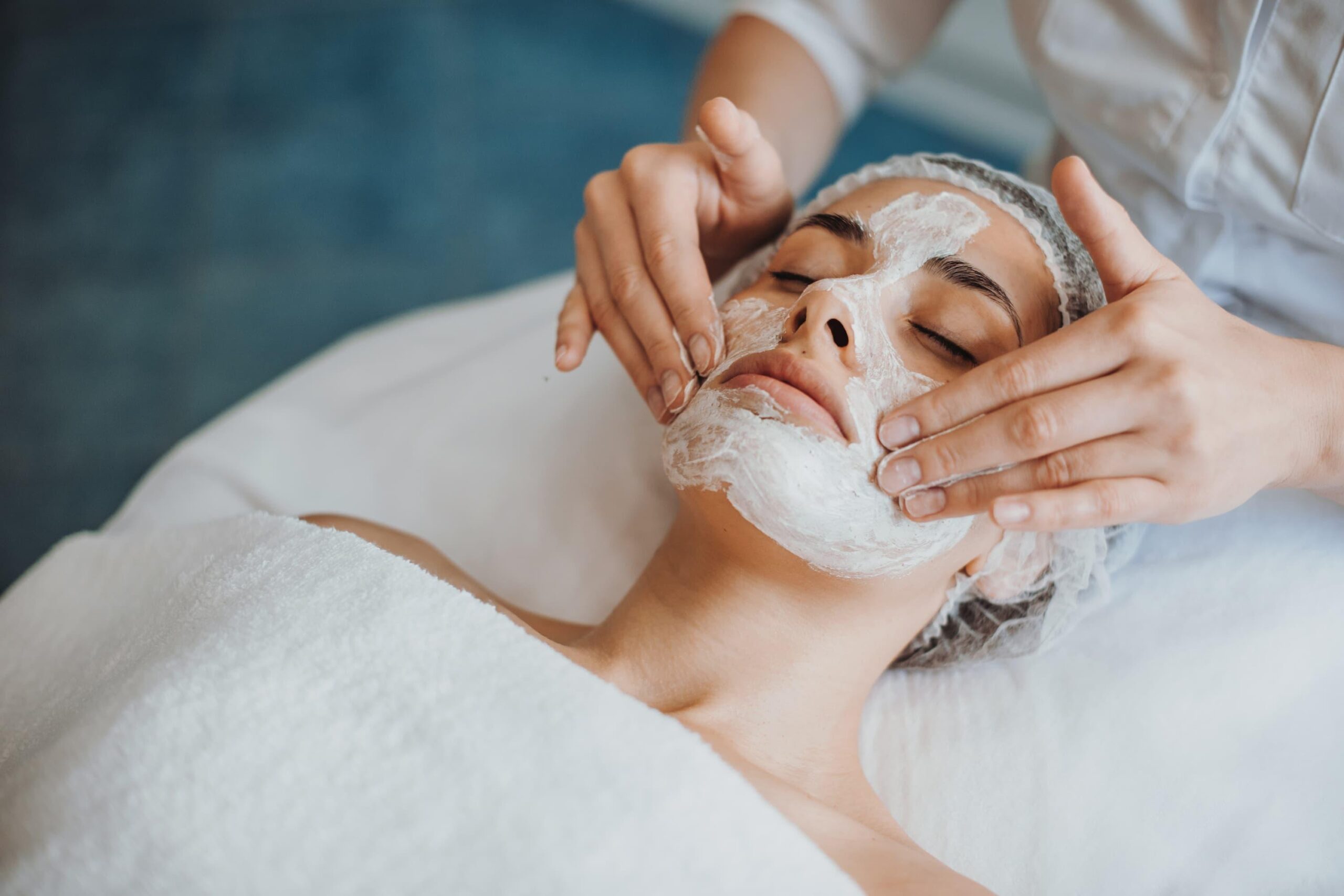
A chemical peel applies a controlled acid solution to your skin, dissolving the bonds between dead and damaged skin cells on the outer layer. This isn’t random destruction. It’s a precise signal that tells your body to accelerate cell turnover and ramp up collagen production in the deeper dermal layers.
In the first 24 to 48 hours, your skin enters an inflammatory phase. Blood flow increases to the treatment area, delivering growth factors and nutrients that kickstart the repair process. You might notice your skin looks flushed or feels warm to the touch. This is your immune system doing exactly what it should. After this, the actual peeling process begins as the outer layer of skin starts to shed, revealing new, healthy skin underneath.
Peeling Stages and Cell Renewal

Visible peeling typically begins between days 2 and 4, depending on peel depth. The old, damaged layer separates as fresh cells push upward from beneath. Lighter peels produce subtle flaking that resembles mild dryness, while medium-depth peels cause more noticeable sheets of skin to lift away. During this time, you may notice dryness and peeling skin as the outer layer sheds. The skin may feel tight and sensitive immediately after a chemical peel, and it is common to experience dryness and flaking as the outer layer sheds over the following days.
The temptation to help the process along by picking or pulling is real. Resist it. Prematurely removing skin that isn’t ready to detach can expose raw tissue beneath, leading to scarring or post-inflammatory hyperpigmentation. Interfering with the natural shedding can disrupt new cell growth and healthy cell growth. Let gravity and your gentle cleansing routine handle the shedding.
Normal Sensations During Chemical Peel Recovery
Knowing what’s normal prevents unnecessary panic. Your skin communicates loudly during recovery, and most of what it’s telling you is “I’m healing.”
During the first day, expect tightness and a sunburn-like sensation. Your skin may feel like it’s been stretched slightly, and the treatment area will likely appear pink or red. During this period, your skin is considered sensitive skin and requires extra gentle care to avoid irritation. This intensity depends on the peel type. A superficial peel feels like mild windburn, while a medium-depth peel produces more pronounced heat and sensitivity.
Days Two Through Seven
By days 2 and 3, the tightness usually gives way to itching as peeling begins. This is one of the most frustrating phases because your instinct is to scratch or exfoliate. Instead, cleanse your skin gently with cool water—avoid hot water, as it can increase irritation. When drying your face, do not rub; gently pat the skin dry. Never pick, peel, or prod at any loose skin, as this can cause irritation, scabbing, or even scarring. Apply a thick layer of moisturizer whenever the itch flares up. Cool (not cold) compresses also help.
Between days 4 and 7, peeling reaches its peak before tapering off. Some areas of your face may peel faster than others. The chin, jawline, and nose often lag behind the cheeks and forehead. Uneven peeling is completely normal and doesn’t indicate a problem with your treatment.
Chemical Peel Aftercare Differences by Peel Type
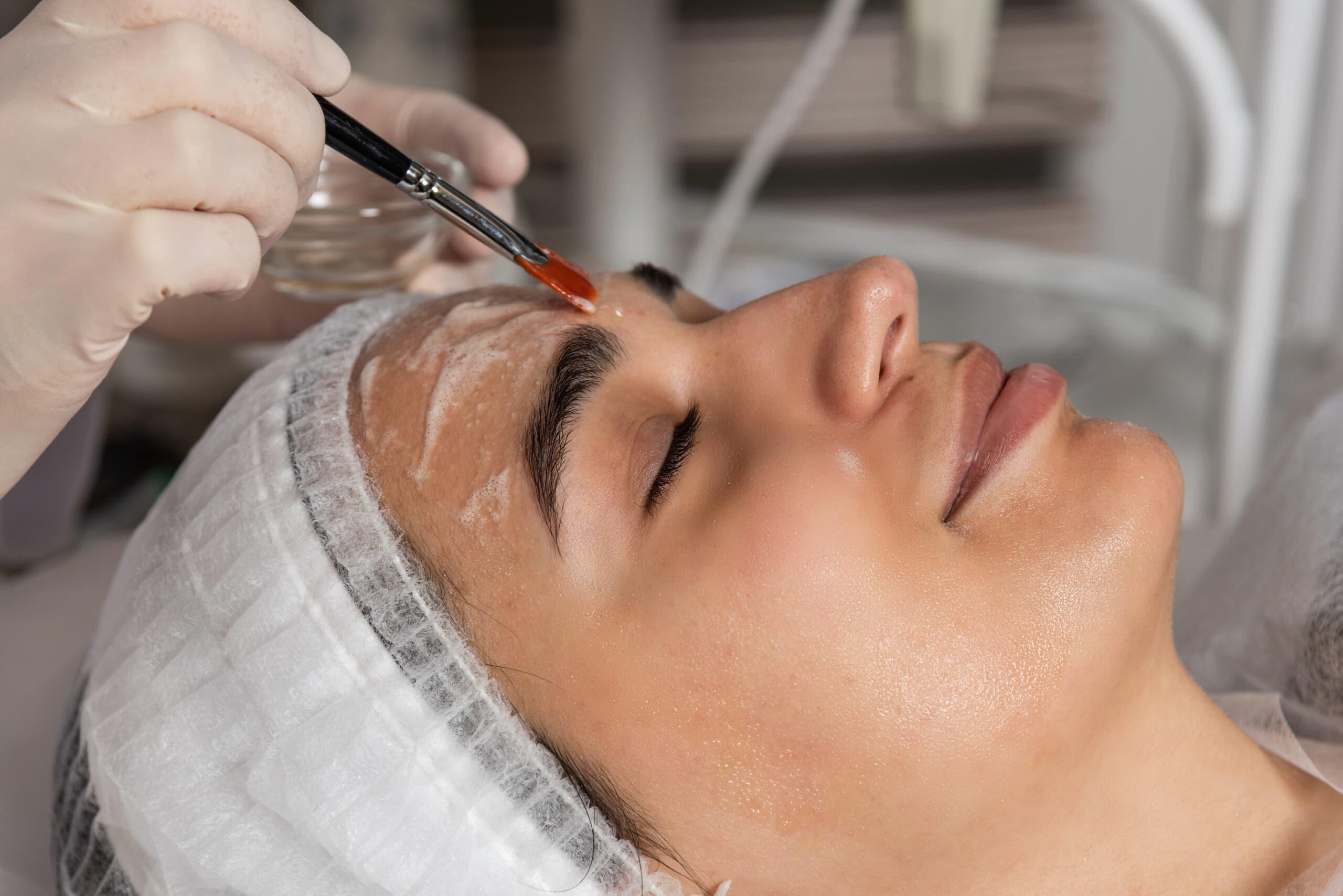
Not all peels demand the same recovery protocol. A superficial peel and a medium-depth treatment create different levels of controlled injury, which means your aftercare needs to match. Each chemical peel treatment requires a tailored aftercare and skincare treatment plan to ensure optimal healing and results. If you’re considering which option suits your skin concerns, understanding how to prepare for a chemical peel beforehand also sets the stage for smoother recovery.
ZO Stimulator Peel Recovery
The ZO Stimulator Peel is a lighter treatment often called a lunchtime peel because downtime is minimal. Most people experience mild redness for a few hours and light flaking that starts around day 2 or 3. You can typically return to normal activities immediately, though your skin will be more sensitive than usual.
Aftercare is straightforward: use a gentle, soap free cleanser containing natural oils or plant-based ingredients to maintain hydration and avoid stripping the skin’s natural oils, followed by a barrier-repair moisturizer and SPF 30 or higher. Many patients can resume light makeup within 24 hours as long as they’re using clean, mineral-based products. Active ingredients like retinoids and glycolic acid should wait at least 5 to 7 days.
Perfect Derma Peel Recovery Stages
The Perfect Derma Peel is a deep exfoliation treatment that penetrates deeper and produces more dramatic results, but it also requires more disciplined aftercare. Expect significant peeling starting around day 3, often lasting through day 7 or beyond. Your skin may darken before it peels, which looks alarming but signals that the treatment is working on deeper pigmentation.
This peel comes with specific post-treatment products, including a retinoid booster applied on the evening of treatment. It is crucial to follow your practitioner’s instructions and the included protocol closely. Avoid all other active serums until peeling has completely stopped and your provider gives the green light.
Day-by-Day Chemical Peel Aftercare Timeline
Having a structured plan removes the guesswork from recovery. During the first week, you’ll notice the actual peeling process begin, as your skin sheds to reveal new, healthy skin underneath. Here’s what your daily routine should look like, regardless of peel type, with notes on where the two diverge.
Day 1: The First 24 Hours
Leave your skin alone as much as possible. Don’t cleanse unless your provider specifically instructs you to. Avoid touching your face, and skip all skincare products except what was prescribed or recommended at your appointment. Your skin is at its most vulnerable right now.
For the Perfect Derma Peel, apply the provided retinoid towelette in the evening as directed. ZO Stimulator patients can gently cleanse with lukewarm water and apply a simple moisturizer if their skin feels tight.
Days 2–3: Early Peeling Phase
Begin gentle cleansing with a fragrance-free, sulfate-free cleanser. Use your fingertips only, and make sure to wash your face with cool or lukewarm water—avoid hot water, as it can irritate or damage your sensitive post-peel skin. Pat dry rather than rubbing, and immediately follow with moisturizer. Your AM routine at this stage is simple: cleanse, moisturize, apply mineral SPF. Your PM routine mirrors this without the sunscreen.
ZO Stimulator patients may see only minor flaking at this point. Perfect Derma Peel patients will notice their skin darkening and tightening, with peeling just beginning around the mouth and chin.
Days 4–7: Active Peeling
This is the “stay patient” phase. Peeling accelerates, and your skin may look patchy as some areas shed before others. During this stage, the outer layer of your skin is being shed, which is a normal part of the healing process. Keep moisturizing generously. Some patients find applying moisturizer 3 to 4 times daily helps manage tightness and reduces the urge to pick.
Providers consistently recommend a bland-skincare approach paired with high-SPF sun protection during active peeling, because fewer products and consistent photoprotection keep recovery predictable. The takeaway: keep it simple, keep it consistent, and don’t get creative with products during this window.
Week 2+: Renewal Phase
Most visible peeling has resolved by now. Fresh skin beneath is pink, smooth, and extremely sensitive to UV exposure, while new cell growth continues during this renewal phase. Continue your gentle routine and maintain rigorous sun protection. Around the two-week mark, ask your provider when you can reintroduce active ingredients like vitamin C serums and retinoids.
Why Your Skin Looks Worse Before It Gets Better
Around days 3 through 5, many patients panic because their skin looks darker, drier, or more uneven than before the peel. This is the single most common source of aftercare anxiety, and it’s almost always normal. The darkening means pigmented cells are rising to the surface so they can shed, and the dryness is a signal that the barrier is repairing underneath. Chemical peels can also help reduce the appearance of dark spots and improve overall skin texture by targeting hyperpigmentation and blemishes.
What’s normal during the “looks worse” phase:
- A visible “tan” or darkening of the treated area before peeling begins
- Flaky, leathery, or sheet-like skin separation
- Pink or red patches where new skin has been revealed
- Uneven peeling — chin and jawline commonly peel later than cheeks
- Mild itching, tightness, or a sunburn-like sensation
What’s NOT normal — call your provider:
- Pain that worsens after day 2 instead of improving
- Yellow or green discharge, crusting, or honey-colored oozing (possible infection)
- Blistering that spreads or fails to resolve in 24 hours
- Spreading rash, hives, or swelling around the eyes
- Sharply demarcated dark patches that appear rapidly after healing
The “looks worse” window typically resolves by day 7 to 10 for light peels and day 10 to 14 for medium-depth peels. Resist every urge to scrub or pick during this phase — it’s the biggest cause of post-peel scarring and new PIH.
Essential Do’s and Don’ts for Post-Peel Skin
These rules apply universally across peel types. Violating them doesn’t always cause visible damage, but it can silently compromise your results.
Do:
- Wash your hands before touching your face
- Use lukewarm water (never hot) for cleansing
- Apply moisturizer liberally and frequently
- Sleep on a clean pillowcase, ideally silk or satin to reduce friction
- Stay hydrated internally as well as topically
Don’t:
- Pick, peel, or scrub flaking skin
- Use retinoids, AHAs, BHAs, benzoyl peroxide, or physical exfoliants until cleared by your provider
- Apply fragranced products or essential oils to treated skin
- Work out intensely, use hot tubs, take hot showers, or visit saunas and steam rooms for at least 48 to 72 hours after your peel—heat and sweat can aggravate inflammation and cause irritation during recovery
Alcohol consumption and smoking also slow healing. Alcohol dehydrates skin from the inside out, while smoking restricts blood flow to the treatment area. Limiting both during the first week gives your skin the best shot at a clean recovery.
When Can I…? Post-Peel Timing at a Glance
Scattered timelines buried inside a day-by-day guide get hard to track. This table consolidates the most common “when can I” questions so you can find the answer quickly. Timing assumes a standard light-to-medium peel; deeper peels push each window later.
| Activity or Product | Earliest Safe Window |
|---|---|
| Wash your face (gentle cleanser) | 24 hours |
| Apply mineral moisturizer + SPF | 24 hours (or as directed) |
| Wear mineral makeup | 24–48 hours for light peels; 5–7 days for medium |
| Light exercise (walking) | 48 hours |
| Intense workouts, sauna, hot yoga | 5–7 days |
| Swim (pool, ocean, lake) | After peeling fully resolves (7–14 days) |
| Shave | After skin is no longer flaking (typically 7+ days) |
| Wax or use depilatory creams | 2–4 weeks |
| Reintroduce retinol / AHA / BHA | 10–14 days, with provider approval |
| Reintroduce vitamin C serum | 7–10 days once peeling has stopped |
| Direct sun exposure | Avoid fully for 2 weeks; SPF daily for 8+ weeks |
| Schedule your next peel | 4–6 weeks (light) / 3–6 months (medium) |
Sun Protection: The Non-Negotiable Step in Chemical Peel Aftercare
If you follow only one piece of advice from this entire guide, make it this: wear a broad spectrum sunscreen every single day during recovery and for at least a month afterward to protect against both UVA and UVB rays. Your freshly revealed skin has virtually no built-in UV defense. Even 15 minutes of unprotected sun exposure can trigger hyperpigmentation that’s harder to treat than what your peel just corrected.
Use a broad spectrum mineral sunscreen (SPF 30+) daily, even indoors, after a peel to protect vulnerable skin from UV rays, including both UVA and UVB rays. Additionally, wearing a hat and avoiding direct sun exposure is strongly advised during the recovery phase to further shield your sensitive skin.
Physical vs. Chemical Sunscreen After a Peel
Mineral (physical) sunscreens containing zinc oxide or titanium dioxide sit on top of the skin and deflect UV rays. Chemical sunscreens absorb into the skin and convert UV energy to heat. During the first two weeks post-peel, mineral sunscreen is the safer choice because it doesn’t require absorption into compromised skin and causes less irritation.
Apply SPF 30 or higher every morning, and reapply every two hours if you’re outdoors. Patients who target stubborn hyperpigmentation with chemical peels especially need to take this seriously, since UV exposure is the fastest way to undo pigment correction. A wide-brimmed hat adds another layer of defense on sunny Jacksonville days.
Product Recommendations for Post-Peel Recovery
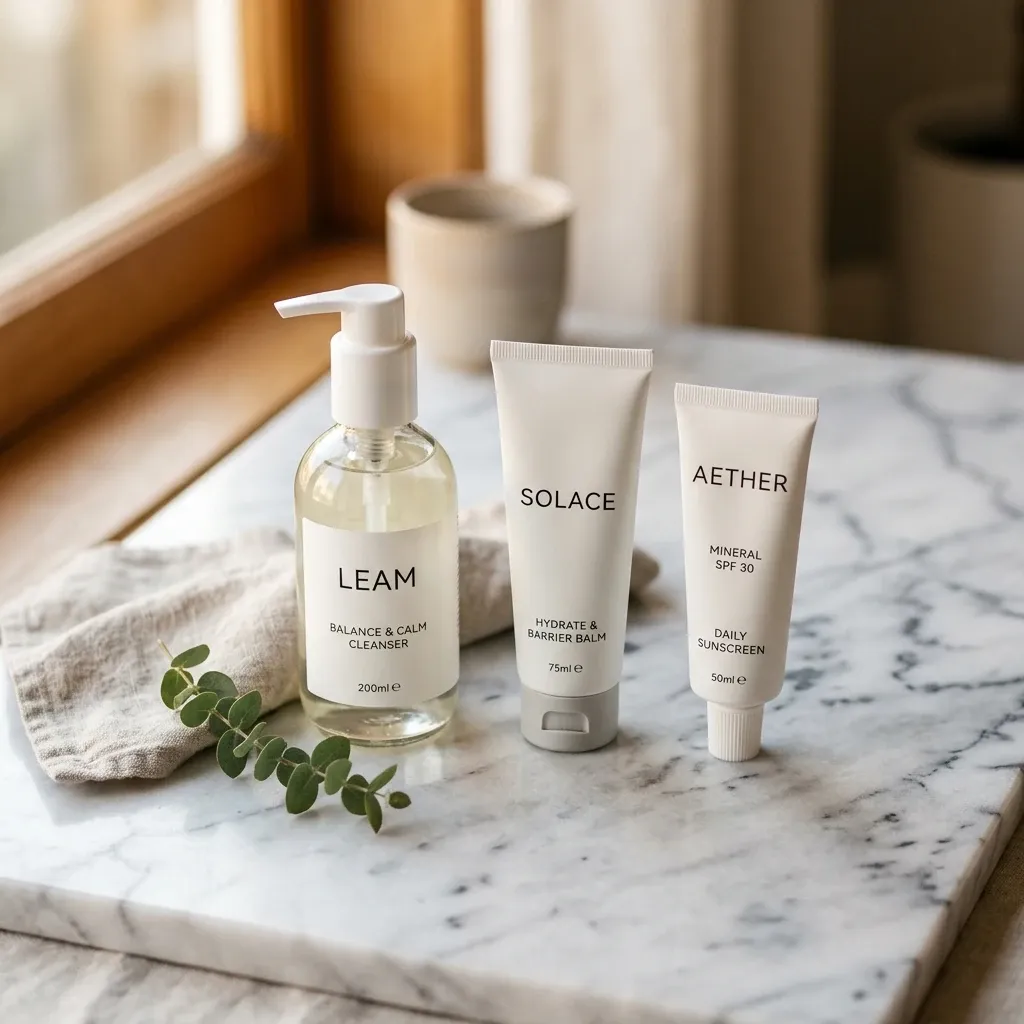
You don’t need an elaborate lineup. In fact, fewer products mean fewer chances for irritation. Focus on three categories during the active healing window.
Cleanser: Look for a cream or milk-based formula labeled “gentle,” “fragrance-free,” and “sulfate-free.” Avoid foaming cleansers, micellar waters with alcohol, and anything marketed as “deep cleaning.” Your skin can’t handle aggressive surfactants right now.
Moisturizer: Ceramide-rich formulas are your best friend. Ceramides mirror the lipids naturally found in your skin barrier and help rebuild the protective layer that peeling disrupts. Hyaluronic acid is another winner for pulling moisture into parched skin. Avoid moisturizers containing retinol, alpha hydroxy acids, or added fragrance.
SPF: A mineral sunscreen with at least SPF 30 that contains zinc oxide is ideal. Tinted mineral sunscreens offer the added benefit of visible light protection, which matters for hyperpigmentation-prone skin. Keep a travel-size tube in your bag for midday reapplication.
Potential Side Effects and How to Manage Them
Most side effects are mild and self-resolving. However, it is common to notice dryness as the skin heals, along with other symptoms. Knowing how to manage them keeps you comfortable and prevents you from reaching for products that could make things worse.
Persistent redness beyond the expected timeline can sometimes indicate irritation from a product you’ve introduced too early. Strip your routine back to cleanser, moisturizer, and SPF only. If redness worsens after 48 hours of simplified care, contact your provider.
Itching responds well to a thick application of a plain moisturizer. Some patients get relief from refrigerating their moisturizer before applying it. Over-the-counter hydrocortisone cream (1%) can help in a pinch, but check with your provider before using it on freshly peeled skin.
Red Flags That Require Professional Attention
Contact your provider if you experience any of the following:
- Oozing, crusting, or yellow-green discharge (possible infection)
- Blistering or open sores that don’t improve within 24 hours
- Severe swelling, especially around the eyes
- Hives or widespread rash beyond the treatment area (allergic reaction)
- Pain that increases rather than decreases after day 2
These complications are uncommon, especially with professional-grade treatments administered by experienced providers. But catching them early makes a significant difference in outcomes.
Long-Term Skincare Routine After Your Peel
Once your skin has fully healed (typically 2 to 4 weeks depending on peel depth), it’s time to build a maintenance routine that protects and extends your results by supporting the healthy turnover of skin cells. The glow you see after recovery isn’t permanent without ongoing care.
Reintroducing Active Ingredients Gradually
Start with vitamin C serum in the morning, which provides antioxidant protection and supports ongoing brightening. After one week of tolerance, add a retinoid at night, beginning with the lowest concentration you have and using it every other night before building to nightly use. Rushing this reintroduction is one of the most common mistakes that leads to rebound irritation.
A well-rounded long-term routine includes a gentle cleanser, antioxidant serum (AM), moisturizer, SPF (AM), and retinoid (PM). Choosing medical-grade skincare for each of these steps helps protect and extend your peel results at home. Patients dealing with melasma or deep pigmentation may benefit from adding a tyrosinase inhibitor like arbutin or tranexamic acid under provider guidance.
Complementary Treatments to Extend Your Glow
Chemical peels deliver excellent standalone results, but pairing them with complementary treatments creates a compounding effect. Microneedling stimulates collagen at a deeper level than most peels reach, making it a strong follow-up 4 to 6 weeks after your peel has healed. For maintenance between peels, monthly hydrafacials keep pores clear and hydration levels optimal without causing irritation. A brightening facial is another strong pairing for patients whose primary concern is uneven tone or lingering pigmentation, delivering targeted actives without the peeling phase.
Most providers recommend spacing chemical peels 4 to 6 weeks apart for superficial treatments and 3 to 6 months apart for medium-depth peels. Your provider at Coastal Health & Medical Spa can build a treatment calendar based on your specific skin goals, whether that’s tackling acne scarring, sun damage, or overall texture improvement.
Your Best Skin Starts with Smart Aftercare

Chemical peel aftercare isn’t complicated, but it does require consistency and patience. Stick with gentle products, protect your skin from the sun like your results depend on it (they do), and resist every urge to speed up the peeling process. The fresh, glowing skin underneath is worth the wait.
If you’re ready for a chemical peel or have questions about your recovery, the team at Coastal Health & Medical Spa in Jacksonville, FL provides personalized guidance at every step. From selecting the right peel for your skin type to building a long-term maintenance plan, we’re here to help you get results that last. Schedule your consultation today and take the first step toward clearer, more radiant skin.
Frequently Asked Questions
Q: What are the worst days of a chemical peel?
A: Days 3 through 5 are typically the most uncomfortable phase for most patients because peeling is at its peak, the skin feels tight and itchy, and the treated area often looks darker than baseline. For deeper peels, day 4 through 7 can feel prolonged, with visible sheet-like shedding around the mouth and chin lagging behind the cheeks.
Q: What is the best aftercare for a chemical peel?
A: The best aftercare is simple, consistent, and barrier-focused: a fragrance-free gentle cleanser, a ceramide-rich moisturizer applied frequently, and broad-spectrum mineral SPF 30 or higher every morning. Avoid retinoids, AHAs, scrubs, heat, and picking until peeling fully resolves and your provider clears you to reintroduce actives.
Q: How many days does it take to heal after a chemical peel?
A: Light peels heal in about 3 to 5 days, medium-depth peels in 7 to 14 days, and deep peels can take 2 to 4 weeks for full resolution of redness and peeling. Pink undertones can linger longer for medium and deep peels, so complete skin normalization may take up to 6 weeks depending on peel depth and your skin type.
Q: What helps chemical peels heal faster?
A: Three habits speed up healing: apply a ceramide or occlusive moisturizer multiple times a day, wear broad-spectrum mineral SPF without skipping, and leave the skin alone (no picking, scrubbing, or new actives). Staying hydrated, avoiding alcohol and smoking, and skipping sweaty workouts for 48 to 72 hours also measurably shorten recovery.
Q: Can I get a chemical peel if I have a history of cold sores?
A: Yes, but you should tell your provider in advance because facial peels can trigger a flare in people prone to HSV-1. Your clinician may prescribe an antiviral medication as a preventive step and adjust timing around any active outbreak.
Q: When is it safe to shave, wax, or use hair removal creams after a chemical peel?
A: Wait until your skin is fully calm and no longer sensitive, then start with the gentlest option, typically shaving. Waxing and depilatory creams can be more irritating, so many providers recommend postponing them longer and confirming timing at your follow-up.
Q: How should I plan a chemical peel if I have an upcoming event or photoshoot?
A: Schedule your peel with a buffer that accounts for potential extended peeling or residual pinkness, which can vary by individual. If timing is tight, ask your provider whether a milder peel or an alternative treatment is a better fit for your deadline.
Q: Are chemical peels safe for darker skin tones, and how can I reduce the risk of discoloration?
A: Many peels can be performed safely on deeper skin tones, but peel selection and pre, and post-care planning are especially important to minimize uneven pigment changes. Choose an experienced provider who can tailor peel depth, prep products, and follow-up based on your Fitzpatrick skin type and pigment history.
Q: Should I stop prescription topicals like tretinoin or hydroquinone before my peel?
A: Possibly, but the right timing depends on your prescription strength, skin sensitivity, and peel type. Ask your provider for a personalized stop, and restart plan rather than pausing or continuing on your own.
Q: What should I do if I need to be outdoors for work during chemical peel recovery?
A: Use a layered sun strategy: mineral SPF, protective clothing, and seeking shade whenever possible, plus more frequent reapplication if you are sweating or in direct light. If consistent protection is not realistic, consider scheduling your peel during a lower exposure week.
Q: Can I swim in a pool or the ocean after a chemical peel?
A: It is best to avoid swimming until your skin barrier has recovered because chlorine, saltwater, and sun exposure can increase irritation and prolong healing. If you must swim, confirm clearance with your provider and prioritize water-resistant mineral SPF and immediate gentle cleansing afterward.
