A brightening facial won’t change your natural skin tone. That’s the first thing worth clearing up, because the confusion between “brightening” and “whitening” keeps people from trying a treatment that could genuinely transform how their skin looks and feels. What a brightening facial actually does is target dullness, uneven patches, and dark spots to reveal the healthy radiance your skin already has underneath.
If you’ve been staring at your reflection wondering why your complexion looks flat despite a solid skincare routine, you’re not alone. Sun exposure, hormonal shifts, post-acne marks, and even everyday stress can leave skin looking tired and uneven. Brightening facials address that tired look with gentle, non-irritating treatments that improve overall skin vitality, reduce dullness, and boost radiance through increased circulation. This guide breaks down exactly how brightening facials work, what happens during the treatment at Coastal, and how to know if one belongs in your skincare plan.
What Is a Brightening Facial?
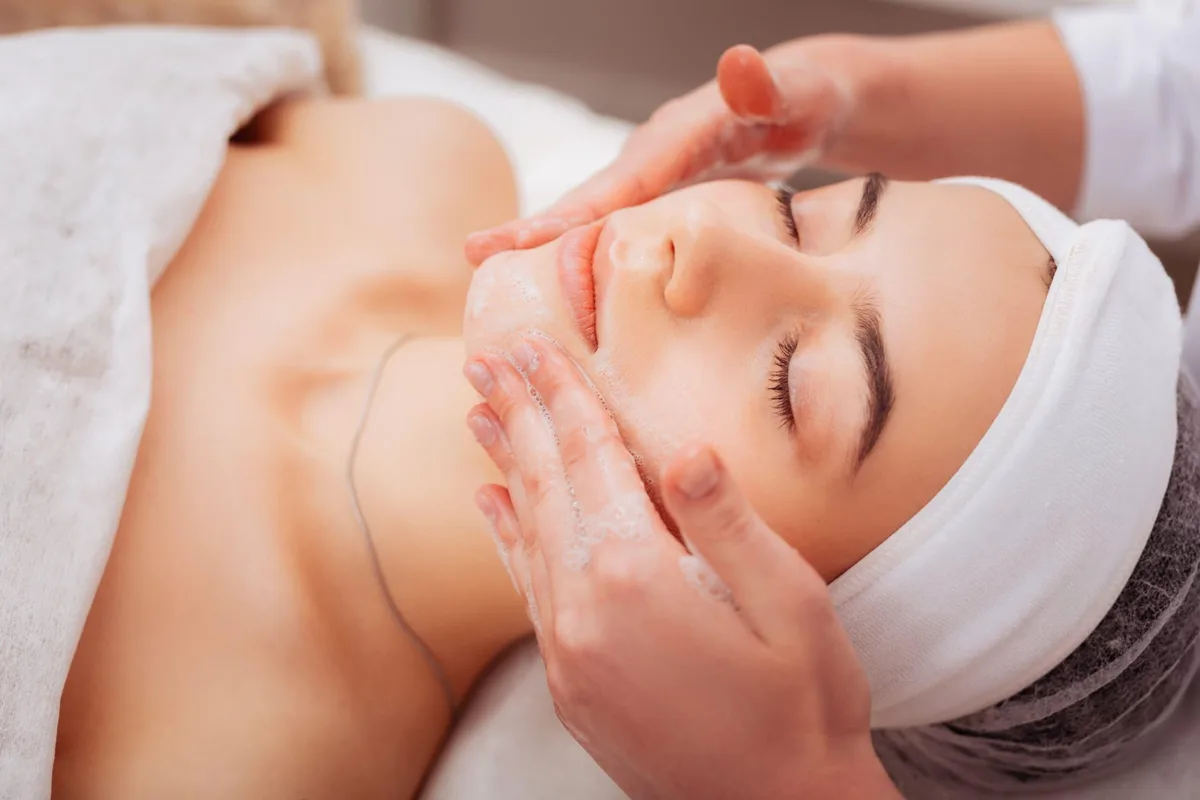
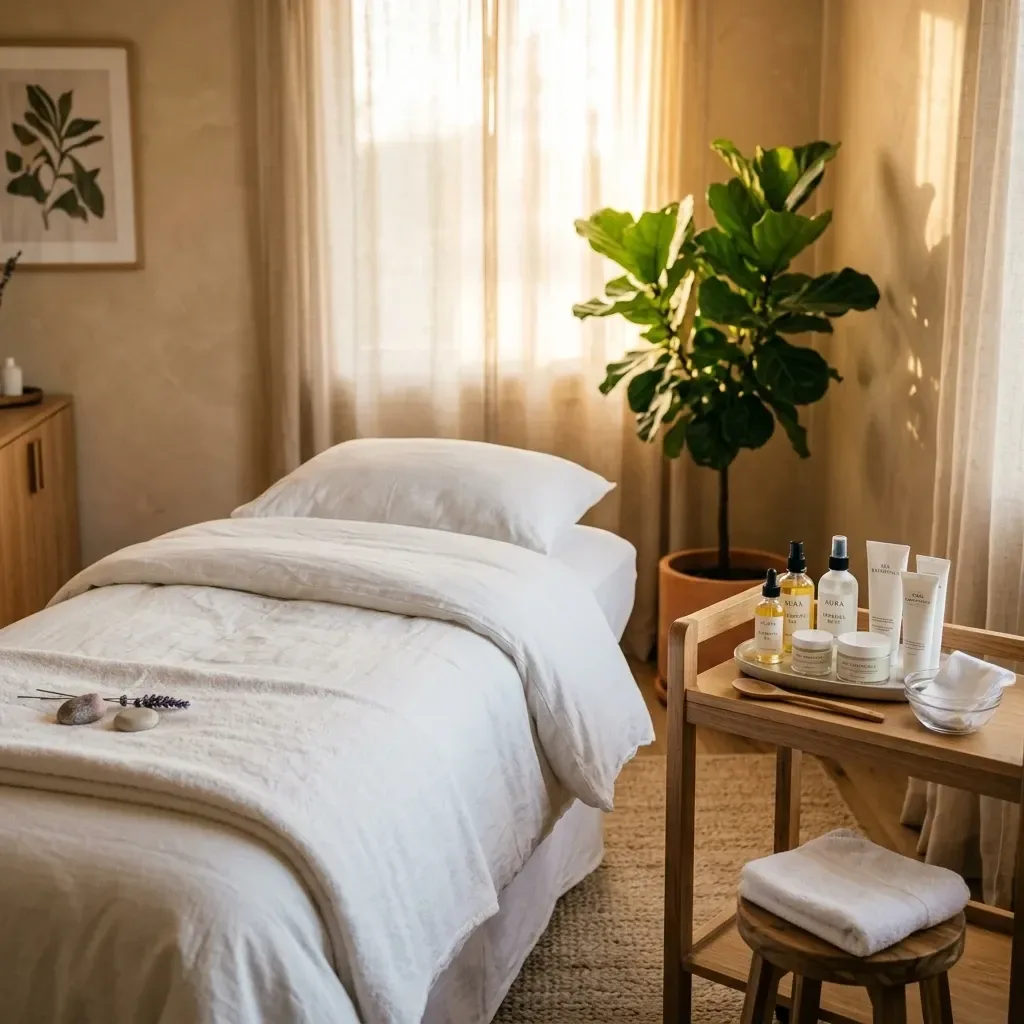
The deep cleanse is step one of every brightening facial in Jacksonville.
A brightening facial is a professional treatment designed to improve skin luminosity, reduce hyperpigmentation, and even out your overall complexion. As a type of facial treatment, brightening facials not only target dullness and discoloration but can also provide additional benefits such as skin detoxification, improved circulation, and anti-aging effects.
Think of a standard facial as general maintenance. A brightening facial is more like a targeted intervention. Your aesthetician selects products based on your specific discoloration patterns, skin tone, sensitivity level, and skin type to deliver visible results that a generic facial simply can’t match.
Is a Brightening Facial the Same as a Whitening Facial?
No, and the difference matters enough to say plainly: brightening facials do not bleach or lighten your natural skin color. “Brightening” refers to restoring clarity and evenness by reducing excess pigmentation from sun damage, inflammation, or hormonal changes. “Whitening” implies altering your baseline skin tone, which is a completely different category of treatment and not what reputable providers offer.
The goal is your best complexion, not a different one. When done correctly, a brightening facial enhances the skin you already have by removing the dull, uneven layer that hides its natural glow. If a provider anywhere promises to make your skin several shades lighter, that is a red flag, not a brightening facial.
How Brightening Facials Target Dark Spots and Discoloration
Hyperpigmentation is one of the most common reasons people seek out brightening facials, and it’s also one of the most misunderstood skin concerns. Dark spots form when your skin produces excess melanin in response to triggers like UV exposure, acne-related inflammation, or hormonal fluctuations (as with melasma). Many people turn to brightening facials for targeting dark spots and uneven pigmentation, aiming to achieve a more uniform and radiant complexion. A single brightening facial won’t undo years of sun damage, but a strategic series of treatments can make a real difference.
The treatment works on multiple levels. Exfoliating agents remove the outermost layer of pigmented dead skin cells, while active serums penetrate deeper to interrupt the melanin production cycle. This dual approach is what separates professional brightening facials from the vitamin C serum sitting on your bathroom shelf. These treatments are effective at fading dark spots and helping to even out skin tone. Niacinamide, or vitamin B3, is often included for its ability to improve skin elasticity, reduce inflammation, and enhance overall skin brightness. Licorice extract is commonly used for its gentle ability to lighten dark spots and even out skin tone. Alpha hydroxy acids (AHAs) are also frequently included to exfoliate dead skin cells, promoting a smoother and more radiant complexion.
What Results Actually Look Like Over Time
Immediately after your first session, expect a noticeable “lit from within” quality. Your skin will look fresher and feel smoother, though any redness from exfoliation typically fades within a few hours.
By one week, the real shift starts. Dead skin cells continue shedding, and the active ingredients keep working beneath the surface. Most clients notice their dark spots appear lighter and their overall tone looks more uniform. After a series of treatments spaced a few weeks apart, the cumulative results become significant. Stubborn sun spots soften, post-acne marks fade, and that flat, tired look gives way to genuine radiance.
Patience matters here. Anyone promising overnight transformation is overselling. Meaningful pigmentation correction takes consistent treatment and time. For deeper sun damage and stubborn pigment, a more intensive resurfacing treatment like CO2 laser resurfacing in Jacksonville can deliver faster, more dramatic change.
Types of Brightening Facials
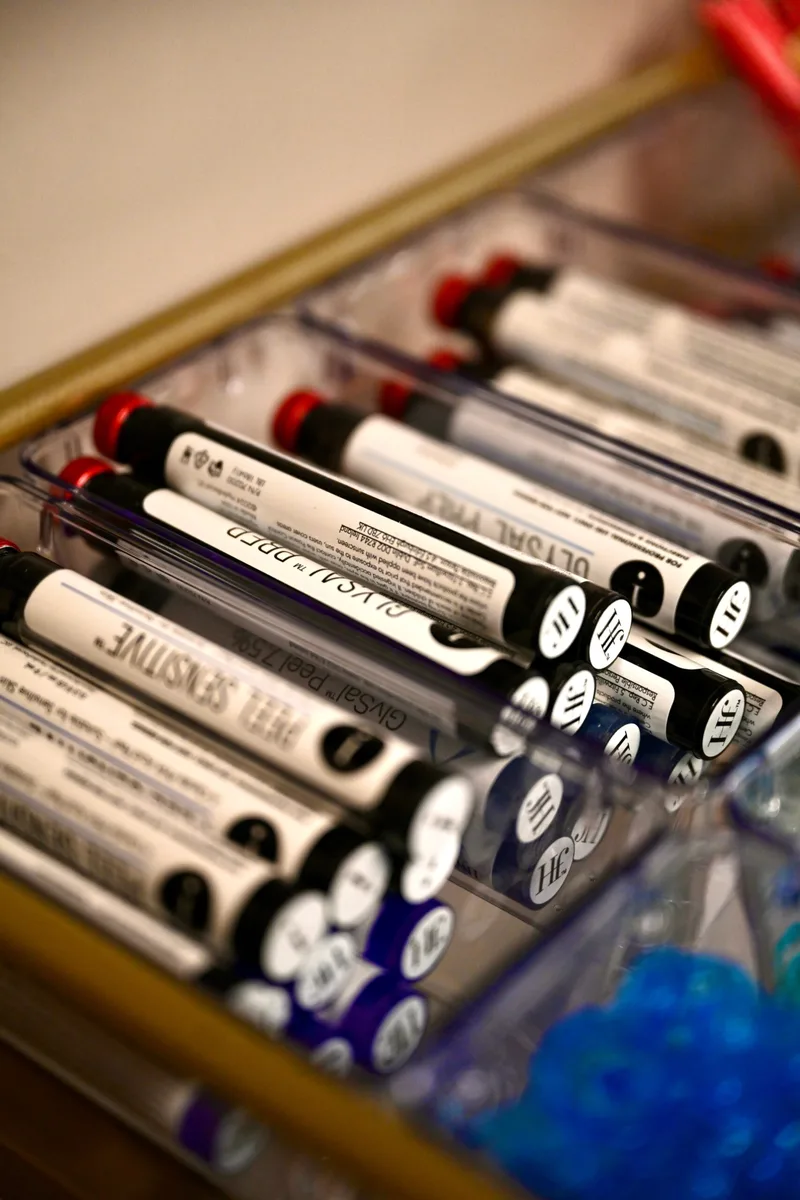
Professional peel supplies in Coastal’s aesthetics studio. See our chemical peels in Jacksonville.
“Brightening facial” isn’t a single protocol. It’s a category of treatments that can use very different mechanisms to reach the same goal. Different types of brightening facials use various brightening agents and key ingredients, such as vitamin C, niacinamide, AHAs, and licorice extract, to enhance radiance, even skin tone, and reduce pigmentation. Some facials include brightening masks as part of the process. Understanding the main types, and considering personalized treatments tailored to your specific skin type and concern, helps you pick the one that suits you best.
Vitamin C Infusion Facial
Heavy on antioxidant serums and often combined with gentle exfoliation, this type is built around stabilized vitamin C to neutralize free radicals, inhibit melanin production, and deliver an immediate glow. Best for dull skin, early sun damage, and patients who want a low-downtime option.
Enzyme Peel Brightening Facial
Uses fruit enzymes (papaya, pumpkin, pineapple) instead of acids to gently dissolve dead skin cells. Best for sensitive or reactive skin that can’t tolerate glycolic or lactic acid, and a strong option for darker skin tones where stronger exfoliation carries more PIH risk.
Microdermabrasion-Based Brightening Facial
Combines physical exfoliation (a crystal or diamond-tip wand) with brightening serums and masks. Best for thicker skin with stubborn surface dullness, blackheads, or rough texture alongside uneven tone.
LED Light Therapy Brightening Facial
Layers red, amber, or blue LED wavelengths on top of a brightening serum protocol. Light therapy supports collagen and reduces inflammation while the topical actives work. Best as a final step after exfoliation or as a standalone gentle session for reactive skin.
Chemical-Peel Style Brightening Facial
Incorporates a mild glycolic, lactic, or kojic acid peel alongside brightening actives for a more aggressive correction. These peels stimulate cell turnover, helping to reveal fresher, more even skin. Best for moderate hyperpigmentation, melasma (with provider guidance), and patients who can accept 1 to 3 days of light flaking. Coastal’s version pairs dermaplaning with the superficial ZO Stimulator Peel, which is why it delivers a peel-level glow with no downtime.
The Science Behind Brightening: Ingredients That Deliver
Not all brightening products are created equal. Professional-grade facials use higher concentrations of proven actives than anything available over the counter, often featuring ingredients like vitamin C as key components. Here’s what to look for and why each ingredient earns its place in the treatment.
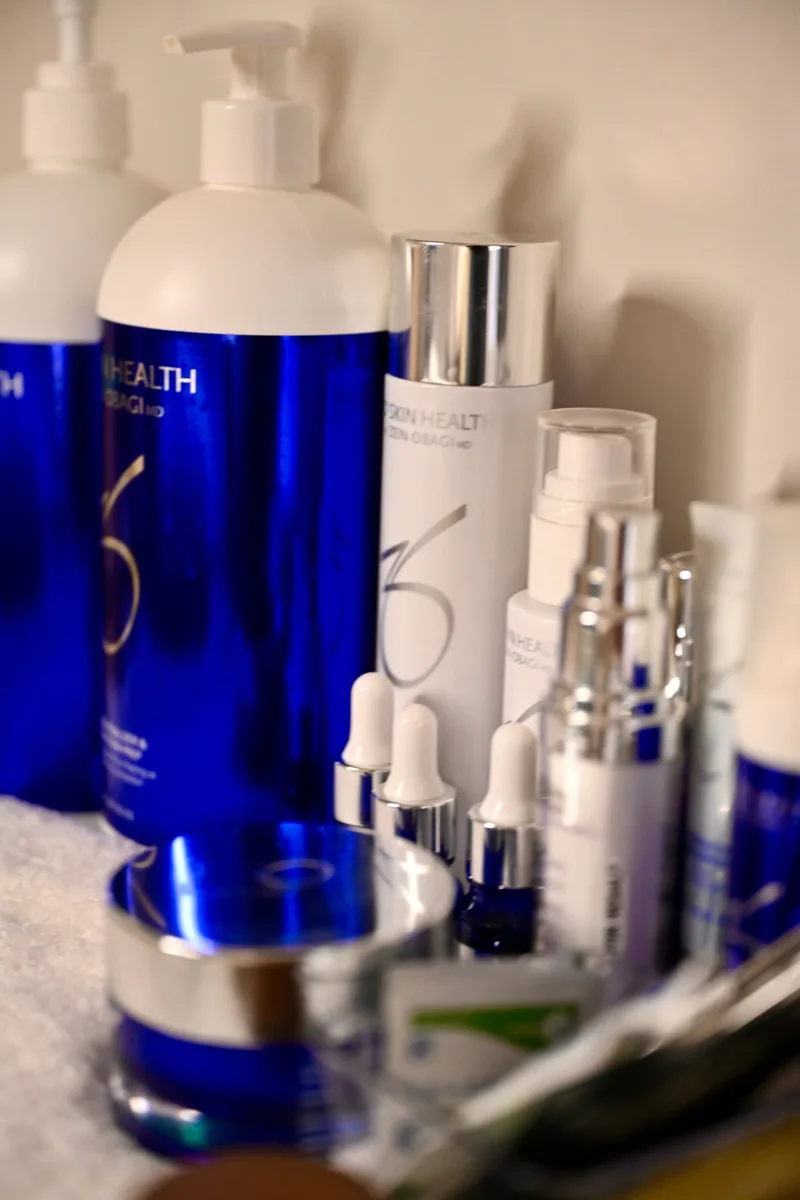
The ZO shelf in Coastal’s studio. Browse ZO Skin Health products.
Vitamin C is the backbone of most brightening protocols. As a potent antioxidant, it neutralizes free radical damage from UV exposure and inhibits tyrosinase, the enzyme responsible for melanin production. Brightening treatments typically use ingredients like vitamin C and niacinamide to enhance skin luminosity, while whitening treatments often include stronger agents like kojic acid and arbutin to lighten specific areas of discoloration. Niacinamide (vitamin B3) works differently. It prevents melanin from reaching the skin’s surface, which makes it especially effective for overall tone correction rather than individual spot treatment.
Alpha hydroxy acids (AHAs) like glycolic and lactic acid handle the exfoliation piece. They dissolve the bonds between dead skin cells, accelerating turnover so fresher, more evenly pigmented skin surfaces faster. Kojic acid, derived from fungi, directly suppresses melanin synthesis and works particularly well alongside vitamin C for compounded results.
Peptide brighteners are the newer category. ZO Brightalive, the serum used in Coastal’s brightening facial, is built on peptide technology that targets discoloration at its source rather than bleaching it, which is what makes it suitable for a wide range of skin tones and for clients who want to avoid hydroquinone.
Hyaluronic acid is often included in brightening facials for its hydrating and plumping properties, helping to boost skin moisture, reduce the appearance of fine lines, and enhance overall glow. Deep hydration from such ingredients infuses the skin with moisture, maintaining a healthy skin barrier and supporting the effectiveness of active ingredients.
Certain treatments and ingredients also stimulate collagen production, which improves skin elasticity, reduces signs of aging, and contributes to a youthful, radiant complexion. Additionally, soothing ingredients like aloe are often added to formulations to reduce irritation and support sensitive or redness-prone skin, enhancing comfort during and after the treatment.
Two ingredients worth noting that many guides overlook: tranexamic acid has become increasingly popular for melasma specifically, and azelaic acid pulls double duty by addressing both pigmentation and inflammation. Your provider should select the combination that matches your exact concerns rather than applying a one-size-fits-all formula.
What Coastal’s Brightening Facial Includes, Step by Step
Every brightening facial at Coastal starts with a skin assessment. Danielle Hancock, Licensed Aesthetician and ZO Skin Health Expert Certified, checks pigmentation, skin type, and sensitivity, then sets peel strength and serum. The visit runs about 60 minutes with no downtime:
- Deep cleanse. Danielle thoroughly removes makeup, sunscreen, surface oils, and impurities that regular washing may not fully eliminate. Clean skin absorbs active ingredients significantly better, so nothing that follows is wasted.
- Dermaplaning. A sterile blade gently exfoliates the top layer of dead skin and removes fine vellus hair (peach fuzz), creating a perfectly smooth surface. Dermaplaning also clears the path so the peel and serum penetrate evenly instead of sitting on top of dead cells.
- ZO Stimulator Peel. This superficial peel dissolves dead skin cells, stimulates collagen, and begins the brightening process. You may feel a slight tingling. Unlike a medium-depth peel, it does not cause days of visible flaking.
- ZO Brightalive serum and aloe mask. This is the powerhouse step. The peptide-based ZO Brightalive serum is applied to target pigmentation, then a soothing aloe mask calms, hydrates, and reduces any temporary redness from the peel.
- Customized finishing products with SPF. Danielle locks everything in with a hydrating moisturizer and a broad-spectrum sunscreen, because freshly exfoliated skin is more vulnerable to UV damage, and skipping sun protection would undermine everything you just paid for. You leave with simple aftercare instructions to maintain your results at home.
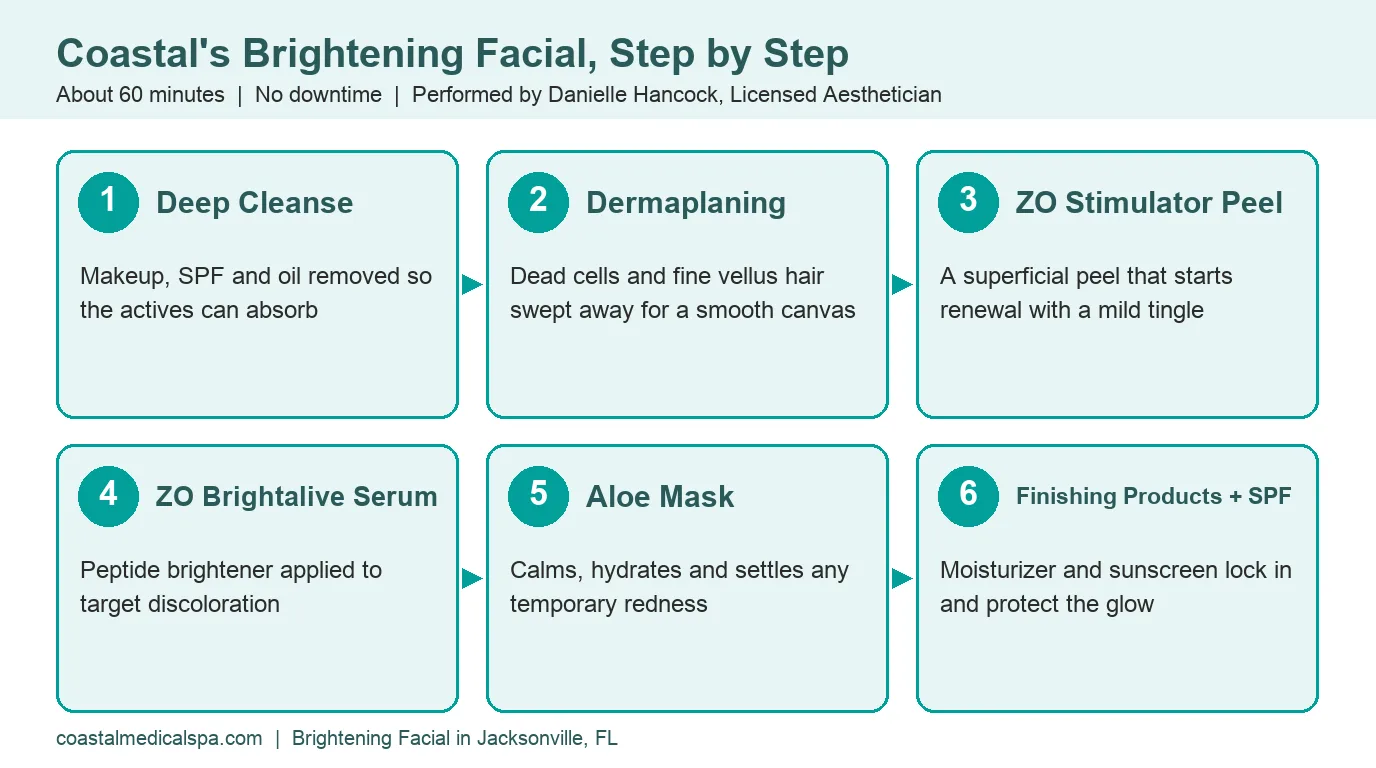
The steps of Coastal’s brightening facial.
Most people find it relaxing. The same actives power medical-grade skincare, which extends your results between visits. One skin-brightening products market report puts the global category at $13.1 billion in 2025.
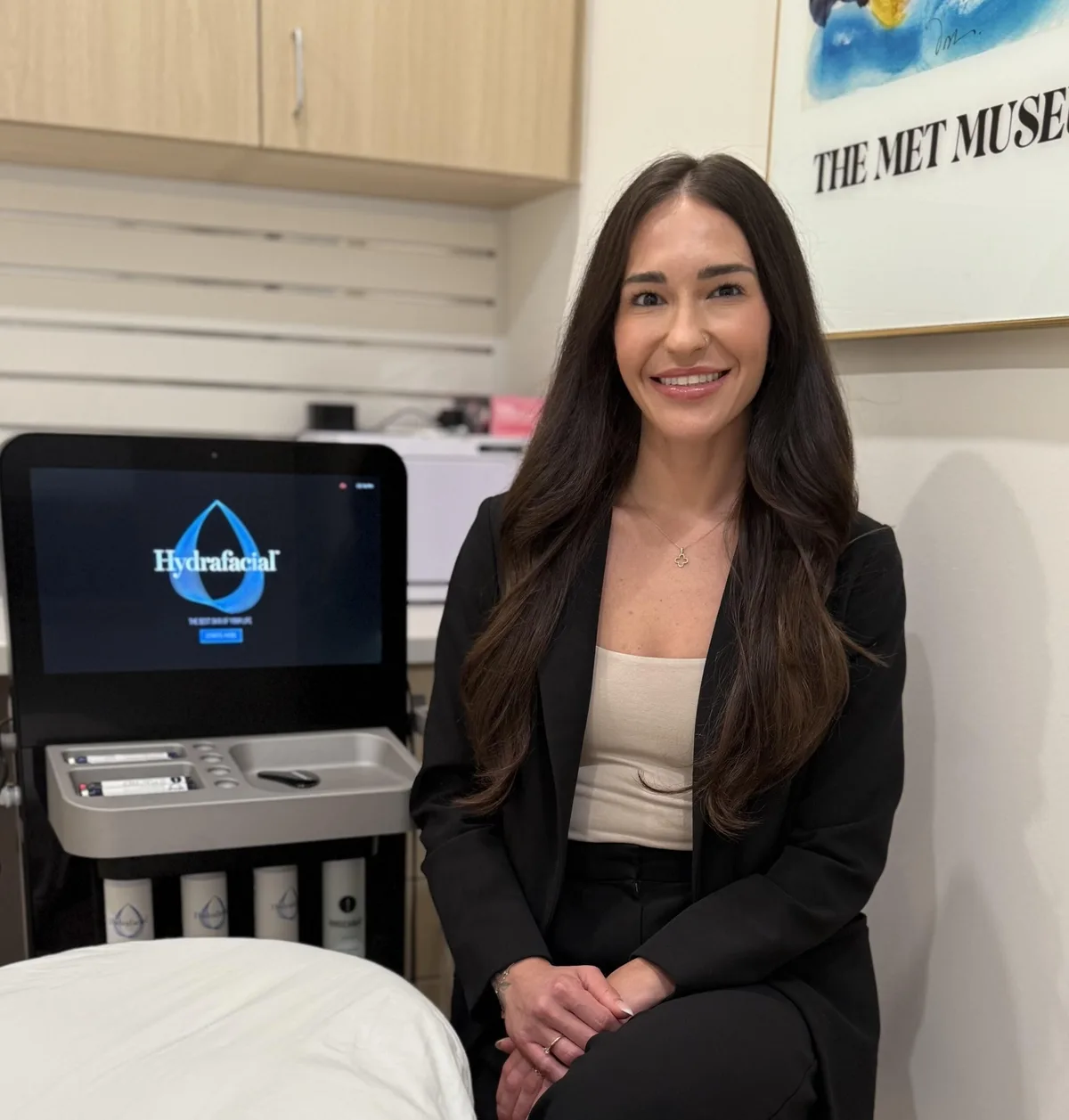
Danielle Hancock performing a facial in Coastal’s treatment room. Book a brightening facial consultation.
Pause strong acids, benzoyl peroxide, and retinoids for a few days beforehand unless Danielle advises otherwise.
Brightening Facial Enhancements
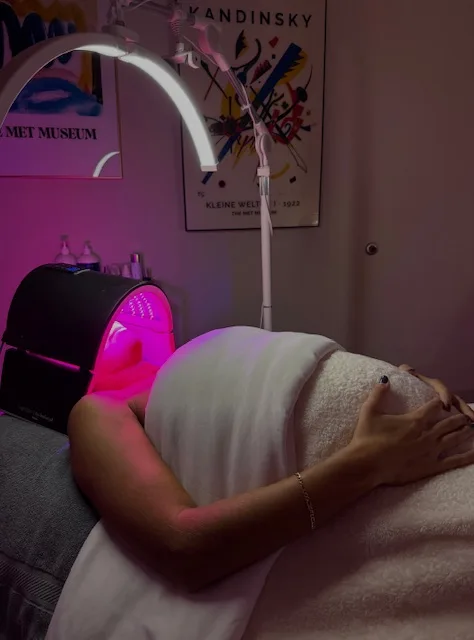
Red LED light therapy in Coastal’s studio. Explore our facials in Jacksonville.
LED light therapy. A red or blue session afterward calms inflammation and supports collagen.
HydraFacial with a brightening booster. The Deluxe and Platinum versions add a pigment-focused booster and suit dehydrated skin.

A HydraFacial in progress at Coastal. Learn about HydraFacial in Jacksonville.
Perfect Derma Peel between sessions. This medium-depth peel reaches deeper pigment; expect 5 to 7 days of peeling, so it is booked separately.
ZO Stimulator Peel on its own. Step three as a standalone visit with no downtime.
Glass skin facial between sessions. Best for hydration and luminosity; our how to get glass skin guide covers home care.
One non-invasive aesthetic treatment market report projects growth from $76.7 billion in 2025 to $88.99 billion in 2026.
How Long Does a Brightening Facial Last?
Results from a single brightening facial typically last 2 to 4 weeks, long enough to glide through a vacation, event, or photoshoot with visibly even, radiant skin. After a full series spaced a few weeks apart, the cumulative improvement in pigmentation and tone can hold for several months with consistent sun protection and a supportive home routine.
Factors that extend how long your results last:
- Daily broad-spectrum SPF 30 or higher, the single biggest variable
- Consistent at-home brightening skincare (vitamin C, niacinamide, tranexamic acid, azelaic acid)
- Maintenance sessions every 6 to 8 weeks after the initial correction phase
- Avoiding heat exposure (saunas, hot yoga) and visible light, which trigger melasma flares
- Skipping physical friction from aggressive scrubs or mitts that can cause PIH
How Often Should You Get a Brightening Facial?
During the correction phase, most providers schedule a brightening facial every 3 to 4 weeks, in step with the skin’s roughly monthly renewal cycle, so each visit exfoliates a fresh layer of pigmented cells. Once your tone has evened out, every 6 to 8 weeks usually holds the result; our guide on how often to get a facial covers other facial types.
If you are melasma-prone or often in the Florida sun, keep maintenance visits going through summer.
Is a Brightening Facial Right for You?
Brightening facials work for a surprisingly wide range of concerns. You’re a strong candidate if you’re dealing with sun damage, post-inflammatory hyperpigmentation from acne, melasma, damaged skin, acne scars, or simply a dull complexion that doesn’t respond to your at-home routine. Anyone wanting a pre-event glow-up also benefits from at least one session. Brides specifically benefit from incorporating a bridal facial timeline that combines brightening sessions with other treatments scheduled out from the wedding date. These treatments help improve skin clarity by addressing pigmentation and scarring, resulting in a more even and radiant complexion.
One caution before you book anything. Not every dark patch is a cosmetic concern. Melasma, which shows up as symmetrical brown patches on the cheeks, forehead, or upper lip and is driven by hormones and light, responds to brightening treatments but needs long-term management; this dermatology overview of melasma explains why it tends to return. Any spot changing in size, shape, or color needs prompt medical evaluation before any facial is scheduled. For persistent discoloration that does not respond to conservative care, a consultation can help determine whether advanced options or medical-grade topicals are more appropriate.
Adapting the Treatment for Different Skin Tones
This is where provider expertise matters most. Melanin-rich skin (Fitzpatrick types IV through VI) responds differently to exfoliation and certain actives. Overly aggressive peels or high-concentration acids can actually trigger more pigmentation in darker skin tones, which is the opposite of what you want.
A skilled aesthetician adjusts the protocol accordingly. They might use gentler AHA concentrations, favor azelaic acid over glycolic acid, or extend the time between sessions. The treatment still works beautifully for deeper skin tones. It just requires a provider who understands these nuances rather than applying the same protocol to every client. Dermatologists make the same point in their guidance on fading dark spots in darker skin: treat gently, protect from the sun daily, and give the process time.
Safety for Sensitive and Reactive Skin
Sensitive skin doesn’t automatically disqualify you. However, your provider needs to know about any reactivity, rosacea, active eczema, or current use of prescription retinoids before treatment. These factors change which ingredients are safe and how aggressively the exfoliation step should be performed. For sensitive or reactive skin, formulations with soothing ingredients, such as gentle botanicals and barrier-supportive components, are often used to help reduce irritation and provide comfort.
The same goes for acne medications and other topical prescriptions: you can usually still have the facial, but bring their names and strengths to your consult so your provider can lower the exfoliation level or postpone if needed. If you get cold sores or are breakout-prone, ask about preventative measures and non-comedogenic finishing products before you book.
If you’re pregnant or nursing, flag that too. Some brightening actives (particularly hydroquinone, which reputable spas generally avoid anyway) aren’t recommended during pregnancy. A good provider will build a protocol that works within your skin’s boundaries rather than pushing past them. For the safest and most effective results, it’s always best to consult a skincare professional who can offer personalized guidance based on your individual skin concerns.
How Brightening Facials Compare to Other Treatments
A chemical peel and a brightening facial share some overlap, since both use acids to improve skin texture and tone. The key difference is depth and intensity. Chemical peels penetrate more aggressively, which means stronger results for severe hyperpigmentation but also more downtime. You might experience visible peeling for several days afterward. Brightening facials, which are a type of spa treatment and fall under the broader category of professional facials, offer a gentler approach with virtually no recovery period, making them better suited for maintenance or mild to moderate concerns. Professional brightening facials often include advanced techniques such as microdermabrasion, chemical peels, and LED light therapy, which can enhance the effectiveness of the treatment compared to at-home options. Regular professional facials can also prevent future pigmentation issues, improve skin elasticity, and stimulate collagen production, contributing to long-term overall skin health.
An acne facial targets different problems entirely. Its focus is on clearing active breakouts through deep extraction and antibacterial treatment. If your primary concern is active acne, start there. A key concern a lot of our patients have is the dark marks left behind after acne heals. That’s where a brightening facial excels. Many clients eventually incorporate both into their routine at different stages of their skin journey. If your pigmentation runs deeper than a brightening facial alone can address, our guide to chemical peels for hyperpigmentation walks through when a peel becomes the better choice and how the two treatments can work together over a treatment plan. You may still be working through active breakouts alongside hyperpigmentation; that’s where our breakdown of facials for acne-prone skin can help you sequence treatments so you’re calming acne first and fading the dark marks afterward.
How to Maintain Your Brightening Results
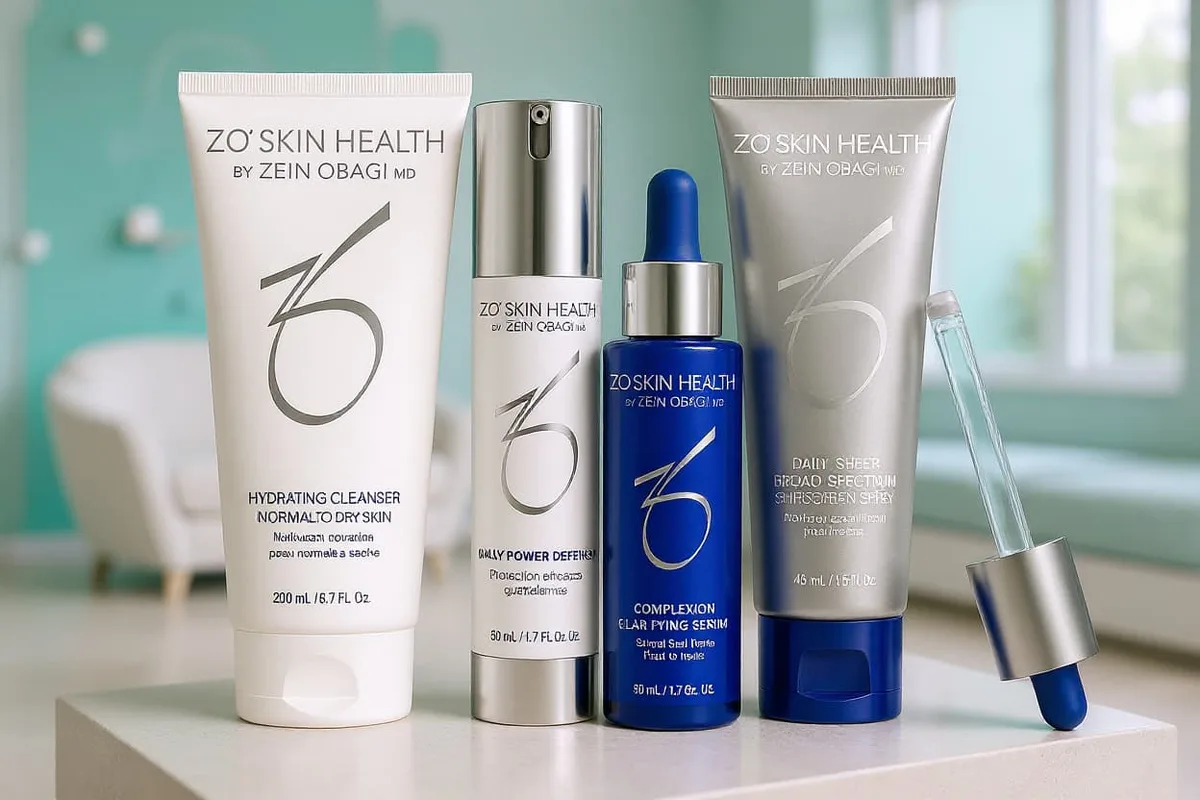
Medical-grade home care extends your results. Shop ZO Skin Health in Jacksonville.
For optimal results, most providers recommend a brightening facial every three to four weeks during an initial correction phase. Maintaining a consistent skin care routine is essential for supporting overall skin health, not just addressing immediate concerns. After you’ve reached your desired results, you can shift to maintenance appointments every six to eight weeks. Cleansing your skin gently each day helps remove dirt, oil, and environmental pollutants without stripping essential moisture, which is important for maintaining the effects of brightening facials. Incorporating serums or creams with brightening ingredients like vitamin C, niacinamide, or licorice root extract into your daily routine can support the reduction of pigmentation and enhance skin glow after a brightening facial. Exfoliating 1 to 2 times per week helps remove dead skin cells, allowing active ingredients from your skincare products to penetrate more deeply and amplify the benefits of both facials and home treatments.
In-office care is the right call for stubborn discoloration or reactive skin, while at-home products work best as consistent, supportive maintenance rather than a stack of aggressive actives.
Your Between-Session Routine
What you do at home between sessions matters almost as much as the treatment itself. Daily broad-spectrum SPF is non-negotiable. UV exposure is the single biggest driver of hyperpigmentation, and unprotected sun exposure after a brightening facial can cause rebound darkening that undoes your progress.
Use a gentle cleanser and avoid active exfoliants (retinoids, scrubs, at-home peels) for at least three to five days after treatment. Stick with hydrating serums and your SPF. Skip heat and friction for 24 to 48 hours (hot yoga, saunas, vigorous scrubbing), and don’t pick at any flaking. Your aesthetician should give you specific aftercare instructions, and following them makes a measurable difference in how long your results last.
One hyperpigmentation treatment market report values the global category at $489 million in 2025, a number that reflects how common these concerns are and how seriously people take professional treatment. You’re far from alone in wanting to address uneven skin tone.
What Does a Brightening Facial Cost?
Across the U.S. market, brightening facial pricing varies by protocol complexity and provider type. Typical industry ranges:
- Standalone brightening facial (60 min): $120 to $200 per session
- With add-ons (dermaplane prep, LED therapy, enzyme peel): $150 to $300 per session
- Chemical-peel style brightening facial: $175 to $350 per session
- Packages of 4 to 6 sessions: often 10–20% less per session than single bookings
Note on pricing: The ranges above reflect typical U.S. industry figures for planning purposes only. They do not represent Coastal Health & Medical Spa’s current pricing. Contact our team for up-to-date rates on any treatment discussed here.
Brightening Facial Before and After: What to Expect Visually
Immediately after (same day): a noticeable glow, smoother skin, foundation sits more evenly. Any redness from exfoliation usually fades within a few hours.
One week after: pigment spots begin to appear lighter as dead cells continue turning over. Makeup applies more easily and your complexion photographs better.
After a series of sessions: meaningful reduction in sun spots, post-acne marks, and melasma intensity. Overall tone looks more uniform, and many clients report being able to wear less foundation. For a fuller picture of where a facial fits next to peels and laser resurfacing for sun damage, see how to get rid of sunspots.
Manage expectations realistically. Deeper pigmentation and active melasma require ongoing maintenance rather than one-and-done transformation. Providers who show you honest before/after photos of patients with similar skin tones and concerns will give you the clearest preview of what your own timeline might look like.
Your Next Step Toward Brighter, More Even Skin
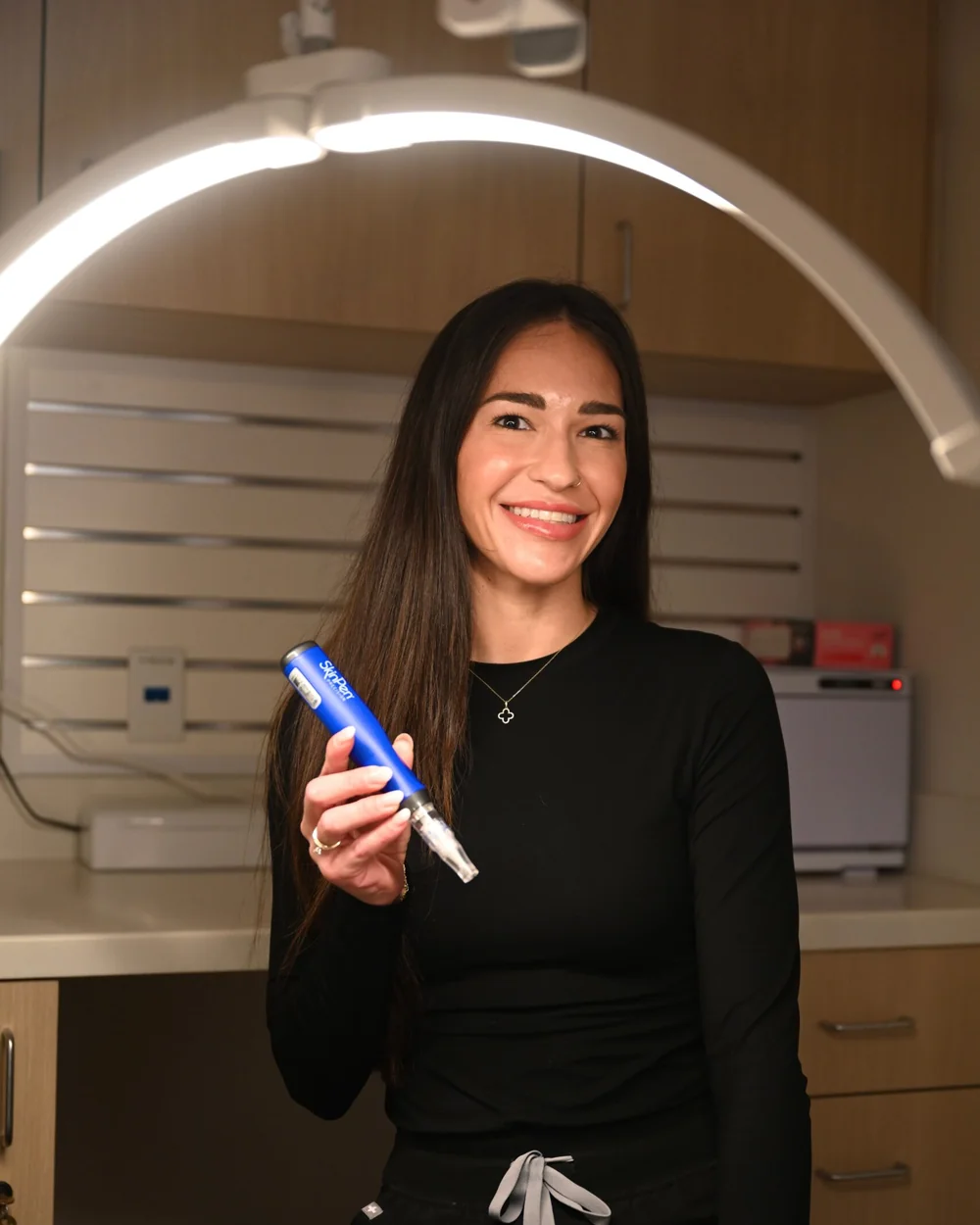
Danielle Hancock in Coastal’s facial room. Book a brightening facial.
A brightening facial works best when it’s tailored to your unique skin. Generic, off-the-shelf protocols miss the mark for most people, which is why professional assessment matters so much. Whether you’re dealing with stubborn sun spots, post-acne hyperpigmentation, or a complexion that just looks tired, the right treatment plan can make a visible difference within weeks.
Ready to see what a customized brightening facial can do for your skin? Book a brightening facial consultation with Danielle Hancock at Coastal Health & Medical Spa in Jacksonville, FL, and start building a treatment plan designed around your goals. You can meet the Coastal team or reach our Jacksonville office with questions before you book. Our team will assess your skin, recommend the right combination of services, and help you achieve the radiance you’ve been chasing.
Frequently Asked Questions
What is brightening facial?
A brightening facial is a professional treatment that fades dark spots, dullness, and uneven tone without lightening your natural skin color. At Coastal it combines a deep cleanse, dermaplaning, the ZO Stimulator Peel, ZO Brightalive serum with an aloe mask, and SPF finishing products in about 60 minutes with no downtime.
What is the best facial brightener?
There is no single best brightener, but vitamin C, niacinamide, tranexamic acid, and azelaic acid have the strongest track records for pigment. In a professional facial, a peptide brightener like ZO Brightalive targets discoloration at its source without hydroquinone. The right pick depends on your skin tone, sensitivity, and whether melasma is involved.
What is the best facial for brightening my skin?
For dullness and dark spots, a brightening facial that pairs dermaplaning with a superficial peel and a brightening serum gives the most visible change with no downtime. If dehydration is your main issue, a HydraFacial with a brightening booster may suit you better, and deeper pigment may call for a chemical peel.
What can brighten my face fast?
For same-day results, dermaplaning plus a brightening facial delivers an immediate glow and smoother makeup application. Book 7 to 14 days before an event so any redness settles. At home, a gentle exfoliant, a vitamin C serum, and daily SPF are the fastest ways to support that glow between visits.
