That stubborn dark patch on your cheek didn’t appear overnight, and a single chemical peel for hyperpigmentation won’t erase it by Friday either. Many people seek chemical peels for hyperpigmentation to achieve a brighter complexion and clearer skin, as these are key desired outcomes. Understanding what this treatment can realistically do for dark spots, melasma, and post-acne marks requires honest expectations about timing, depth, and the science behind pigment correction. Too many people walk into a treatment feeling hopeful and walk out feeling confused because nobody told them what “results” actually look like at week one versus week six.
This guide breaks down the full picture: which types of hyperpigmentation respond best to peels, how different acids target pigment at the cellular level, what recovery truly involves, and the specific safety considerations that matter if you have darker skin. You’ll leave with a clear framework for deciding whether a peel is right for your skin concern and what to expect if you move forward.
What Hyperpigmentation Is and Why It Happens
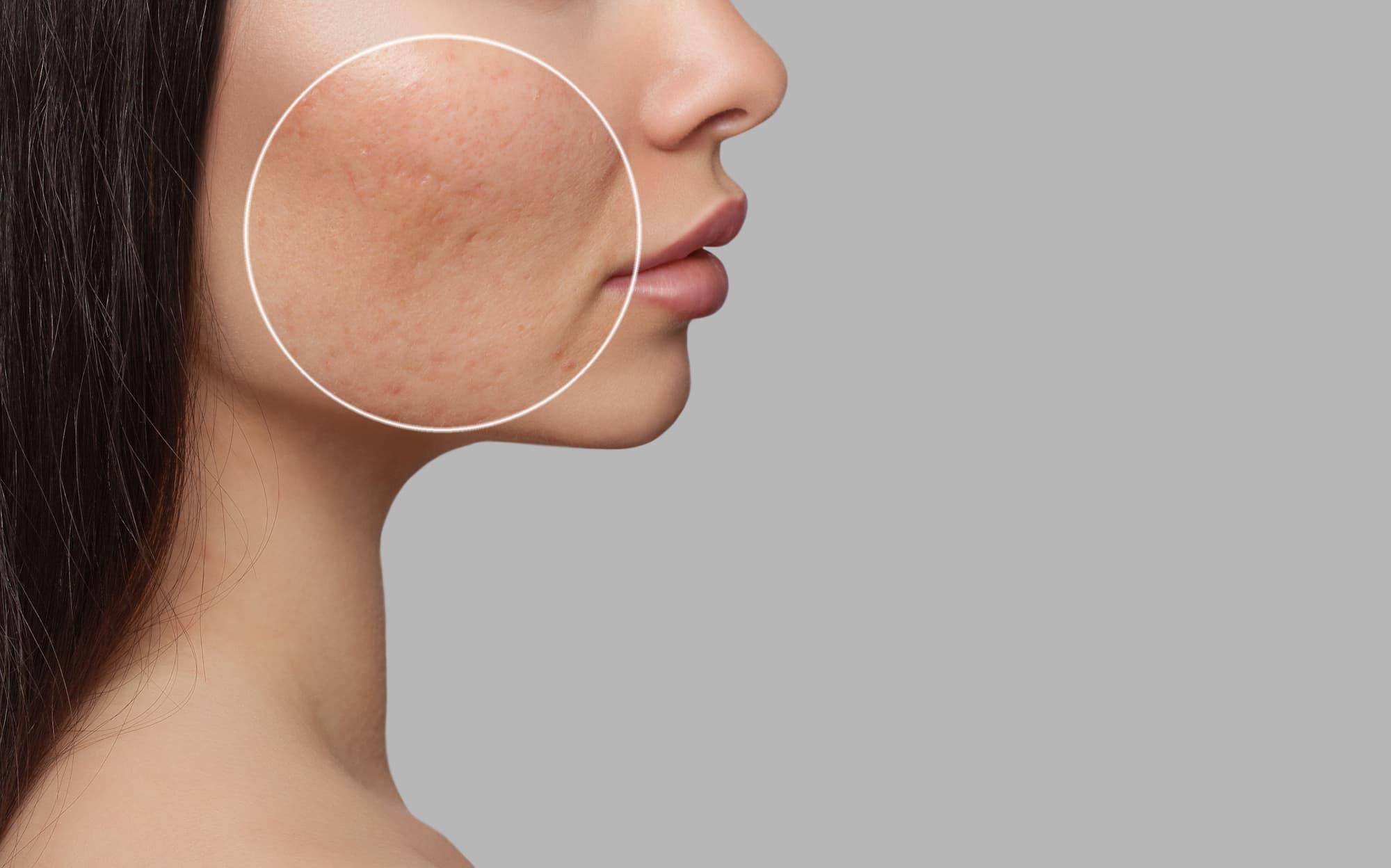
Hyperpigmentation occurs when melanocytes produce excess melanin in concentrated areas, creating patches or spots that appear darker than surrounding skin. Hyperpigmentation treatment is a specialized procedure aimed at fading dark spots and achieving a brighter complexion. It’s one of the most common reasons people seek professional skin treatments, and it affects every skin tone. The triggers vary, but the underlying mechanism is the same: something stimulates your pigment-producing cells to go into overdrive. Stubborn discoloration and uneven skin tone are common concerns addressed by these treatments.
Types of Hyperpigmentation You Might Recognize
Sun spots (also called solar lentigines) develop from cumulative UV exposure and tend to appear on the face, hands, and chest. They’re flat, well-defined, and usually tan to dark brown. These are often the easiest form of hyperpigmentation to treat with chemical peels because the pigment sits relatively close to the skin’s surface. If sunspots are your main concern, our guide to how to get rid of sunspots on your face compares peels with the at-home and laser options side by side.
Melasma is more complex. Hormonal shifts from pregnancy, birth control, or hormone therapy trigger larger, often symmetrical patches across the cheeks, forehead, or upper lip. Melasma has a deeper hormonal root, which means it responds to treatment but tends to recur without ongoing management. Moderate hyperpigmentation, such as stubborn sun damage or melasma, may require more intensive treatments like medium-depth peels for effective results. If you’re dealing with this type, patience and a maintenance plan matter more than peel strength.
Then there’s post-inflammatory hyperpigmentation (PIH), the dark marks left behind after acne, burns, or skin injuries. If you’ve ever wondered which facial is good for acne-prone skin, you’ve likely dealt with these stubborn marks firsthand. PIH can fade on its own over months, but peels can accelerate that timeline significantly.
For severe hyperpigmentation, such as extensive melasma or sun damage, more intensive or customized treatments may be necessary, including CO2 laser resurfacing in Jacksonville, which resurfaces sun-damaged skin more aggressively than a peel. The ultimate goal of chemical peel for hyperpigmentation is to achieve evenly pigmented skin by addressing both moderate and severe hyperpigmentation.
How Chemical Peels Target Pigment at the Cellular Level
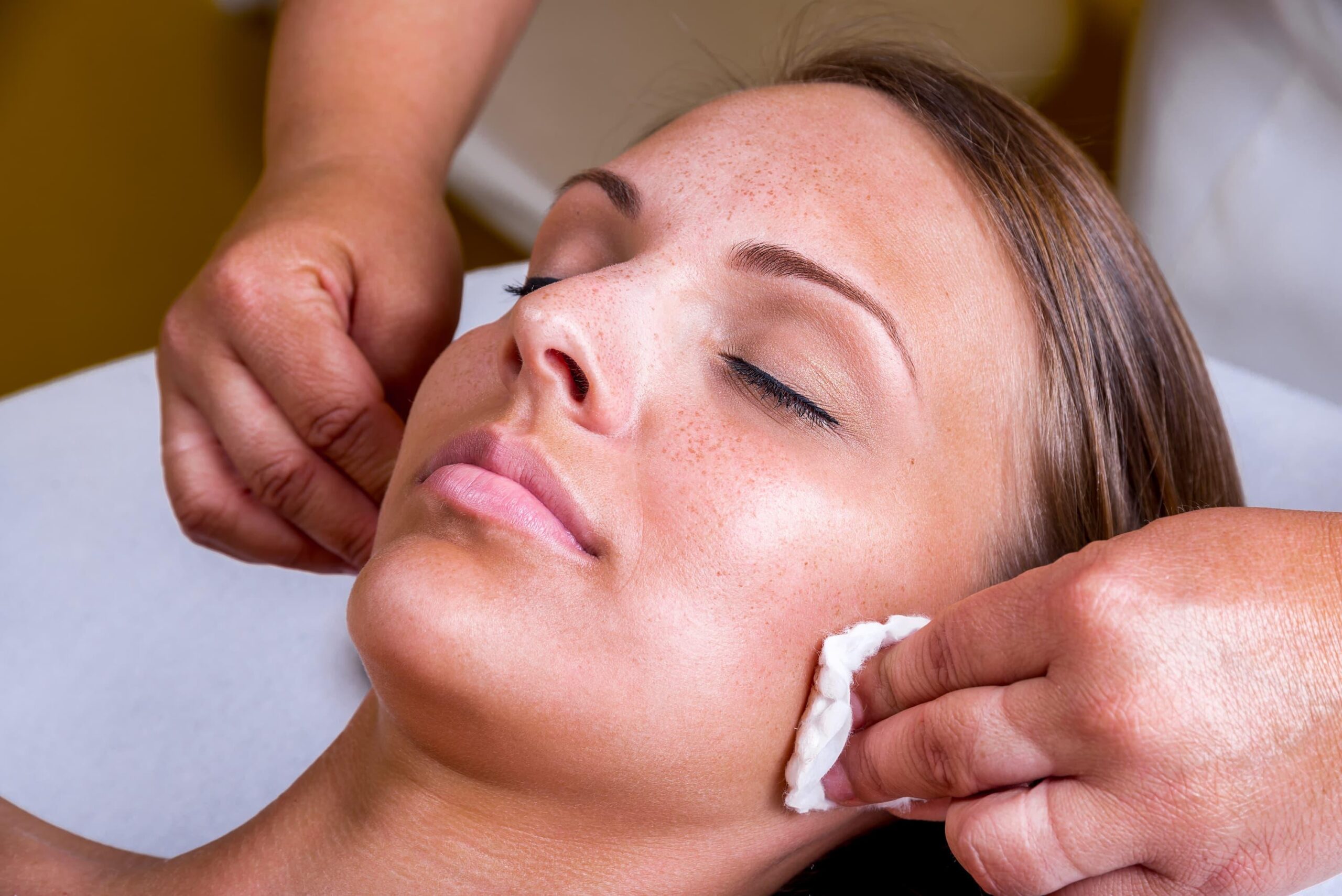
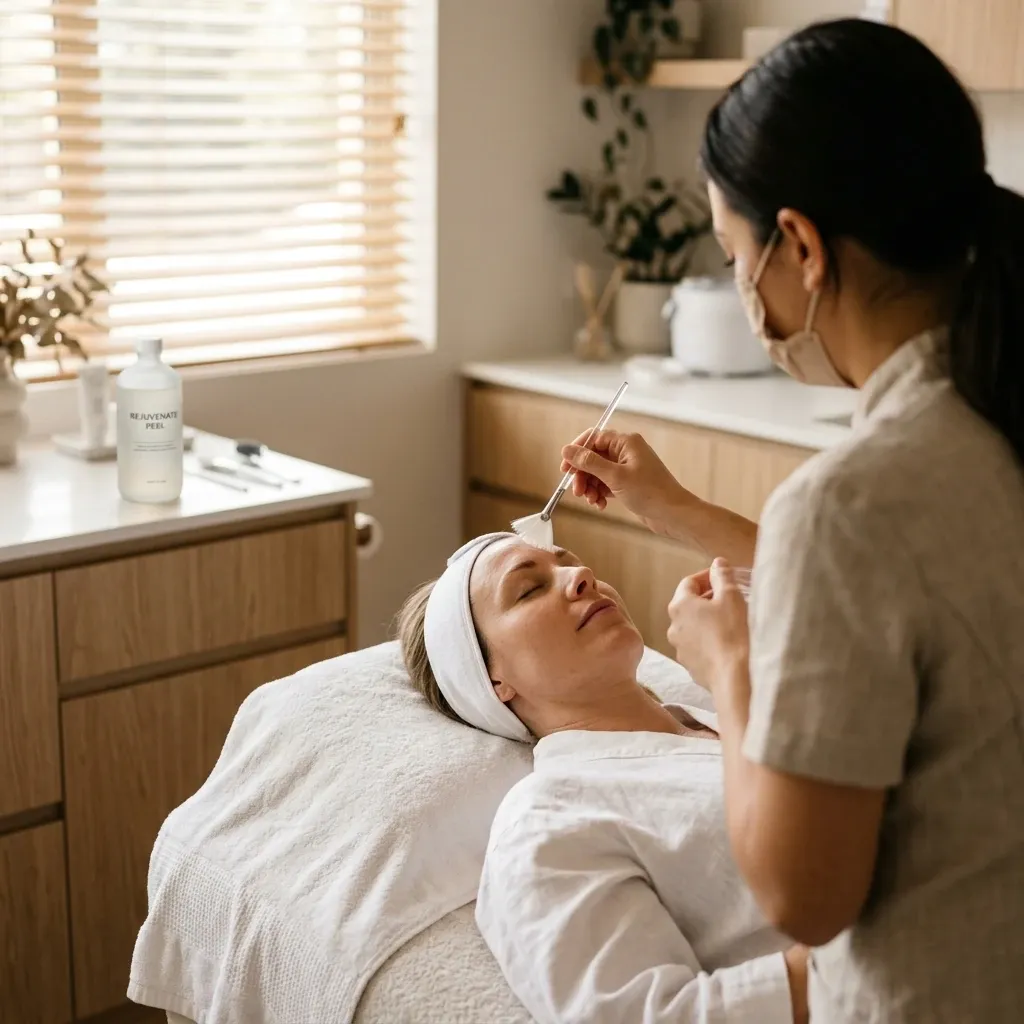
A chemical peel involves applying a chemical solution to the skin, which breaks down the bonds between dead skin cells in the outermost layer and outer layer. This process removes damaged skin layers and promotes the shedding of dead skin cells, revealing healthier, more evenly pigmented skin underneath. By accelerating your skin’s natural turnover cycle—which normally takes about 28 days—chemical peels work to improve skin tone and texture.
What makes peels particularly effective for hyperpigmentation is their ability to break up melanin clusters. Certain peels can penetrate deeper into the skin to target more stubborn pigmentation and achieve more dramatic results. The acid penetrates to a specific depth depending on its type and concentration, disrupting the deposits of excess pigment that create visible dark spots. Deeper peels reach further into the dermis, while superficial peels work primarily on the epidermis.
This isn’t purely a surface-level trick. Many peel formulations also include ingredients that actively suppress melanin production during the healing process, giving your skin a reset on both existing pigment and future production. Additionally, chemical peels can stimulate collagen production, which improves skin firmness and texture, and contributes to a glowing skin appearance.
Key Acids Used in Pigment-Correcting Peels
Glycolic acid, an alpha hydroxy acid derived from sugarcane, has the smallest molecular size in its class. That means it penetrates quickly and evenly, making it a go-to for surface-level sun damage. Glycolic acid peels are a category of light chemical peels that improve mild hyperpigmentation, sun damage, and post-inflammatory hyperpigmentation. When used at lower concentrations, glycolic acid peels can be a gentle chemical peel option suitable for sensitive skin, gradually enhancing skin brightness with repeated treatments.
Mandelic acid, a gentle chemical peel option derived from apples, is recommended for sensitive skin and Fitzpatrick skin types IV–VI. Its large molecular size allows it to penetrate slowly, reducing the risk of irritation while effectively treating discolorations.
Salicylic acid is a beta hydroxy acid and is oil-soluble, so it works well for PIH related to acne. A salicylic acid peel is an effective treatment for acne, hyperpigmentation, and clogged pores. It penetrates into pores, clears congestion, and reduces the inflammation that triggers new pigment deposits.
TCA (trichloroacetic acid) operates at a medium depth and handles more stubborn pigmentation, and it is one of the most widely used medium-depth agents for melasma and resistant sun damage.
Kojic acid and vitamin C often appear in peel formulations as melanin inhibitors rather than primary exfoliants. They work synergistically with the exfoliating acids to suppress new pigment while damaged pigment is being shed. Glutathione, another antioxidant found in some advanced peels, helps lighten existing melanin deposits from within.
Types of Chemical Peels for Hyperpigmentation: Light, Medium, and Deep
Not every peel is appropriate for every type of dark spot. Hyperpigmentation chemical peels are specifically designed to target dark spots and improve skin tone. Peel depth determines how aggressively the treatment targets pigment, how much downtime you’ll experience, and how dramatic your results will be.
Light (superficial) peels
Light (superficial) peels use lower concentrations of glycolic, salicylic, or lactic acid to address the outermost epidermal layer. They work best for mild sun damage and early PIH. These peels offer minimal downtime and are suitable for ongoing maintenance peels to sustain results and prevent new hyperpigmentation. Downtime is minimal, often just a day or two of slight flaking. Most people need a series of four to six treatments spaced two to four weeks apart for noticeable improvement. Coastal’s ZO Stimulator Peel falls into this category. It’s a retinoid-based light peel designed for first-time patients, ongoing brightening, and minimal disruption to your routine.
Medium-depth peels
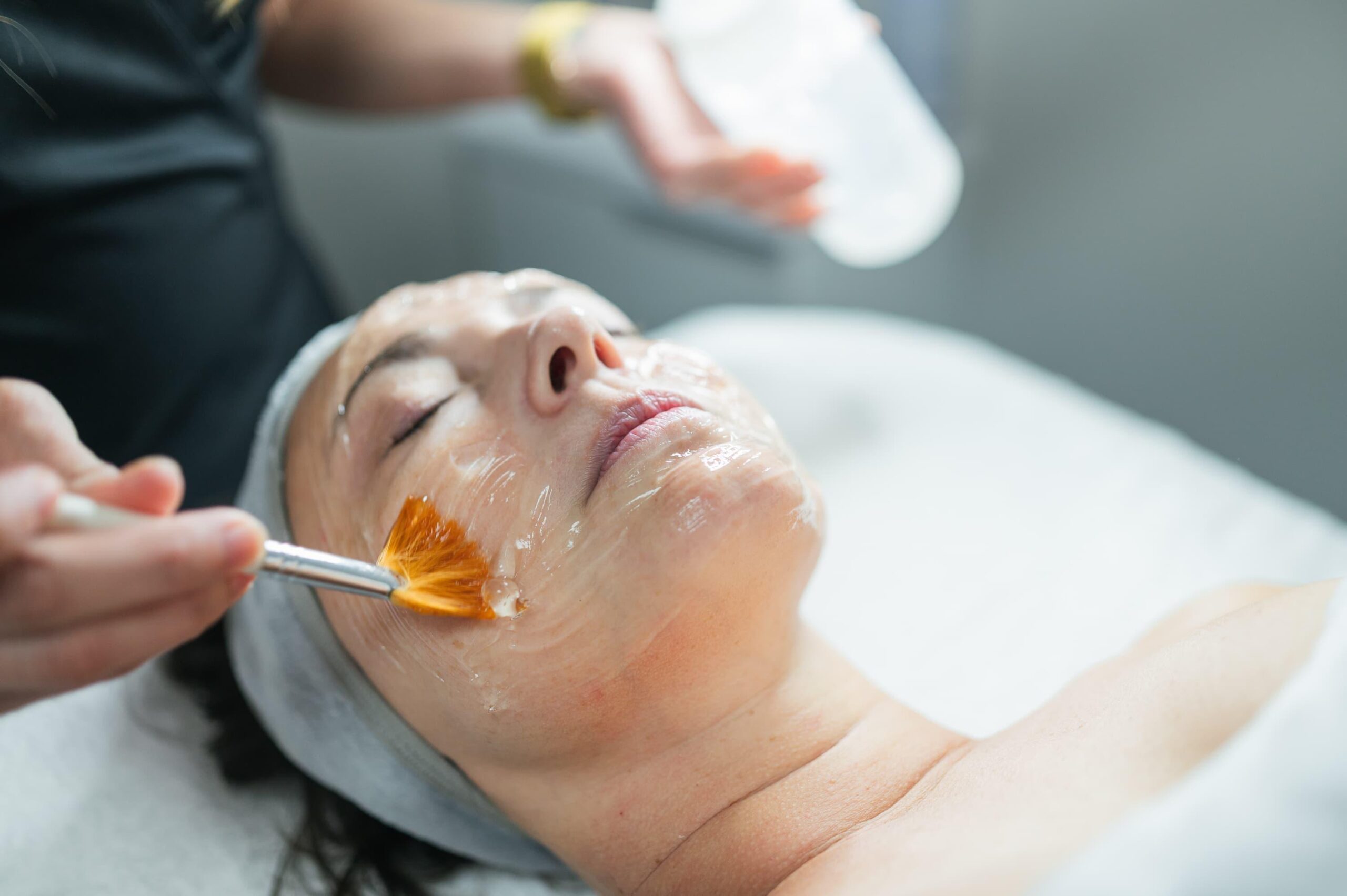
Medium-depth peels use higher-concentration TCA or combination formulas to reach the papillary dermis. These target more entrenched melasma and moderate sun damage. Expect three to seven days of visible peeling and redness. Two to three sessions may be sufficient for significant improvement. Coastal’s Perfect Derma Peel is our medium-depth option, combining TCA, kojic acid, retinoic acid, and glutathione specifically to target stubborn pigmentation. The VI Peel is another advanced chemical peel option formulated to treat hyperpigmentation, melasma, and sun damage, suitable for all skin types with minimal discomfort and quick results.
Deep peels
Deep Peels use phenol-based solutions and penetrate the skin to deeper layers. They produce the most dramatic results in a single session but carry higher risk of complications, extended downtime of two or more weeks, and are generally not recommended for darker skin tones. The treated skin undergoes significant regeneration, resulting in improved tone and texture. Coastal does not offer phenol-based deep peels; if your pigmentation is severe enough to warrant that depth, our team can recommend whether a series of medium-depth Perfect Derma Peel treatments is a safer alternative or refer you to an appropriate provider.
ZO Stimulator Peel vs. Perfect Derma Peel for Dark Spots
The ZO Stimulator Peel is a lighter, retinoid-based peel designed for patients who want improvement with minimal disruption to their routine. It works well for mild hyperpigmentation and overall skin brightening, and it’s gentle enough that many patients can return to normal activities the same day. It’s a strong starting point if you’ve never had a professional peel before.
The Perfect Derma Peel takes a more aggressive approach. It combines TCA, kojic acid, retinoic acid, and glutathione in a medium-depth formula specifically designed to target stubborn pigmentation. It requires more downtime, typically five to seven days of noticeable peeling, but delivers more visible results per session. For moderate melasma or persistent PIH that hasn’t responded to lighter treatments, this peel is often the better match.
Here’s an honest trade-off to consider: the Perfect Derma Peel produces faster visible results, but the ZO Stimulator is easier to maintain as part of an ongoing routine with less scheduling disruption. Selecting the appropriate peel and following a personalized plan is essential to achieve optimal results and effectively fade dark spots, especially in cases of stubborn discoloration. Your best option depends on your pigmentation severity, tolerance for downtime, and long-term goals.
Results Timeline: When to Expect Visible Improvement
Unrealistic expectations are the biggest source of disappointment with chemical peels. Here’s what actually happens, broken down by phase.
| Timeframe | Light Peel | Medium Peel (e.g., Perfect Derma Peel) |
|---|---|---|
| Days 1–3 | Mild tightness, slight pinkness | Redness, skin feels tight and darkens |
| Days 3–7 | Light flaking around mouth and chin | Active peeling, sheets of skin may shed |
| Weeks 2–3 | Skin appears brighter, spots slightly lighter | New skin revealed, noticeable pigment reduction |
| Weeks 4–6 | Gradual improvement continues | Significant improvement in pigment evenness |
| Months 2–3 | Full results after completing a series of 4–6 peels | Optimal results after 2–3 sessions |
As the skin heals after a chemical peel, new, healthier skin replaces the old, pigmented layers, leading to gradual improvement in hyperpigmentation. Topical retinoids support that same cell turnover between treatments; our guide to the benefits of retinol explains how. During a peel, patients may feel burning, stinging, or heat, which can be managed with fans or cool compresses.
One thing that surprises many patients: your skin often looks worse before it looks better. During active peeling, dark spots may temporarily darken as pigmented cells rise to the surface before shedding. This is normal and expected. Resist the urge to pick or peel the flaking skin prematurely, as this can cause scarring and new PIH.
How Many Chemical Peels Do I Need for Hyperpigmentation?
Most patients need a series of 4 to 6 light peels spaced 2 to 4 weeks apart, or 2 to 3 medium-depth peels spaced 4 to 8 weeks apart, to see significant hyperpigmentation improvement. Early sun spots and mild PIH often resolve within a single series, while melasma and deeper pigmentation typically require more sessions plus ongoing maintenance every few months.
Session count depends on four variables: the type of hyperpigmentation (sun spots resolve fastest, melasma slowest), your Fitzpatrick skin type, peel depth, and how strictly you follow sun protection between sessions. Patients who skip SPF or have ongoing UV exposure often need more peels to reach the same result.
Session Count by Pigmentation Type
- Sun spots / solar lentigines: 3 to 5 light peels or 1 to 2 medium peels
- Post-inflammatory hyperpigmentation (PIH): 4 to 6 light peels, often combined with in-between skincare
- Melasma: 6+ superficial peels plus daily maintenance skincare; often paired with prescription topicals
Chemical Peel Safety for Darker Skin Tones
If you have a Fitzpatrick skin type IV through VI, you’re right to do extra research before booking a peel. Darker skin produces more melanin, which means any inflammatory trigger, including a peel that’s too aggressive, can cause more hyperpigmentation rather than less. This is the biggest risk, and it’s entirely preventable with proper protocols.
Published clinical guidelines on chemical peels recommend a 2-to-4-week priming regimen with tretinoin, mild hydroxy acids, or hydroquinone before treating darker skin. This priming phase prepares melanocytes to respond more evenly to the peel, reducing the inflammatory response that triggers rebound pigmentation.
Not all peels are appropriate for darker skin. Deep phenol peels carry too high a risk and should generally be avoided. Superficial peels and carefully administered medium-depth peels with proper pre-treatment conditioning are the safest approach. Your provider should evaluate your specific skin tone, history, and sensitivity before recommending any peel depth.
Pre- and Post-Peel Care for Lasting Pigment Correction
Preparing Your Skin Before a Peel
The work starts well before you sit in the treatment chair. Most providers recommend beginning a topical retinoid and a melanin-suppressing agent like hydroquinone or vitamin C serum two to four weeks prior. This primes the skin for more even penetration and reduces the chance of patchy results. For a more detailed breakdown, understanding how to prepare for a chemical peel can make a meaningful difference in your outcome.
Stop using any physical exfoliants, waxing, or at-home peel products at least one week before your appointment. Avoid excessive sun exposure and start wearing SPF 30 or higher daily if you aren’t already. Show up to your appointment with clean skin and no active breakouts or open wounds in the treatment area.
Aftercare That Protects Your Results
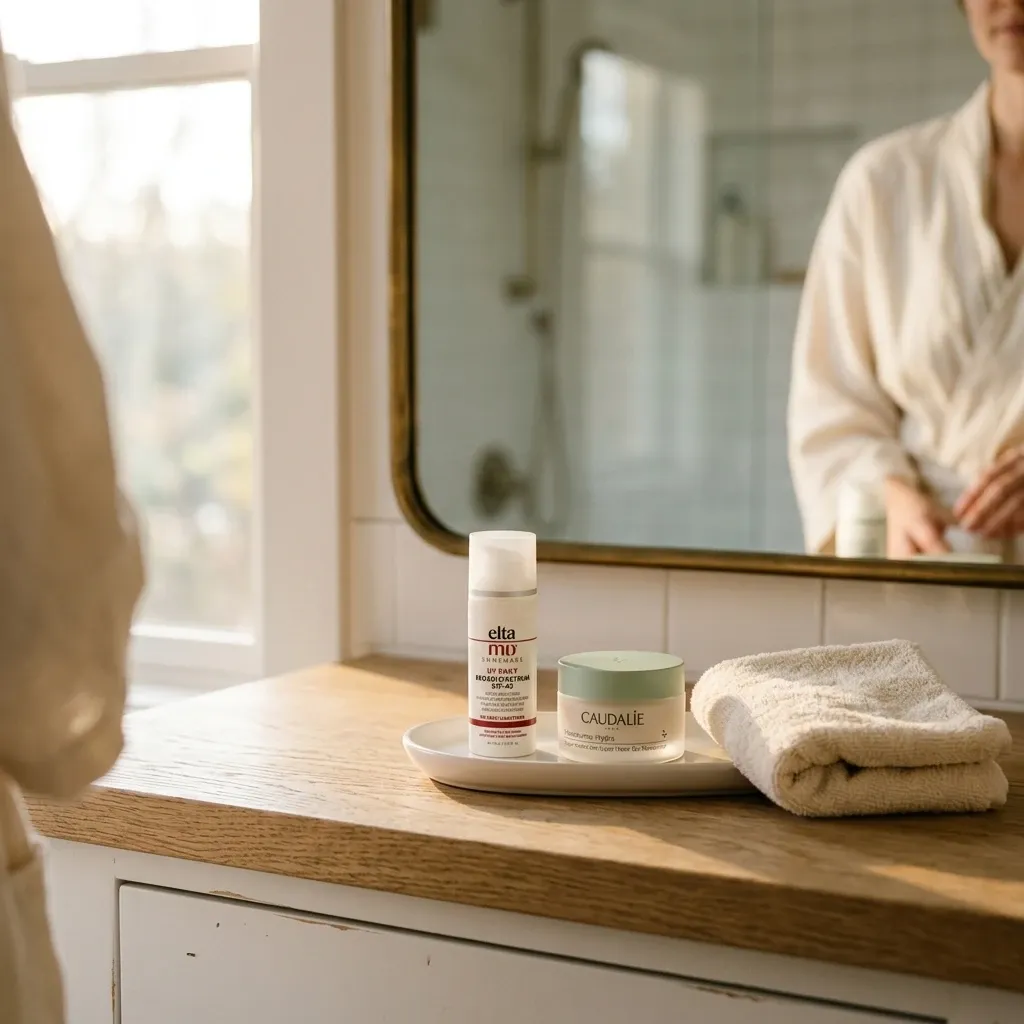
Post-peel care is where most people either protect their investment or undermine it. SPF 50 broad-spectrum sunscreen is non-negotiable for at least eight weeks after treatment. UV exposure on freshly peeled skin can trigger hyperpigmentation that’s worse than what you started with.
Keep your skin hydrated with a gentle, fragrance-free moisturizer. Avoid active ingredients like retinoids, AHAs, and vitamin C for the first week unless your provider specifically instructs otherwise. Don’t pick at peeling skin. For complete guidance, follow your provider’s chemical peel aftercare instructions closely, as these protocols exist to prevent complications and maximize results. Coastal publishes treatment-specific recovery guides for every service we offer, from peel recovery to Kybella aftercare, so patients always have a clear plan for each stage of healing.
Benefits Beyond Pigment Correction
While you’re addressing dark spots, a chemical peel simultaneously improves skin texture and reduces the appearance of fine lines. The accelerated cell turnover reveals smoother, more radiant skin overall. Many patients report that their skincare products absorb more effectively after a peel series, amplifying the results of their entire routine.
Personalized Treatment Plans: Why One Peel Doesn’t Fit All
Aesthetic preferences continue shifting toward subtle, enhancing results rather than dramatic alterations, which reinforces why cookie-cutter peel protocols fall short. Your ideal treatment plan depends on your specific type of hyperpigmentation, your skin tone, your tolerance for downtime, and whether you’re combining peels with other modalities.
For example, someone with mild sun spots and fair skin might see excellent results from a series of ZO Stimulator Peels spaced three weeks apart. Someone with moderate melasma on medium-toned skin might benefit more from two Perfect Derma Peel sessions combined with a daily brightening serum and strict sun protection. A third person with PIH on darker skin may need an extended priming phase before even a single superficial peel.
This is exactly why a thorough consultation matters more than choosing a peel based on an Instagram before-and-after photo. At Coastal Health & Medical Spa in Jacksonville, FL, every peel recommendation begins with a skin assessment that evaluates your Fitzpatrick type, pigmentation pattern, medical history, and lifestyle factors. The team customizes not just the peel selection but the entire treatment arc, from pre-treatment prep through post-peel maintenance.
Chemical Peel vs. Laser vs. Microneedling for Dark Spots
Peels, lasers, and microneedling all treat hyperpigmentation through different mechanisms, and the right choice depends on your skin tone, type of pigmentation, and downtime tolerance. Chemical peels remain the most flexible entry point because they can be adjusted in strength and paired with targeted skincare between sessions.
| Factor | Chemical Peel | Laser | Microneedling |
|---|---|---|---|
| Mechanism | Chemical exfoliation + melanin suppression | Light/heat energy targets pigment | Micro-injuries trigger collagen + turnover |
| Best for | Melasma, PIH, general tone | Isolated sun spots on lighter skin | PIH with texture, acne scarring |
| Darker skin tone safety | Moderate (with priming) | Higher PIH risk | High (all Fitzpatrick types) |
| Downtime | 1–7 days | 1–14 days | 1–3 days |
| Sessions typically needed | 2–6 | 1–3 | 3–6 |
For most patients with mixed pigmentation and texture concerns, peels and microneedling are safer first-line choices across all skin tones. Lasers deliver fast results on isolated sun spots but carry higher PIH risk for deeper skin. A consultation is the cleanest way to sequence treatments for your specific concern.
Risks, Side Effects, and Typical Cost of Chemical Peels
Chemical peels are well-tolerated when matched to the right patient, but every procedure carries some risk. Knowing what’s normal and what’s not helps you decide whether the trade-offs fit your goals.
Common Side Effects
- Redness, tightness, and mild stinging for 24 to 72 hours
- Flaking or peeling from day 2 through day 7 depending on depth
- Temporary darkening of pigmented spots before they shed
- Increased sun sensitivity for several weeks
Less Common Risks
- Rebound hyperpigmentation (especially without proper priming on darker skin)
- Prolonged erythema beyond 2 weeks
- Scarring, infection, or cold sore reactivation (rare with appropriate provider screening)
- Uneven peeling or hypopigmentation with deeper peels
Typical Cost Range
Across the U.S. market, chemical peel pricing varies widely by peel type and provider experience. Typical industry ranges are:
- Light peels (ZO Stimulator, glycolic, lactic): $100 to $250 per session
- Medium peels (Perfect Derma Peel, TCA): $250 to $600 per session
- Deep peels (phenol-based): $1,000 to $3,000+ per session
Note on pricing: The figures above reflect typical industry ranges for reference and do not represent Coastal Health & Medical Spa’s exact pricing. Contact our team for current rates on any treatment discussed here, or check out our booking page.
Your Next Step Toward Clearer, More Even Skin

A chemical peel for hyperpigmentation works, but only when the right peel is matched to your specific skin concern and administered with proper pre- and post-care protocols. The difference between a good result and a great one almost always comes down to personalization and professional guidance.
If you’re ready to address stubborn dark spots, melasma, or post-acne marks with a treatment plan built around your skin, schedule a consultation at Coastal Health & Medical Spa in Jacksonville, FL. Our team will evaluate your skin, recommend the right peel depth and formulation, and walk you through every phase of the process so you know exactly what to expect.
Frequently Asked Questions
Q: Will a chemical peel remove hyperpigmentation permanently?
A: Chemical peels can significantly fade sun spots and post-inflammatory hyperpigmentation with a series of treatments, and in many cases the improvement holds for years with proper sun protection. Melasma is more likely to recur over time because of its hormonal trigger, so permanent clearance is less realistic without ongoing maintenance.
Q: Can I get a chemical peel if I use tretinoin?
A: Yes, many providers keep patients on tretinoin as part of the priming protocol, but most will have you pause it 3 to 7 days before the peel to avoid excessive irritation. Timing varies by peel depth and how long you’ve been using tretinoin, so follow your provider’s specific stop-and-restart window.
Q: Can I get a chemical peel if I have active acne or an irritated breakout?
A: It depends on the severity and whether the skin is inflamed, open, or compromised. Many providers will postpone a peel until active lesions calm down to reduce irritation and lower the risk of uneven healing. A consult can confirm whether an acne-friendly peel or a different treatment is the better first step.
Q: What should I ask during a chemical peel consultation to make sure it is the right fit?
A: Ask which peel depth is recommended for your specific pigment pattern, what your plan is if discoloration rebounds, and what products you should stop or start before treatment. You should also request a clear schedule for follow-ups and maintenance so results are easier to protect long term.
Q: Are chemical peels safe during pregnancy or while breastfeeding?
A: Many clinics take a conservative approach because certain peel ingredients and supporting topicals may not be recommended during pregnancy or nursing. If you are pregnant or breastfeeding, share that early, your provider can suggest safer alternatives and a postpartum plan.
Q: How do chemical peels compare to lasers or microneedling for dark spots?
A: Peels are often a good entry point because they can be adjusted in strength and paired with skincare, while lasers and microneedling may be better for specific cases like texture changes or mixed concerns. The best choice depends on your skin tone, the cause of discoloration, and how your skin reacts to inflammation. A provider can help sequence treatments to minimize risk and maximize results.
Q: What ingredients should I use between peels to maintain results without irritating my skin?
A: Look for barrier-supporting basics like gentle cleansers, ceramide-based moisturizers, and a mineral or hybrid sunscreen, then add brighteners slowly as tolerated. Common options include niacinamide, azelaic acid, and tranexamic acid, but the right choice depends on sensitivity and pigment type. Introduce only one new product at a time to avoid triggering irritation.
Q: How can I prevent hyperpigmentation from coming back after my peel series ends?
A: Build a maintenance plan that includes daily sun protection, consistent use of pigment-regulating skincare, and periodic professional treatments when needed. Lifestyle factors like heat exposure, visible light, and friction can also contribute, so small habit changes can make a noticeable difference. Your provider can tailor maintenance frequency based on how easily your pigment tends to recur.
Q: What are the warning signs after a peel that mean I should contact my provider?
A: Contact your provider if you develop increasing pain, swelling, spreading redness, pus-like drainage, or blistering that worsens instead of improving. Also reach out if you notice a sharply demarcated darkening patch that appears rapidly or any signs of infection. Early guidance can prevent minor issues from turning into longer-term pigment problems.
