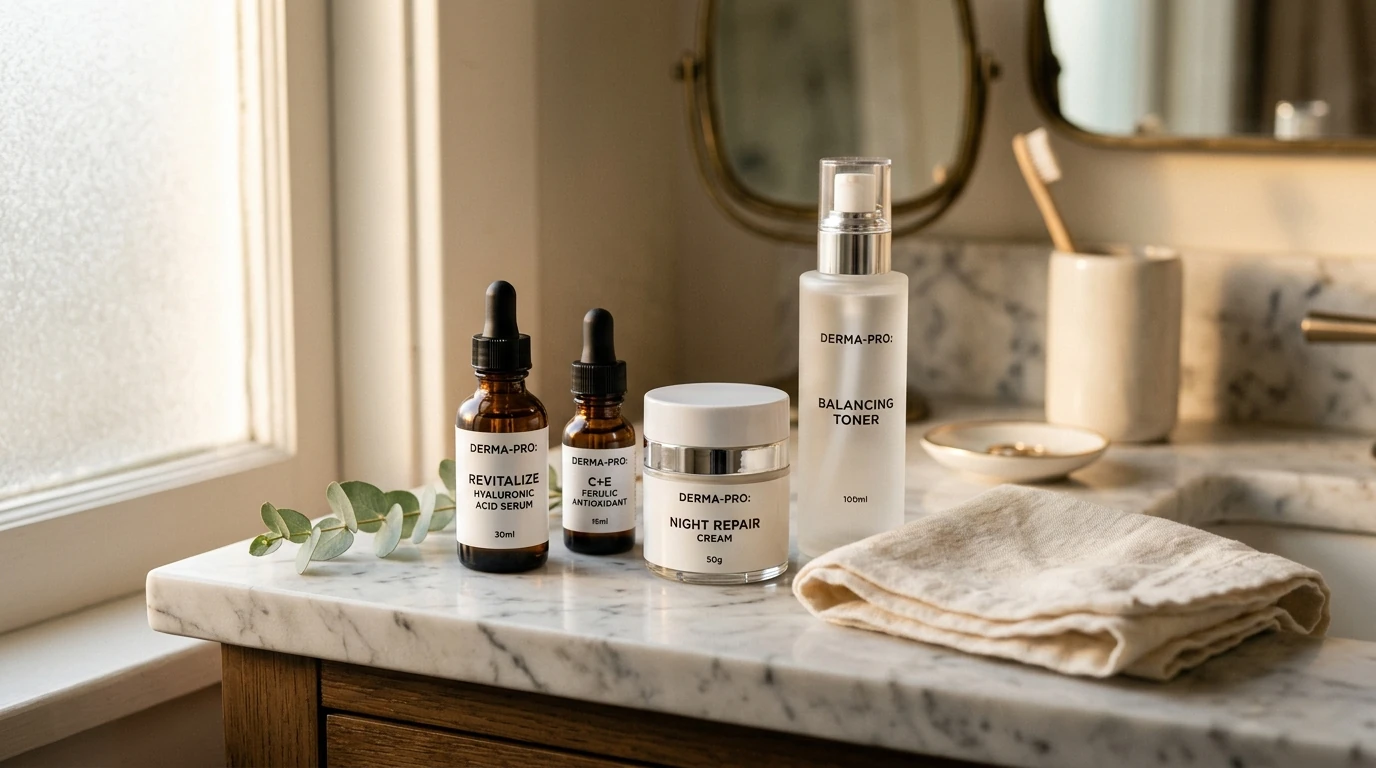
Medical grade skincare refers to products formulated with higher concentrations of active ingredients, clinically tested for efficacy, and typically dispensed through licensed professionals rather than sold on retail shelves. These products penetrate deeper into the skin and deliver measurable results that most over-the-counter options simply can’t match.
If you’ve ever stood in a drugstore aisle, squinting at ingredient labels and wondering why your $15 retinol serum isn’t doing much of anything, you’re not alone. The gap between what mass-market products promise and what they actually deliver is one of the biggest frustrations in skincare. Understanding what separates professional-level formulations from their drugstore counterparts can save you months of trial and error and help you spend your skincare budget where it counts.
What Is Medical Grade Skincare?
Something most skincare articles won’t tell you: “medical grade” isn’t a term regulated by the FDA. There’s no official certification or legal standard a product must meet to carry the label. That said, the term has real meaning in practice. Medical grade products are formulated by physicians or pharmaceutical-grade labs, undergo clinical testing, and contain active ingredients at concentrations high enough to create structural changes in the skin.
The distinction matters because of how these products are designed. Drugstore moisturizers and serums primarily sit on the skin’s surface, working within the outermost layer (the stratum corneum). Medical grade formulations use advanced delivery systems to push active ingredients like retinoids and antioxidants into the deeper layers of the epidermis and even the dermis, where collagen production and cell turnover actually happen.
The Regulatory Gray Area You Should Know About
Medical grade skincare occupies a middle ground between over-the-counter cosmetics and prescription medications. The American Academy of Dermatology notes that an effective skincare routine can start with affordable basics, reserving stronger products for targeted concerns. This is an important distinction. Not every step in your routine needs to be medical grade, and a good aesthetician will tell you that honestly.
Prescription products (like tretinoin or hydroquinone at certain strengths) require a doctor’s order. Medical grade products don’t require a prescription, but they’re formulated at concentrations that benefit from professional guidance. That’s why they’re dispensed through dermatology offices and medical spas rather than Target.
What Actually Makes a Product “Medical-Grade”: By The Numbers
Since there’s no legal definition, what separates a legitimate medical-grade product from a marketing label? Four measurable things:
- Ingredient purity. Medical-grade lines generally target 99% pure active ingredient concentrations. Drugstore formulations often use derivative or blended actives that don’t measure the same on assay.
- Active concentration above OTC ceilings. The FDA’s alpha hydroxy acid consumer guidance notes glycolic acid stays under 10% in cosmetics; medical-grade formulations can go higher. Salicylic acid is capped at 2% for OTC cosmetics, while medical-grade acne treatments may deliver more via prescription-adjacent products. Retinol concentrations in professional lines commonly run 0.5% to 1.0% (versus 0.1% or less at retail).
- Clinical testing on real skin. Real medical-grade brands publish peer-reviewed data on efficacy and irritation profiles. Marketing brands publish “user surveys” and “self-reported improvement.”
- Stable delivery systems. Encapsulated retinol, time-release vitamin C, liposomal peptides, the technology that keeps actives potent from bottle to skin is where medical-grade earns its price.
“Medical-grade” without any of these is just a label. Ask a brand to point to actual clinical data before spending $150 on a serum.
How Medical Grade Differs From Drugstore Skincare
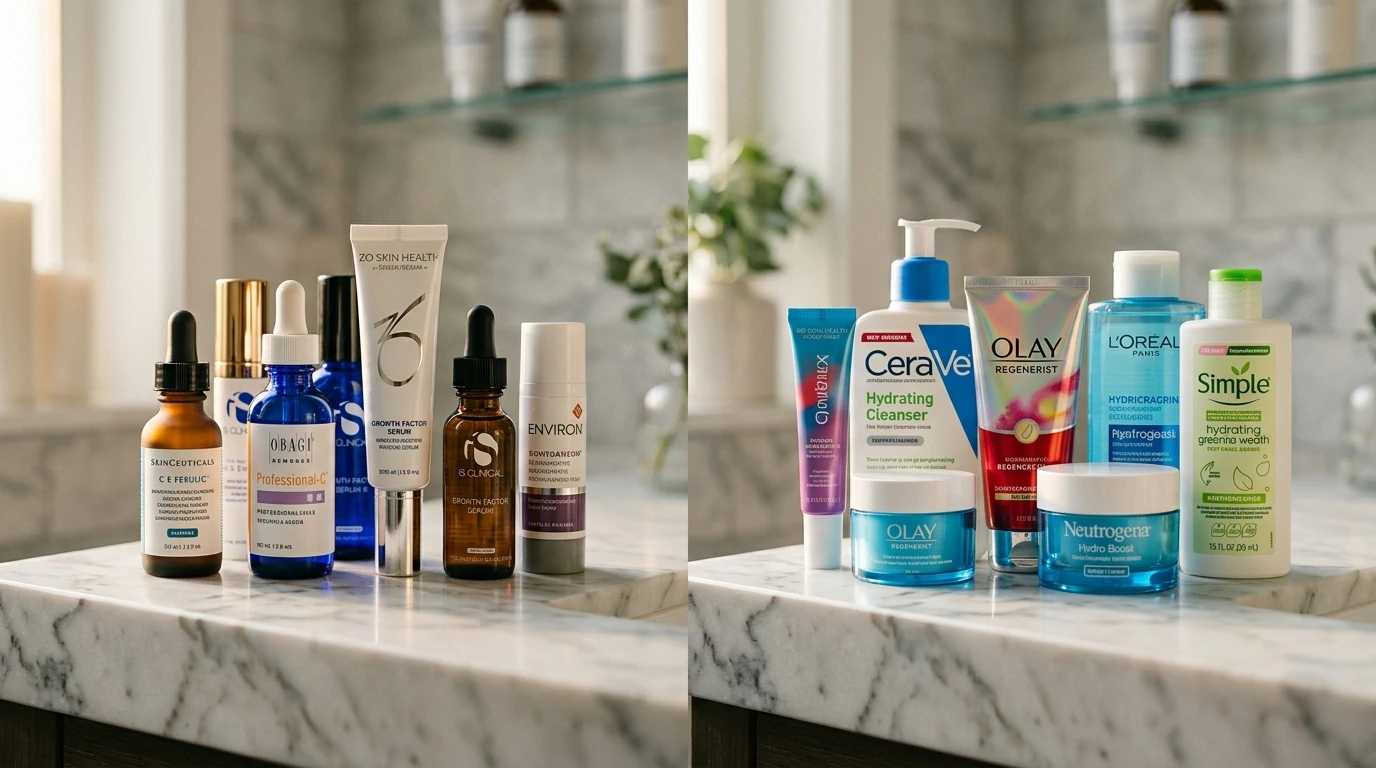
The differences go far beyond packaging and price tags. When you compare medical grade and drugstore skincare side by side, you’ll find meaningful gaps in formulation and results.
| Factor | Medical Grade Skincare | Drugstore Skincare |
|---|---|---|
| Active Ingredient Concentration | Higher, clinically effective levels | Lower, often diluted for mass safety |
| Delivery System | Engineered to penetrate beyond surface | Primarily works on outer skin layer |
| Clinical Testing | Peer-reviewed studies and clinical trials | Basic safety testing, limited efficacy data |
| Professional Guidance | Dispensed with skin assessment | Self-selected off the shelf |
| Price Range | $50–$250+ per product | $5–$40 per product |
| Irritation Risk | Higher (requires proper introduction) | Lower (formulated for general tolerance) |
| Results Timeline | Visible changes in 4–12 weeks | Modest improvement over months, if any |
One common misconception: “higher concentration always means better.” That’s not true. A poorly formulated high-concentration vitamin C serum can oxidize on your shelf and become useless before you finish the bottle. What makes medical grade products worth the investment is the combination of potent actives and stable delivery systems that ensure those actives reach the right skin layers.
Where Drugstore Products Still Make Sense
Not every product in your routine needs to be medical grade. A gentle cleanser and a well-formulated SPF from the drugstore can perform just as well as their pricier counterparts. The “smart upgrade” approach focuses your medical grade investment on treatment products like serums and retinoids, where ingredient concentration and penetration actually matter most.
Realistic Timeline to Visible Results by Skin Concern
One of the fastest ways to feel like medical-grade skincare “isn’t working” is having the wrong expectation about how long it takes. Different concerns respond on different clocks, driven by how quickly skin cells turn over and how deep the target tissue lives. Here’s what to expect if you’re consistent:
| Concern | Primary Active | Timeline to Visible Change | Full Results |
|---|---|---|---|
| Acne and clogged pores | Salicylic acid, benzoyl peroxide, retinoids | 2–4 weeks | 8–12 weeks |
| Hyperpigmentation and melasma | Hydroquinone, tranexamic acid, vitamin C | 6–12 weeks | 3–6 months |
| Fine lines and texture | Retinol/retinoids | 8–12 weeks | 6–12 months |
| Loss of firmness / deep wrinkles | Growth factors, peptides, retinoids | 12+ weeks | 6–12 months |
| Sensitive / compromised barrier | Ceramides, niacinamide, panthenol | 3–6 weeks | 2–3 months |
| Photoaging and sun damage | Broad-spectrum SPF, antioxidants | Prevention starts day one; visible fade 3–6 months | Ongoing |
Skin turnover takes roughly 28 days for younger adults and closer to 45–50 days after age 40, which is why most real changes need multiple cycles before they’re visible in the mirror. If a product promises results in a week, that’s marketing, not skin biology.
Who Benefits From Medical Grade Skincare
Medical grade skincare isn’t only for people with severe skin concerns. Peptides are one of the ingredient classes that set these formulas apart; our primer on what peptides are explains how they work. However, certain groups tend to see the most dramatic difference when they make the switch.
If you’re dealing with persistent acne that hasn’t responded to drugstore salicylic acid or benzoyl peroxide, professional-strength formulations with medical grade retinoids often break through that plateau. For hyperpigmentation and melasma, targeted brightening agents at clinical concentrations can address discoloration that over-the-counter vitamin C serums barely touch.
Fine lines and loss of firmness respond well to growth factor technology and professional retinol protocols. And if you’re investing in professional facial treatments or procedures like microneedling or chemical peels, pairing those treatments with medical grade homecare dramatically extends your results.
People with sensitive or rosacea-prone skin should proceed with caution. Stronger actives mean a higher chance of irritation if products aren’t introduced properly. This is exactly why professional guidance matters.
How to Build a Medical Grade Routine
Building an effective routine doesn’t mean replacing every product overnight. A smart approach phases in medical grade products strategically, starting with the steps where they make the biggest impact. Getting the sequence right matters just as much, so our guide to skincare routine order shows what goes where.
Morning Routine Framework
Your morning routine prioritizes protection and antioxidant defense. Start with a gentle cleanser (drugstore is fine here), then follow with a medical grade vitamin C serum for antioxidant protection. Apply a moisturizer suited to your skin type, and finish with broad-spectrum SPF 30 or higher. The FDA’s consumer guidance on sunscreens explains that broad-spectrum SPF 15 or higher, used daily, is the single best-supported intervention against premature aging and non-melanoma skin cancer.
Evening Routine Framework
Evenings focus on repair and renewal. Double-cleanse if you wear makeup or sunscreen (an oil-based cleanser followed by a gentle face wash). Apply your treatment products: this is where your medical grade retinol or growth factor serum goes. Follow with a hydrating serum or moisturizer to support the skin barrier.
One critical mistake to avoid: layering too many active ingredients at once. Applying a retinoid, an exfoliating acid, and a vitamin C serum in the same evening routine is a recipe for a compromised skin barrier. Alternate your actives and introduce new products one at a time, giving your skin two to four weeks to adjust before adding another.
Introducing Retinoids Safely
Start with two to three nights per week and gradually increase frequency. Some purging (temporary breakouts as skin cell turnover accelerates) is normal during the first few weeks. Persistent redness or burning that worsens rather than improves signals you need to dial back. Pregnant or nursing individuals should avoid retinoids entirely and discuss alternatives with their provider.
Personalize Your Routine by Skin Concern
The morning/evening template above is a starting point. Your actual routine should be tailored to the concern you’re targeting first. A few examples:
- Acne-prone skin: cleanser → salicylic acid toner or pad → lightweight hydrator → SPF (AM); retinoid or benzoyl peroxide (PM alternating nights).
- Hyperpigmentation: cleanser → vitamin C or tranexamic acid serum → moisturizer → SPF (AM, non-negotiable, sun undoes brightening work fast); hydroquinone or retinoid (PM).
- Anti-aging: cleanser → peptide or growth-factor serum → rich moisturizer → SPF (AM); prescription-strength retinoid (PM).
- Sensitive / rosacea-prone: ceramide cleanser → niacinamide serum → barrier-repair moisturizer → mineral SPF (AM); skip actives entirely for 4-8 weeks while barrier rebuilds, then reintroduce slowly.
- Post-procedure recovery: gentle cleanser → growth factor serum → occlusive moisturizer → mineral SPF (AM); no actives (retinoids, acids) until fully healed, typically 5–14 days depending on procedure.
The single biggest mistake is applying an “everything” routine, retinol plus vitamin C plus glycolic acid plus niacinamide, all daily. More is not better with actives. Fewer, more targeted products actually delivered where they need to go beat a five-serum stack that inflames the barrier.
Featured Medical Grade Brands
Not all medical grade lines are created equal. Each brand has a different philosophy and set of hero ingredients. Rather than treating them as interchangeable, think of them as filling different roles in a routine, corrective treatment, regenerative repair, or texture-focused. Here’s an honest look at three lines worth your attention:
ZO Skin Health
Created by Dr. Zein Obagi, ZO Skin Health is one of the most well-known medical grade lines available. Its strength lies in complete skin health protocols rather than individual products. The Getting Skin Ready system (cleanse, exfoliate, tone) creates an optimal canvas for treatment products, and the line’s retinol options range from gentle introductory formulas to aggressive corrective concentrations. If you’re looking at ZO Skin Health products at Coastal, expect a system-based approach to your routine rather than a single hero product.
Plated Skin Science: INTENSE, DAILY, and EYE
Plated Skin Science takes a different approach by harnessing exosome technology derived from human platelets. Their three core products each serve a distinct purpose. INTENSE Serum delivers the highest concentration of their proprietary growth factors for accelerated rejuvenation. DAILY Serum works as an everyday antioxidant and repair product. EYE Serum targets the delicate periorbital area where fine lines and dark circles appear first.
What makes Plated stand out is the science behind its formulation. The growth factors in these Plated Skin Science serums are particularly effective as post-procedure support, pairing well with treatments like HydraFacials and microneedling.
SkinBetter Science
SkinBetter Science focuses on next-generation ingredient technology, particularly their AlphaRet compound, which combines a retinoid and an alpha hydroxy acid in a single molecule. The result is retinol-level improvement with significantly less irritation. This makes SkinBetter an excellent option for people who’ve struggled with retinol sensitivity in the past. The line is smaller and more curated than ZO, which some people prefer. Fewer choices means less decision fatigue.
How to Spot a Legitimately Medical-Grade Product (and Skip the Hype)
Because “medical-grade” isn’t a regulated term, retail shelves and Instagram are full of products borrowing the label. A quick checklist to separate real from marketing:
- Published clinical data. Ask (or search): can you find peer-reviewed studies of this product or its key active? Real medical-grade brands publish on PubMed.
- Full ingredient concentrations disclosed. Not just “contains retinol”, actual percentages. Brands that don’t disclose are usually below efficacy thresholds.
- Sold through licensed professionals. Available at dermatology offices, plastic surgery clinics, and medical spas, not on Amazon or in grocery stores. That’s the distribution model, and it’s how quality control is maintained.
- Dermatologist- or physician-developed with credentials on the record. Not “influencer-recommended.” Look for MDs or PhDs actually behind the formulation.
- Reasonable claims. “Reduces the appearance of fine lines over 12 weeks with consistent use” is realistic. “Erases wrinkles in 7 days” is not skin biology.
- Product packaging that preserves actives. Opaque or airless containers protect light- and air-sensitive actives like retinol and vitamin C. Jars with wide openings and clear packaging accelerate degradation.
If a brand can’t check most of these boxes, “medical-grade” on the label is just marketing.
Are Medical-Grade Products Worth the Cost?
Medical-grade skincare typically runs $50 to $250+ per product versus $5 to $40 for drugstore. That’s a real gap, and it’s worth being honest about when the price is justified and when it isn’t.
The premium usually pays off for:
- Treatment products with active ingredients you’re relying on for a specific result (retinoids, brightening agents, growth factors)
- Post-procedure care (after microneedling, chemical peels, laser), the barrier is compromised and needs medical-grade support
- Chronic, stubborn concerns (melasma, adult acne, deep wrinkles) that drugstore options have already failed to address
- People who want fewer products, not more, one well-formulated serum can replace three OTC ones
The premium is usually NOT necessary for:
- Basic cleansers, a gentle drugstore cleanser (CeraVe, La Roche-Posay) performs identically
- Daily sunscreen, plenty of excellent drugstore SPFs
- Simple hydrators and body moisturizers
A cost-per-use calculation often changes the picture: a $150 medical-grade retinol used nightly for six months costs about $0.83 per night. A $30 drugstore retinol used similarly costs $0.17, but if it isn’t effective, the “savings” don’t matter. The real question isn’t cheap vs. expensive; it’s whether the product actually solves your concern.
Why Working With a Professional Matters
The medical grade skincare market is projected to reach USD 198.74 billion globally by 2032, according to 360iResearch. That rapid growth means more products, more brands, and more noise. Navigating it alone often leads to wasted money and frustrated skin.
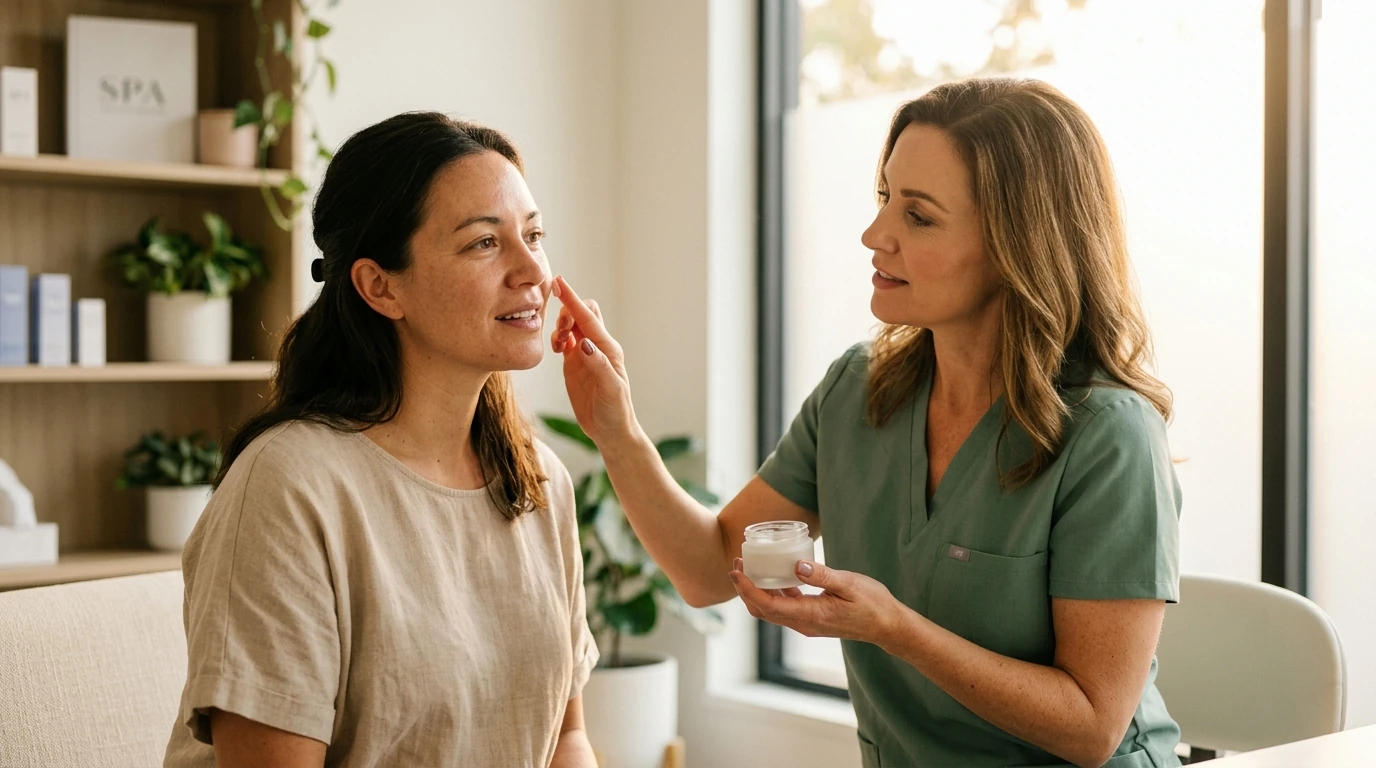
A licensed aesthetician evaluates your skin type, concerns, and lifestyle before recommending products. Jacksonville’s humidity and sun exposure, for example, influence everything from moisturizer weight to SPF requirements. At Coastal Health & Medical Spa, Danielle Hancock, a Licensed Aesthetician and ZO Skin Health Expert Certified professional, curates personalized skincare regimens based on individual skin assessments rather than one-size-fits-all recommendations.
Working with a professional also means someone monitors your progress and adjusts your routine as your skin changes. That retinol that made you flake in January might need to be swapped for a stronger formula by summer, or vice versa. This ongoing relationship is something no drugstore shelf can offer.
Coastal carries all three brands discussed above and offers savings through their membership program. If you’re specifically prepping for a big event, our bridal facial guide shows how medical-grade skincare fits into a longer timeline. A Coastal membership provides 10% off skincare with the Classic tier and 15% off with Deluxe, making it easier to maintain a medical grade routine long-term without the sticker shock.
Your Skin Deserves a Smarter Approach
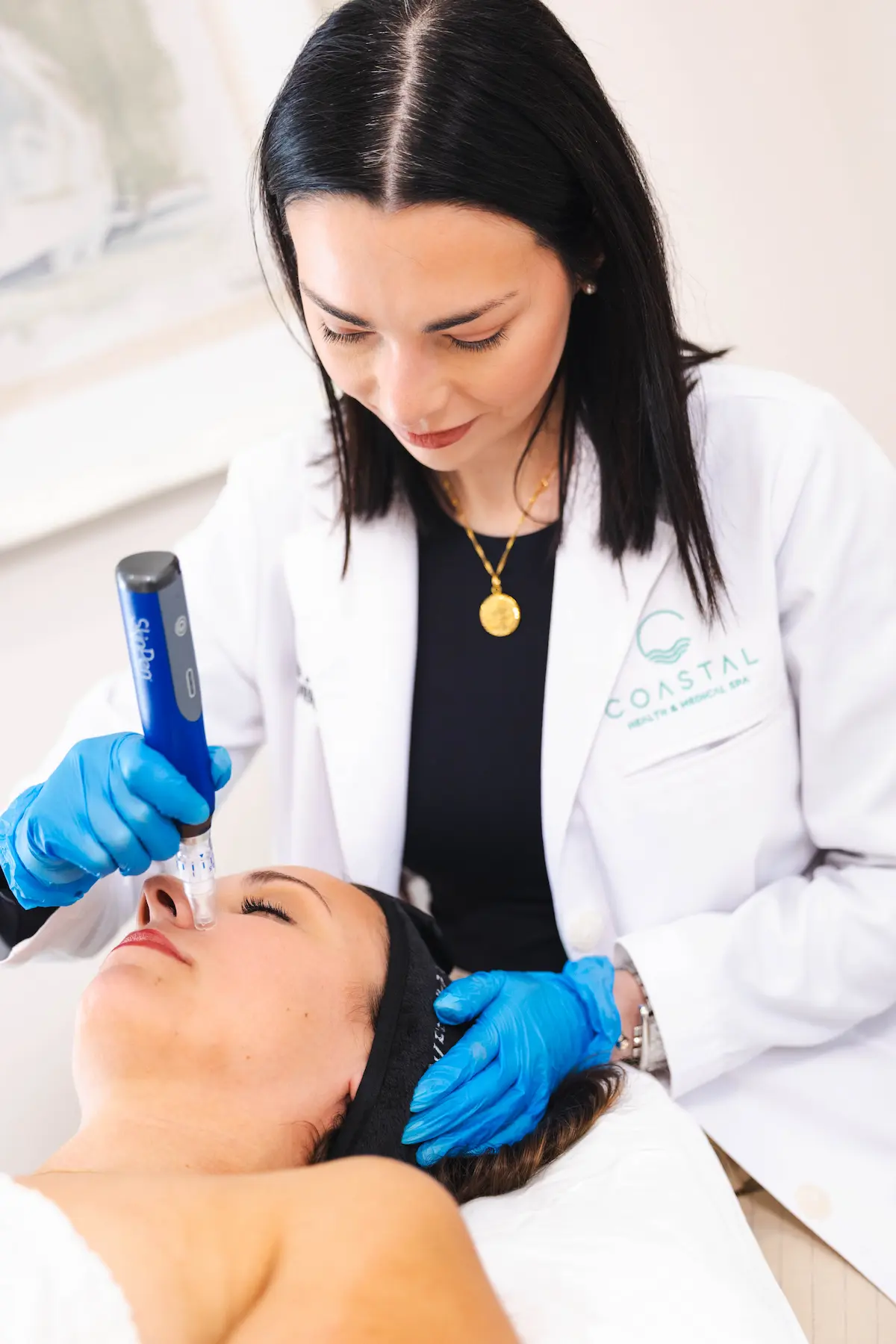
Medical grade skincare isn’t about spending the most money possible on your bathroom shelf. It’s about investing strategically in the products and steps that deliver real, measurable changes, while being honest about where drugstore options work just fine. The key is knowing the difference and having a professional in your corner to guide those decisions.
If you’re ready to stop guessing and start seeing the results your skin is capable of, book a skincare consultation with Danielle Hancock at Coastal Health & Medical Spa. She’ll assess your skin, build a regimen tailored to your goals, and help you invest your skincare budget where it actually matters. Schedule your consultation today. You can also learn more about the Coastal team or reach our Jacksonville office directly with questions.
Frequently Asked Questions
What is the difference between medical-grade and over-the-counter skincare?
Medical-grade skincare uses higher concentrations of clinically tested actives, more advanced delivery systems, and is dispensed through licensed professionals rather than retail shelves. Drugstore products are formulated for broad tolerance at lower concentrations. The practical difference: medical-grade products drive measurable structural change in the skin (collagen, pigment, texture), while drugstore products mostly hydrate and protect the surface.
Is medical-grade skincare worth the price?
For treatment products (serums, retinoids, growth factors, brightening agents), yes, the ingredient concentration and formulation stability meaningfully outperform drugstore equivalents. For basics like a gentle cleanser and daily sunscreen, drugstore options work just as well. The smart approach invests in medical-grade where results depend on penetration and potency, and saves on the routine steps where they don’t.
What are the best medical-grade skincare brands?
Three brands consistently lead the medical-grade market and are carried at Coastal Health & Medical Spa: ZO Skin Health (system-based protocols, complete regimens, founded by Dr. Zein Obagi), Plated Skin Science (exosome technology with INTENSE, DAILY, and EYE serums), and SkinBetter Science (patented AlphaRet compound combining retinoid and AHA in one molecule with less irritation).
Do you need a prescription for medical-grade skincare?
No, medical-grade skincare doesn’t require a prescription in the way tretinoin or hydroquinone above certain strengths do. Medical-grade sits between OTC cosmetics and prescription drugs, it’s dispensed through licensed professionals (medical spas, dermatology offices) so that the higher active concentrations are introduced safely with skin assessment and guidance, but it’s not federally scheduled as prescription-only.
How long should I use a medical-grade product before deciding it is not working?
Give most treatment products a consistent 8 to 12 weeks unless you experience ongoing stinging or worsening irritation. If progress stalls, the issue is often dosage, product pairing, or barrier compromise rather than the category itself. A quick check-in with your aesthetician can catch adjustments most people miss.
How do I know my skin barrier is compromised, and what should I do first?
Common signs include persistent tightness, burning with bland products, and sudden sensitivity. Focus on barrier-support basics (gentle cleanser, bland moisturizer, daily sunscreen) and reintroduce actives only after symptoms calm.
How should I store medical-grade skincare to keep it effective longer?
Store products away from heat and direct light, and keep lids tightly closed to limit oxidation. For formulas that discolor or change texture over time, follow the brand guidance and replace them if performance or smell changes noticeably. Vitamin C serums are particularly prone to oxidation and often perform best kept somewhere cool and dark.
