If you’ve spent any time in a med spa lately, you’ve probably heard about Letybo; the newest neurotoxin to land on U.S. menus and the one quietly cutting into Botox’s decades-long reign. It earned FDA approval somewhat recently and clinics across the country have been adding it to their injectable lineups ever since.
This guide answers exactly what Letybo is, how it compares to Botox and other neurotoxins, what results to expect, and what it actually costs. You’ll leave with a clear sense of whether Letybo deserves a place in your skincare strategy or whether sticking with the classics still makes more sense for your specific goals.
What Is Letybo?
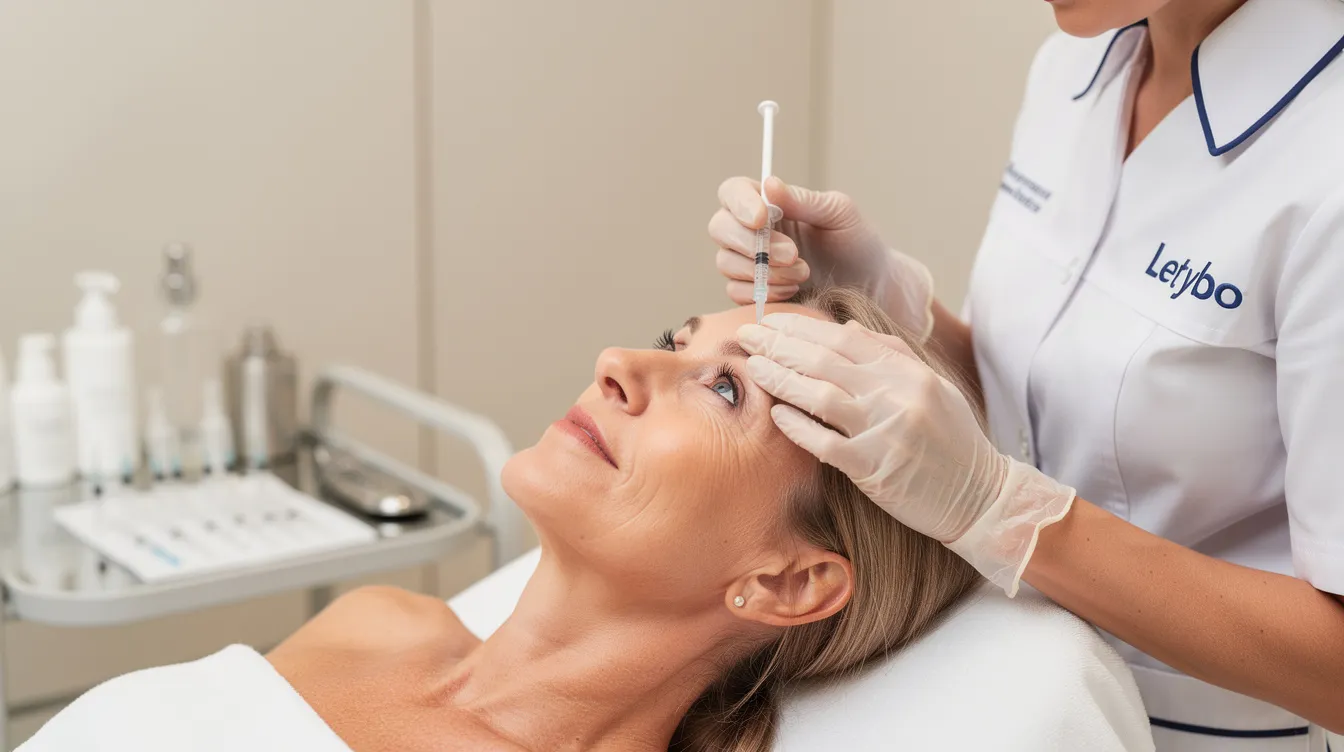
Letybo (letibotulinumtoxinA-wlbg) is an FDA-approved botulinum toxin type A injectable used to temporarily smooth moderate-to-severe glabellar lines, the vertical “11” lines between your eyebrows. Its active ingredient is a purified neurotoxin. It’s manufactured by Hugel, a South Korean pharmaceutical company that has produced this same formulation for the international market since 2010, with FDA approval granted in 2024 for moderate-to-severe glabellar lines in U.S. patients.
Letybo is currently the #1-selling botulinum toxin in South Korea, with more than 31 million procedures performed worldwide before its U.S. debut. Letybo contains only the active neurotoxin, without accessory proteins, which may impact efficacy and safety. It is considered a promising alternative to Botox for both cosmetic and therapeutic uses. In addition to cosmetic applications, Letybo is also used therapeutically for conditions such as hyperhidrosis, muscle spasticity, and chronic migraines. That extensive global track record is part of why providers and patients have been so quick to adopt it once it cleared FDA review.
How Letybo Works at the Muscle Level
How does Letybo work? Like other neuromodulators, Letybo works by blocking the release of acetylcholine — the neurotransmitter responsible for telling muscles to contract. When that signal is interrupted at the injection site, the targeted facial muscles temporarily relax, reducing wrinkles and resulting in smoother skin. This process helps to temporarily improve the appearance of dynamic wrinkles formed by repeated movement (frowning, squinting, concentrating).
According to the American Board of Cosmetic Surgery, Letybo works by blocking nerve signals in the injected muscles, which in turn prevents the muscles from contracting. The effect is highly localized — only the muscles directly treated relax, while surrounding muscles continue to function normally, providing a temporary improvement in the appearance of dynamic wrinkles.
What Makes Letybo’s Formulation Different
Letybo contains only the active neurotoxin as its active ingredient, making it a high-purity botulinum toxin type A formulated without complexing proteins. Botox, by contrast, contains accessory proteins around its active toxin. Clinical data indicates that Letybo’s formulation allows for a more concentrated diffusion pattern, which affects how the product spreads and supports natural, refined outcomes in wrinkle reduction treatments. The clinical relevance of this difference is debated, but some providers and patients report fewer immune-response concerns with high-purity formulations over time, especially for people who’ve developed reduced response to traditional Botox after years of use.
Letybo vs. Botox: Side-by-Side Comparison
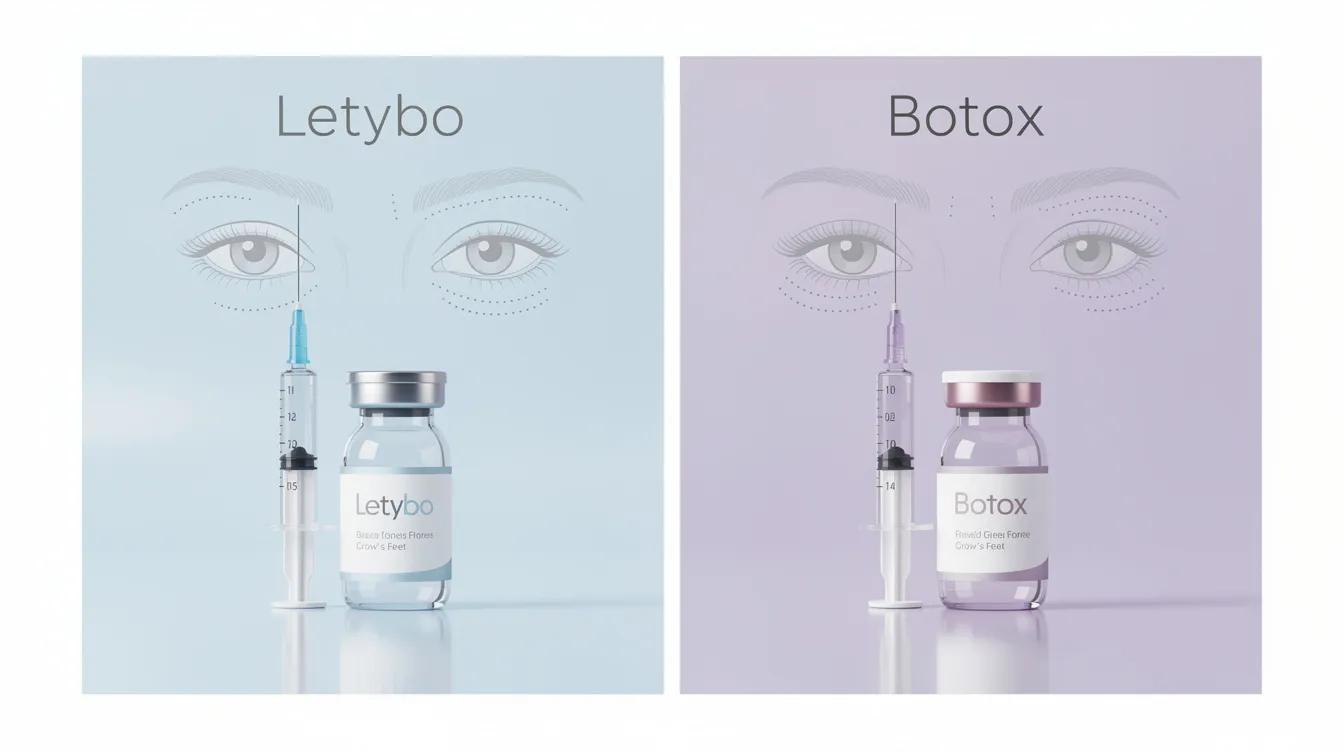
The most common question patients ask is how Letybo stacks up against Botox. Here’s a direct comparison of the factors that matter most when deciding between them.
| Factor | Letybo | Botox |
|---|---|---|
| Manufacturer | Hugel (South Korea) | AbbVie (Allergan) |
| FDA cosmetic approval | March 2024 | 2002 |
| FDA-approved use | Glabellar (frown) lines only, currently | Multiple cosmetic + therapeutic uses |
| Onset of effect | 2 to 3 days | 3 to 5 days |
| Full results visible | 7 to 10 days | 10 to 14 days |
| Duration of results | 3 to 4 months | 3 to 4 months |
| Formulation | High-purity, no complexing proteins | Includes accessory proteins |
| Typical units (glabellar) | ~25 units | ~25 units |
| Cost per unit (industry range) | $9 to $12 | $12 to $18 |
Clinical studies have shown that Letybo provides visible improvement within 2-3 days post-injection, while Botox results develop over 3-5 days, with full effects for both products seen in about 10-14 days. For a full side-by-side on cost, FDA approval, dosing, and results, see our Letybo vs Botox comparison.
The headline takeaway: Letybo and Botox produce very similar and consistent results at very similar dosing, but Letybo tends to have a faster onset and cost slightly less per unit. Clinical data and clinical studies support Letybo’s efficacy, with a Phase III trial showing significant improvement in 78.6% of patients within four weeks. Patients may prefer Letybo for its potentially faster onset and softer, more natural appearance, while Botox is often chosen for its long-standing reputation and predictable outcomes. For patients who’ve been using Botox for years and want to try something new, or for first-timers looking for an entry-priced neurotoxin, Letybo is a legitimate alternative.
How Long Does Letybo Last?
Most patients see Letybo’s effects begin within 2 to 3 days of injection, with peak results visible by day 7 to 10 as results develop. Results then last approximately 3 to 4 months, comparable to how long Botox lasts, before muscle activity gradually returns and treatment is repeated. To maintain wrinkle reduction, repeat treatments are necessary as the effects fade over time.
Per FDA prescribing guidance, Letybo should be administered no more frequently than every three months. That spacing isn’t arbitrary, it gives the muscle time to recover and reduces the small risk of building antibody resistance to the toxin over time.
Individual results vary based on:
- Metabolism and muscle activity: patients with stronger glabellar muscles may metabolize the toxin faster
- Dose: under-dosing leads to shorter results; properly dosed treatments hold longer
- Treatment history: patients new to neurotoxins may notice different durations than long-time Botox users
- Lifestyle factors: sun exposure, smoking, and high-intensity exercise can shorten effective duration
Why Is Letybo So Affordable Compared to Botox?

Industry pricing analyses consistently show Letybo coming in $3 to $6 cheaper per unit than Botox at most U.S. clinics. With a typical glabellar treatment using around 25 units, that adds up to $75 to $150 in savings per session; meaningful for patients who treat regularly every 3 to 4 months.
A few factors drive the price gap:
- Manufacturing scale: Hugel has produced this formulation at scale for the South Korean and international markets for over a decade, allowing efficient production and lower per-unit costs.
- Distribution model: Hugel’s batching and distribution structure can be less expensive for clinics to stock, with savings passed through to patients.
- Newer market position: as a U.S. market entrant, Letybo is priced competitively to win share from established neurotoxins like Botox and Dysport.
Note on pricing: The ranges above reflect typical U.S. industry figures for planning purposes only. They do not represent Coastal Health & Medical Spa’s current pricing. Contact our team for up-to-date rates on Letybo, Botox, and Dysport.
What to Expect During a Letybo Treatment
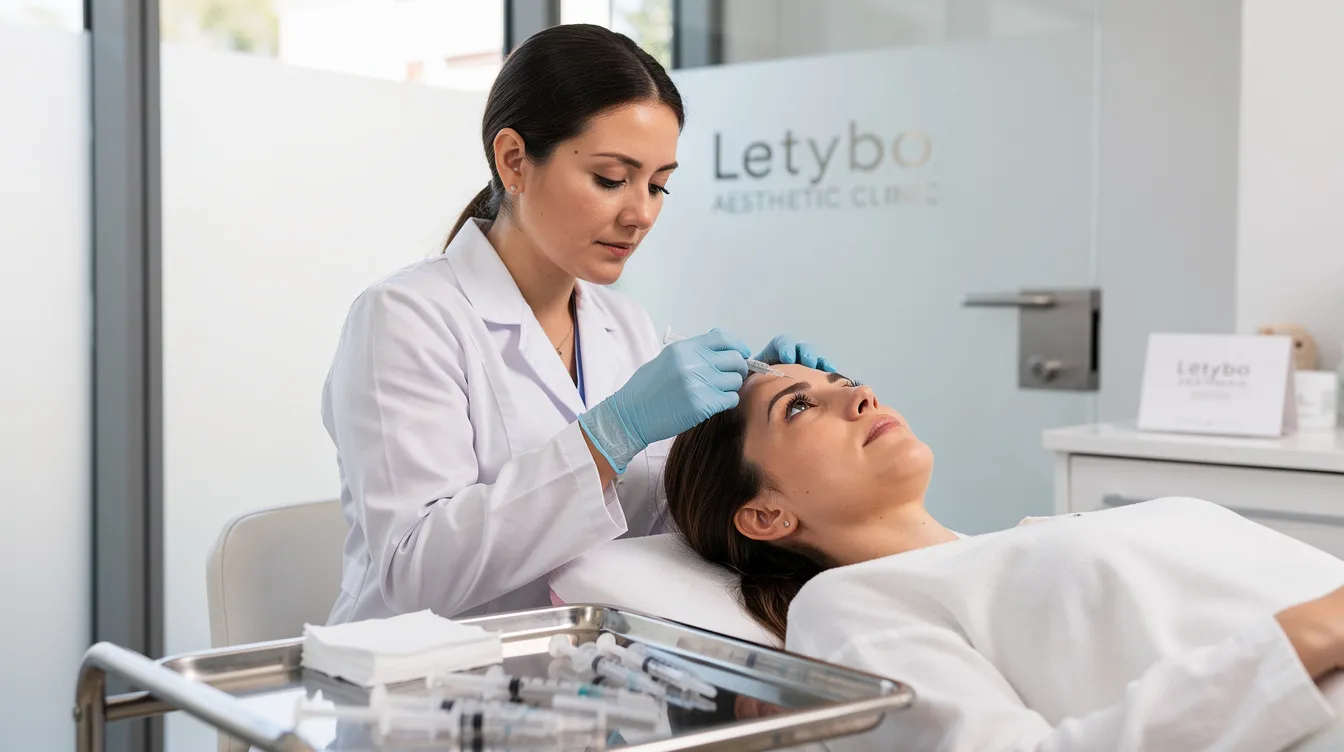
Letybo appointments are quick; typically 10 to 15 minutes from start to finish. The actual injections take only a few minutes once your provider has cleansed the treatment area and marked the injection points.
A typical treatment looks like this:
- Consultation and assessment: your provider evaluates muscle strength, baseline movement, and your aesthetic goals. This includes a thorough assessment of your facial anatomy, facial structure, and expression patterns to create a personalized treatment plan that preserves natural movement. Evaluating your skin health is also part of the assessment to optimize results.
- Cleansing and marking: the treatment area is cleansed with alcohol, and injection points are marked.
- Injections: using a fine needle, your provider delivers small, precise doses into the targeted glabellar muscles. Most patients describe the sensation as a quick pinch or pressure.
- Cleanup and aftercare review: your provider goes over post-treatment instructions and answers any questions.
There’s no downtime in the traditional sense. You can return to most normal activities right away, with a few exceptions covered in the aftercare section below.
How to Prepare for Letybo
Pre-treatment preparation for Letybo mirrors prep for any neurotoxin — minimizing bruising and ensuring your provider has all the information needed to dose accurately. The same protocols outlined in our Botox preparation guide apply to Letybo.
In the Week Before Your Appointment
- Avoid blood-thinning medications and supplements (aspirin, ibuprofen, fish oil, vitamin E, ginkgo, garlic supplements) for 5 to 7 days, unless prescribed
- Limit alcohol for 24 to 48 hours before treatment to reduce bruising risk
- Disclose all medications and any history of cold sores, neuromuscular conditions, or prior reactions to botulinum toxin
- Skip facial waxing or aggressive exfoliation in the treatment area for at least 3 days
Day-of Tips
- Arrive with a clean face; no makeup, sunscreen, or moisturizer in the treatment area
- Eat a normal meal beforehand; injections on an empty stomach can amplify lightheadedness
- Hydrate well in the 24 hours before treatment
- Plan to skip strenuous workouts for the rest of the day
Letybo Aftercare and Recovery
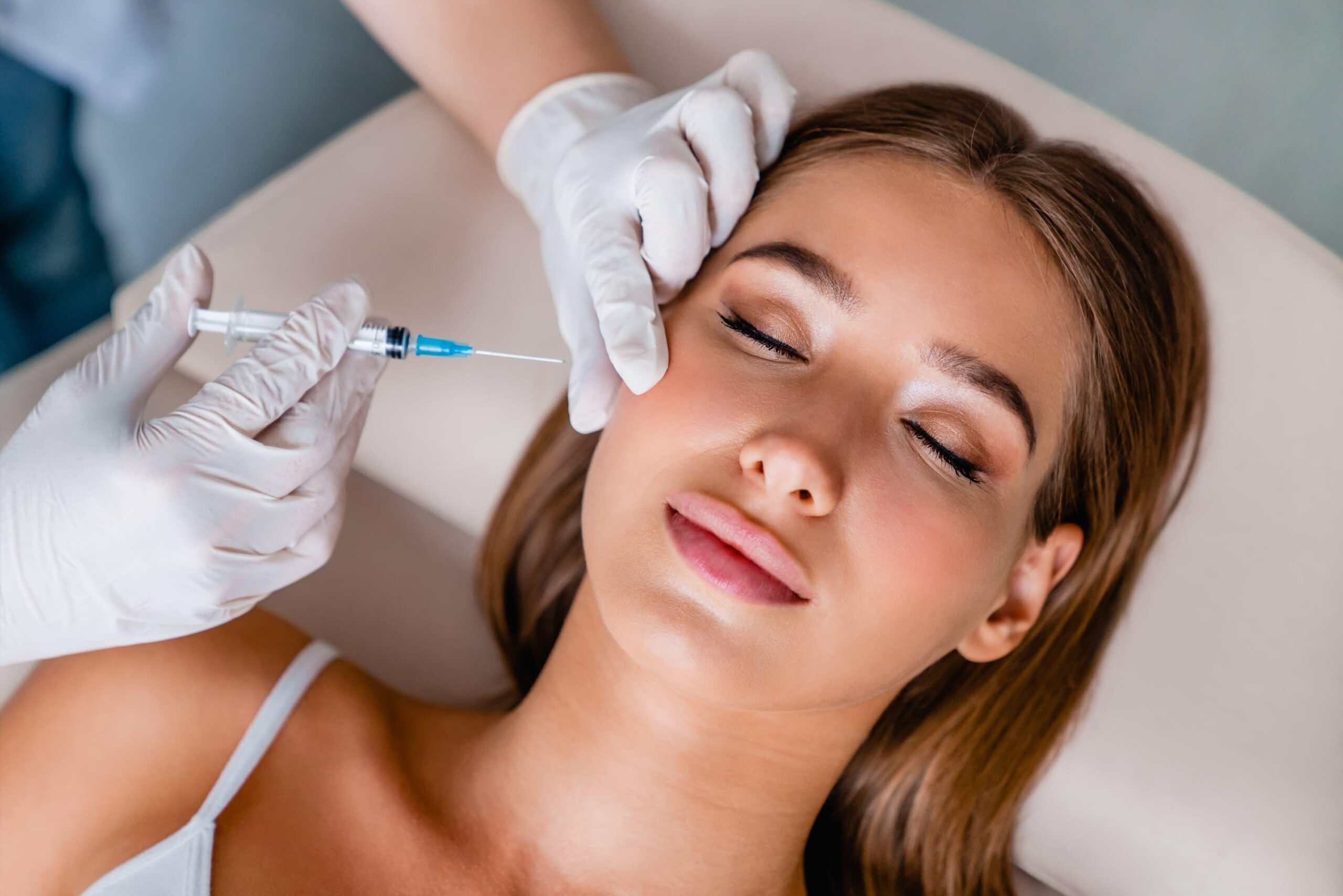
Letybo aftercare is straightforward but the first 24 hours matter for protecting how the toxin settles into the targeted muscles. Following these instructions helps prevent the product from migrating to nearby muscle groups, which is the cause of most cosmetic complications.
First 4 Hours
- Stay upright; no lying flat or face-down
- Do not rub, massage, or apply pressure to the treatment area
- Skip skincare products and makeup application on the treated zones
- Avoid bending forward repeatedly
First 24 Hours
- No vigorous exercise, hot yoga, or activities that significantly increase blood flow to the face
- Skip saunas, steam rooms, and very hot showers
- Avoid alcohol
- Sleep on your back if possible, with your head slightly elevated
First Week
- Hold off on facial massages, microneedling, peels, or laser treatments in the treatment area for at least 1 to 2 weeks
- Light makeup is fine after 24 hours; apply gently with clean tools
- Mild bruising or pinpoint redness can last 2 to 5 days; arnica gel and gentle cold compresses can help
Side Effects and Safety Profile
Letybo’s safety profile is similar to other FDA-approved neurotoxins and consistent with other wrinkle relaxers. Common side effects include slight redness, swelling, or tenderness at the injection site, which are temporary and typical for wrinkle relaxers. Most side effects are mild, localized, and resolve within a few days. Rare but possible side effects include headache or drooping eyelids (ptosis), which generally resolve over time. Letybo has undergone extensive clinical trials globally and in the U.S., demonstrating a low incidence of adverse effects consistent with other botulinum toxin products.
Common Side Effects
- Mild injection-site pain, redness, or swelling
- Small bruises at injection points
- Temporary headache (typically resolves within 24 to 48 hours)
- Mild flu-like symptoms in rare cases
- Brief tightness in the forehead as the muscle relaxes
Less Common Risks
- Brow or eyelid heaviness if product migrates to nearby muscles (usually resolves within 4 to 6 weeks as the toxin wears off)
- Asymmetric results — corrected with a small touch-up at the 2-week follow-up
- Reduced response over time in patients who develop antibodies (rare)
Letybo is contraindicated for patients with active skin infections at the injection site, known hypersensitivity to botulinum toxin, neuromuscular disorders (myasthenia gravis, Lambert-Eaton syndrome, ALS), and during pregnancy or breastfeeding. Always disclose your full medical history during consultation.
Who Is a Good Candidate for Letybo?
Letybo is FDA-approved for adults seeking temporary improvement of moderate-to-severe glabellar lines. For patients seeking neck-band or jawline contouring via the Nefertiti lift, traditional Botox or Dysport remains the more common choice until Letybo’s FDA indications expand to include lower-face applications. Within that group, certain patients tend to be especially strong candidates:
- First-time neurotoxin patients who want to start with a competitively-priced, well-tolerated option
- Patients switching brands after years of Botox or Dysport use, especially those who feel their previous product is becoming less effective
- Patients prioritizing natural-looking results when properly dosed, Letybo preserves enough muscle activity to maintain expression
- Preventive treatment candidates in their late 20s and 30s looking to slow the formation of dynamic wrinkles before they become static
- Cost-conscious patients who maintain a regular treatment cadence and benefit from the per-unit savings over time
Letybo is not the right choice for patients seeking treatment in areas not yet FDA-approved (forehead horizontal lines, crow’s feet, masseter, neck bands), patients with neuromuscular conditions, or anyone pregnant or nursing. For broader treatment areas, traditional Botox or Dysport may be the better fit until Letybo’s FDA-approved indications expand.
Letybo vs. Other Neurotoxins (Dysport, Xeomin, Jeuveau)
Botox isn’t Letybo’s only competition. Letybo is one of several neuromodulator treatments and other botulinum toxin products available for wrinkle reduction. The U.S. neurotoxin market includes four other FDA-approved botulinum toxin type A products, each with subtle differences in onset, spread, and ideal use cases.
Letybo vs. Dysport
Dysport tends to onset faster than Botox (often 2 to 3 days, similar to Letybo) and spreads more across treated muscle groups, making it popular for larger areas like the forehead. Letybo’s onset is comparable, but Dysport’s broader spread can be either an advantage (efficient for large zones) or a drawback (less precise control). For more on Dysport specifically, see our complete Botox vs. Dysport guide.
Letybo vs. Xeomin
Xeomin shares Letybo’s high-purity formulation — both are stripped of complexing proteins. Xeomin has been on the U.S. market longer and has FDA approval for additional uses, but Letybo’s per-unit pricing is typically lower.
Letybo vs. Jeuveau
Jeuveau (“Newtox”) was specifically developed for cosmetic use and is positioned similarly to Letybo as a Botox alternative at a slightly lower price point. Both are FDA-approved for glabellar lines only. The choice between them often comes down to provider experience and which product their clinic stocks.
Letybo vs. Dermal Fillers: An Important Distinction
Patients new to injectables sometimes confuse neurotoxins like Letybo with dermal fillers. They’re fundamentally different treatments solving different problems:
- Letybo (and other neuromodulator treatments, also known as wrinkle relaxers) work by relaxing muscles to soften dynamic wrinkles caused by movement (frowning, squinting, smiling), reducing the appearance of these lines on the skin’s surface.
- Dermal fillers add volume to soften static wrinkles, plump features, and restore lost facial volume.
Many patients use both. Letybo to prevent expression lines from deepening, fillers to restore volume in cheeks, lips, or under-eye areas. A consultation will help determine which (or both) suit your goals.
Coastal’s Approach to Letybo in Jacksonville
At Coastal Health & Medical Spa, every Letybo treatment begins with a thorough consultation that includes a muscle-strength assessment, review of your aesthetic goals, and an honest conversation about whether Letybo, Botox, or Dysport is the better fit for your specific concerns and budget. We don’t push one neurotoxin over another; we match the product to the patient.
Our injectors take a conservative-first approach: starting with appropriate dosing for your muscle strength and goals, scheduling a 2-week follow-up to assess results, and adjusting at that point if needed. That sequence consistently produces natural-looking outcomes that preserve expression rather than freezing it.
Ready to find out whether Letybo is right for your skin and your goals? Learn more about our Letybo treatments at Coastal Health & Medical Spa in Jacksonville, FL, our team will walk through your options, answer your questions, and build a treatment plan tailored to your face.
Frequently Asked Questions
Q: Is Letybo better than Botox?
A: Neither is universally better. They’re more similar than different. Letybo onsets slightly faster (2-3 days vs 3-5 days for Botox), costs less per unit, and uses a high-purity formulation without complexing proteins. Botox has 20+ years of U.S. clinical history and FDA approval for many more areas. For first-line glabellar treatment, both work well.
Q: Why is Letybo so cheap?
A: Letybo is priced lower per unit because Hugel manufactures it at scale for the global market, distributes it efficiently, and prices competitively as a U.S. market newcomer. Industry analyses put Letybo at roughly $9-$12 per unit versus $12-$18 for Botox — a real but modest savings, not a sign of inferior quality.
Q: Does Letybo last as long as Botox?
A: Yes. Both Letybo and Botox typically last 3 to 4 months, with individual variation based on metabolism, dose, treatment history, and lifestyle. The FDA recommends spacing Letybo treatments at least 3 months apart to allow muscle recovery and minimize antibody-resistance risk.
Q: How much is Letybo vs Botox?
A: Per-unit pricing typically runs $9-$12 for Letybo versus $12-$18 for Botox at U.S. clinics. A standard glabellar treatment uses around 25 units, putting Letybo in the $225-$300 range and Botox in the $300-$450 range. Coastal’s exact pricing varies; contact our team for current rates.
Q: Can I switch to Letybo if I’ve been using Botox for years?
A: Yes, switching from Botox to Letybo is safe and common. Many long-term Botox patients try Letybo specifically to see if the high-purity formulation reduces the diminishing-response some report after years of treatment. Wait until your previous Botox has fully worn off (3-4 months) before your first Letybo session.
Q: Where on the face can Letybo be used?
A: Letybo’s current FDA approval covers only moderate-to-severe glabellar (frown) lines between the eyebrows. Some providers use it off-label for forehead and crow’s feet, but for those areas, FDA-approved Botox or Dysport is typically the safer first choice until Letybo’s indications expand.
Q: Is Letybo safe for first-time injectable patients?
A: Yes. Letybo is a strong entry-point neurotoxin for first-timers. Its lower per-unit cost lowers the financial risk of trying injectables, and its 2-3 day onset gives patients faster feedback on results. As with any injectable, choose a board-certified or physician-supervised provider for your first treatment.
