Most people spend more time researching which chemical peel to book than figuring out how to prepare for a chemical peel. That’s a problem. The two or three weeks before your appointment matter just as much as the treatment itself, and skipping prep is the fastest way to end up with uneven results, prolonged redness, or worse. Proper preparation not only prevents complications but also maximizes improvements in your skin’s appearance, helping you achieve smoother texture, even tone, and a more radiant look.
This guide walks you through everything you need to do before your appointment, organized by a clear timeline so nothing falls through the cracks. You’ll learn exactly which products to stop, which habits to adjust, and what to do the morning of your peel to set yourself up for the smoothest possible experience.
Chemical Peel Prep at a Glance
To maximize results and minimize risks, prepare your skin with these six essential steps:
- 4 weeks before: Start SPF 30+ daily and begin any priming products your provider prescribes (tretinoin, hydroquinone, low-concentration glycolic).
- 2 weeks before: Stop retinoids, AHAs, BHAs, vitamin C serums, scrubs, waxing, and depilatory creams.
- 1 week before: Avoid prolonged sun exposure, tanning, and any new products. Stick to a gentle cleanser + ceramide moisturizer.
- Day before: Sleep well, hydrate, and skip makeup or heavy skincare.
- Day of: Arrive with clean bare skin — no makeup, SPF, serums, or moisturizer.
- Medications to flag at consult: tretinoin, Accutane/isotretinoin (past year), photosensitizing antibiotics, blood thinners, and cold sore history.
What a Chemical Peel Actually Does to Your Skin
A chemical peel involves applying a chemical solution to the skin’s surface, which removes the top layers of skin to reveal new skin underneath. This process promotes skin regeneration and improves overall skin texture, making it smoother and more youthful. Chemical peels can be performed at different depths—light, medium, and deep—each addressing specific skin concerns and requiring varying recovery times.
Superficial peels use milder acids like glycolic or salicylic acid and involve minimal downtime. Medium-depth peels, such as TCA or combination peels like the Perfect Derma Peel, reach deeper and require more recovery time but deliver more significant improvements in texture, tone, and fine lines.
Why Skipping Prep Puts Your Results at Risk
Your skin’s barrier function determines how evenly and safely the acid penetrates. If that barrier is compromised by sunburn, sensitizing products, or dehydration, the peel solution absorbs unevenly. The result? Patchy peeling, prolonged inflammation, or post-inflammatory hyperpigmentation (PIH).
According to data published in the Indian Journal of Dermatology, Venereology & Leprology, patients should apply a priming regimen including broad-spectrum sunscreen, hydroquinone, and tretinoin for 2 to 4 weeks before their scheduled peel. That’s not a suggestion. It’s a clinical standard designed to minimize complications and improve outcomes.
Preparation also gives your provider a clearer picture of how your skin responds to active ingredients before the peel itself, which reduces guesswork on treatment day.
How to Prepare for a Chemical Peel: Your Step-by-Step Timeline

Not everything needs to change overnight. The key is starting early enough that your skin has time to adjust. Following a proper skin care routine—including keeping your skin moisturized in the days before your chemical peel—is essential for optimal results, as well-hydrated skin allows for easier exfoliation during the treatment. Here’s what to do at each milestone leading up to your appointment.
Four Weeks Before Your Peel
This is when the real prep begins. Schedule your consultation if you haven’t already, because your provider may prescribe a specific priming protocol based on your skin type and peel depth. Start wearing SPF 30 or higher every single day, even on cloudy days, even if you work indoors near windows.
If your provider recommends a priming agent like tretinoin or a low-concentration glycolic acid, this is when you’ll begin using it. Alpha hydroxy acids (such as glycolic acid) are often included in pre-peel routines to improve the effectiveness and receptivity of the treatment by accelerating cell turnover so the peel penetrates more uniformly. Discontinue the use of topical medications such as hydroquinone unless your provider instructs otherwise.
Two Weeks Before: Key Product and Lifestyle Adjustments
Now it’s time to start pulling back. Avoid using retinoids, glycolic acid, salicylic acid, and other exfoliating products for at least five to seven days before your chemical peel to reduce skin sensitivity. Stop using retinoids, AHAs, BHAs, vitamin C serums, and any exfoliating products unless your provider specifically tells you to continue. These active ingredients thin or sensitize the outer skin layer, which can cause the peel to penetrate too aggressively.
Switch to a gentle, fragrance-free cleanser and a lipid-rich moisturizer. Simplifying your routine in the two weeks before treatment gives the skin barrier time to settle, which can reduce prolonged redness and uneven peeling. Simple product swaps make a measurable difference.
Also stop waxing, threading, dermaplaning, or using depilatory creams on the treatment area. These methods compromise the skin barrier in ways that take more than a few days to repair.
One Week Before: Final Adjustments
Avoid direct sun exposure and tanning beds entirely, as both significantly increase the risk of complications such as hyperpigmentation and adverse reactions during and after a peel. If you live in a sun-heavy climate like Jacksonville, be intentional about seeking shade, wearing hats, and reapplying sunscreen every two hours when outdoors. A sunburn or unprotected sun exposure at this stage could force you to reschedule.
Stop any exfoliating scrubs or tools. Your skin should feel calm, hydrated, and even-toned heading into the procedure. If you notice irritation or dryness, double down on your moisturizer.
The Day Before Your Peel
Keep your routine minimal. Cleanse gently, moisturize, and apply sunscreen if you’ll be outside at all. Skip any new products. Drink plenty of water and aim for a full night of sleep, as both support your skin’s healing capacity.
Pre-Peel Ingredient Stop-Timing Matrix
Generic “stop using active ingredients two weeks before” advice doesn’t cut it. Different products sensitize the skin on different timelines, and knowing the exact cutoff helps you avoid either under-preparing or pausing skincare longer than you need to.
| Product or Habit | When to Stop Before Peel | Why |
|---|---|---|
| Retinol / retinoids (OTC) | 5–7 days | Thins the stratum corneum, causes uneven penetration |
| Prescription tretinoin | 3–7 days (ask provider) | Often used as a priming agent — stop timing varies |
| AHAs (glycolic, lactic) | 7 days | Sensitizes skin; compounds with peel acid |
| BHAs (salicylic acid) | 7 days | Increases exfoliation and penetration depth |
| Vitamin C serum | 3–5 days | Can cause stinging on compromised skin |
| Benzoyl peroxide | 7 days | Drying effect intensifies peel-related flaking |
| Physical scrubs / exfoliants | 7 days | Disrupts skin barrier; increases irritation risk |
| Waxing / threading / depilatories | 7–14 days | Compromises barrier in treatment area |
| Tanning / sunbeds | 4 weeks | UV damage causes uneven peel absorption |
| Isotretinoin (Accutane) | 6–12 months post-course | Long-term impact on healing and scar risk |
| Laser treatments (same area) | 4–6 weeks | Skin needs full recovery before new trauma |
| Botox / fillers (treatment area) | 2 weeks before or after | Reduces irritation near injection sites |
| Hydroquinone (prescription) | Continue or stop per provider direction | Often used as a priming agent for darker skin tones |
Pre-Peel Do’s and Don’ts
| Do | Don’t |
|---|---|
| Wear broad-spectrum SPF 30+ every day | Use self-tanner in the 2 weeks before |
| Stick to a gentle cleanser + ceramide moisturizer | Try new products in the final week |
| Disclose all skin conditions, allergies, and medications to your provider before the peel | Hide tretinoin use or recent Accutane |
| Stay hydrated (aim for 2+ liters of water daily) | Drink heavily or smoke in the days before |
| Start antiviral meds if you get cold sores | Schedule a peel over an active breakout |
| Plan for 2–7 days of downtime depending on depth | Book right before a wedding, vacation, or event |
| Ask about the exact peel formula being used | Pick at skin or wax in the treatment area |
Day-of Checklist: What to Do and What to Skip
Treatment morning should feel low-key. Arrive with a clean face and follow these guidelines:
- Wash your face with your gentle cleanser, then skip everything else. No moisturizer, no sunscreen, no serums.
- Skip makeup entirely. Your provider needs to work on bare skin. You can wear makeup after your peel only when your provider says it’s safe—typically the day after a light peel, or once new skin has healed after a medium or deep peel. Makeup can help cover redness or irritation, but always follow your provider’s instructions to protect your skin.
- Bring a wide-brimmed hat and sunglasses for after the procedure, since your skin will be freshly sensitized.
- Wear a button-up or zip-up top so you don’t pull clothing over your treated face.
- Avoid caffeine if you’re anxiety-prone. It won’t interfere with the peel, but it can make the tingling sensation feel more intense.
- Reschedule your appointment if you have active cold sores, open wounds, or infections. These conditions can increase the risk of complications from a chemical peel.
If you have a history of cold sores, confirm with your provider that you’ve started your prescribed antiviral medication. Most providers recommend beginning antivirals two to three days before a medium-depth chemical peel to prevent a herpes simplex outbreak triggered by skin trauma. The Cleveland Clinic notes that for medium and deep peels, antiviral medication will need to be taken for 10 to 14 days to cover the full healing window when the skin is most vulnerable to reactivation.
How Many Chemical Peels Will You Need?
Preparing for a single peel is one mindset; preparing for a series is another. The number of peels needed depends on your specific skin concerns, such as acne scars, wrinkles, or uneven skin tone. Most patients underestimate how many sessions they’ll book, which leads to disappointment after one peel and a scramble to plan downtime they didn’t budget for.
The American Academy of Dermatology states that 3 to 5 peels may be necessary to give you the desired results, with cadence varying significantly by depth. Light “lunchtime” peels (Like the ZO Stimulator Peel we offer at our Jacksonville Med Spa), are typically spaced two to five weeks apart, allowing skin to fully recover between sessions while compounding their effect on tone and texture. Medium peels are spaced six to twelve months apart due to the deeper tissue remodeling involved, and most patients only need one or two before transitioning to maintenance.
If you’re weighing a peel series against another resurfacing path, our comparison of microneedling vs. a chemical peel breaks down session counts and recovery for each approach. For most people targeting moderate hyperpigmentation or texture, a series of light peels followed by a single medium-depth Perfect Derma Peel delivers stronger results than either approach alone.
Healing Timelines to Plan Around
Preparation isn’t just about your skin — it’s about your calendar. Knowing how long each peel depth takes to heal lets you book around work, events, and travel without surprises.
| Peel Depth | Visible Healing Window | Sun Avoidance Window |
|---|---|---|
| Light chemical peel | 1 to 7 days | 2 weeks minimum, daily SPF for 4+ weeks |
| Medium chemical peel (often TCA) | 7 to 14 days (with up to 48 hours of swelling) | 4 to 8 weeks, daily SPF for 8+ weeks |
| Deep chemical peel | 14 to 21 days | 3 to 6 months strict avoidance |
A light chemical peel is gentle, improves skin texture and tone, and typically requires no downtime, making it suitable for mild concerns and quick recovery. Medium chemical peels, often using trichloroacetic acid (TCA), provide more noticeable results but come with redness, swelling, and crusting that can last from seven to 14 days. Deep chemical peels penetrate the skin more thoroughly, can dramatically improve appearance, but require significant downtime, intense redness, swelling, discomfort, and careful aftercare.
Healing windows are pulled from AAD guidance on chemical peel recovery and Cleveland Clinic data. Plan back from any major events: a wedding or photoshoot needs at least 2 weeks of buffer for a light chemical peel, 4+ weeks for a medium chemical peel, and 8+ weeks for a deep chemical peel before you’ll look photo-ready. For a full breakdown of what each phase looks like in practice, our day-by-day post-peel recovery guide walks through every stage from Day 1 through full skin renewal.
After your peel, caring for the treated area is crucial for a smooth recovery. Follow your dermatologist’s instructions, which typically include using a gentle, soap-free cleanser, a rich moisturizer to relieve dryness, and sunscreen to protect the new skin from sun damage.
One nuance worth setting expectations around: for deep chemical peels specifically, full skin color and texture normalization can take several months. Pinkness, sensitivity, and uneven tone often linger well beyond the visible peeling phase, which is why deep chemical peels carry the longest recovery and require the strictest sun protection during that extended window.
When to Reschedule Your Chemical Peel
Even with perfect prep, certain conditions on the day of your appointment mean it’s safer to reschedule than to push through. Treating compromised skin doesn’t just lead to a worse result — it sharply increases your risk of infection, scarring, and post-inflammatory hyperpigmentation. Additionally, chemical peels may not be effective for deep scars, which often require alternative treatments such as laser resurfacing or surgery. Be aware that chemical peels can cause side effects like redness, irritation, and swelling, which may take several months to resolve. Deeper chemical peels may result in more severe side effects, including burning sensations, prolonged redness, and even the risk of permanent scarring if not performed correctly.
Reschedule if any of the following apply:
- Active cold sore (HSV) outbreak, even on the lip area — wait until the lesion is fully healed
- Open wounds, scratches, or recent cuts in the treatment area
- Recent sunburn or peeling skin from another source (sun, retinoid reaction, prior peel)
- Active bacterial, fungal, or viral skin infection on the face or neck
- Active cystic acne flare or significantly inflamed breakouts in the treatment zone
- Recent Accutane (isotretinoin) course within the last 6 to 12 months
- Recent laser, dermaplaning, or microneedling on the same area within the past 4 weeks
- Eczema or rosacea flare on the treatment area
A 1- to 2-week postponement is almost always preferable to risking weeks of complications. Reputable providers will reschedule you without hesitation, and most clinics have flexible cancellation policies for medically warranted delays. When in doubt, send your provider a photo before your appointment.
Preparation Tips for Different Skin Types and Tones
Not everyone should follow the exact same prep protocol. Your skin type, concerns, and Fitzpatrick classification all influence how your skincare professional customizes the approach. Consulting with a skincare professional is essential to tailor the preparation plan specifically to your needs and ensure the best results.
Oily and Acne-Prone Skin
If you’re getting a peel to address active acne or congestion, your provider may keep you on a salicylic acid cleanser longer into the prep window than they would for other skin types. The goal is to clear excess sebum without over-stripping. Be honest about your current breakout activity during your consultation, because active cystic acne may need to be addressed before the peel. For patients with persistent breakouts, an acne-targeted facial in the weeks before your peel can calm inflammation enough to make you a stronger candidate.
Sensitive and Dry Skin
Barrier integrity is everything for sensitive skin. Your prep will likely emphasize barrier-building ingredients like ceramides and hyaluronic acid rather than any priming acids. A shorter prep window with gentler products often works better than an aggressive four-week regimen. If your skin reacts unpredictably to acids, ask your provider whether a HydraFacial or enzyme-based brightening treatment is a better starting point than a chemical peel.
Darker Skin Tones and Hyperpigmentation Concerns
Patients with Fitzpatrick skin types IV through VI face a higher risk of post-inflammatory hyperpigmentation, so providers may extend the prep timeline and include hydroquinone or other pigment-control agents for these patients. Starting a barrier-strengthening and photoprotective regimen several weeks before treatment is a standard protocol for reducing that risk. If you’re considering a chemical peel for hyperpigmentation, this extended preparation phase is non-negotiable for safe results.
Lifestyle Factors That Quietly Affect Your Peel Results
Skincare products get most of the attention, but your daily habits influence outcomes too.
Sun exposure is the biggest variable, especially in Jacksonville where UV intensity stays high well into October. Even 15 minutes of unprotected time outdoors can undo weeks of careful priming. Plan your peel during a stretch when you can realistically limit outdoor time.
Smoking constricts blood flow to the skin and slows healing. If you can reduce or stop smoking in the weeks before your peel, your skin will recover faster. Hydration matters more than most people expect. Well-hydrated skin responds more predictably to chemical exfoliation, exfoliates more evenly, and recovers with less flaking — peel acid penetrates dehydrated skin unpredictably, which is one of the leading causes of patchy results.
As for exercise, you can maintain your normal routine until the day of treatment. Just shower and cleanse your face thoroughly after sweating, and avoid exercising outdoors without sunscreen during the prep period. Similar prep principles apply to other facial treatments. If you’ve ever followed a guide on how to prepare for microneedling, you’ll notice the sun avoidance and product cessation rules overlap significantly.
What to Expect During the Procedure Itself
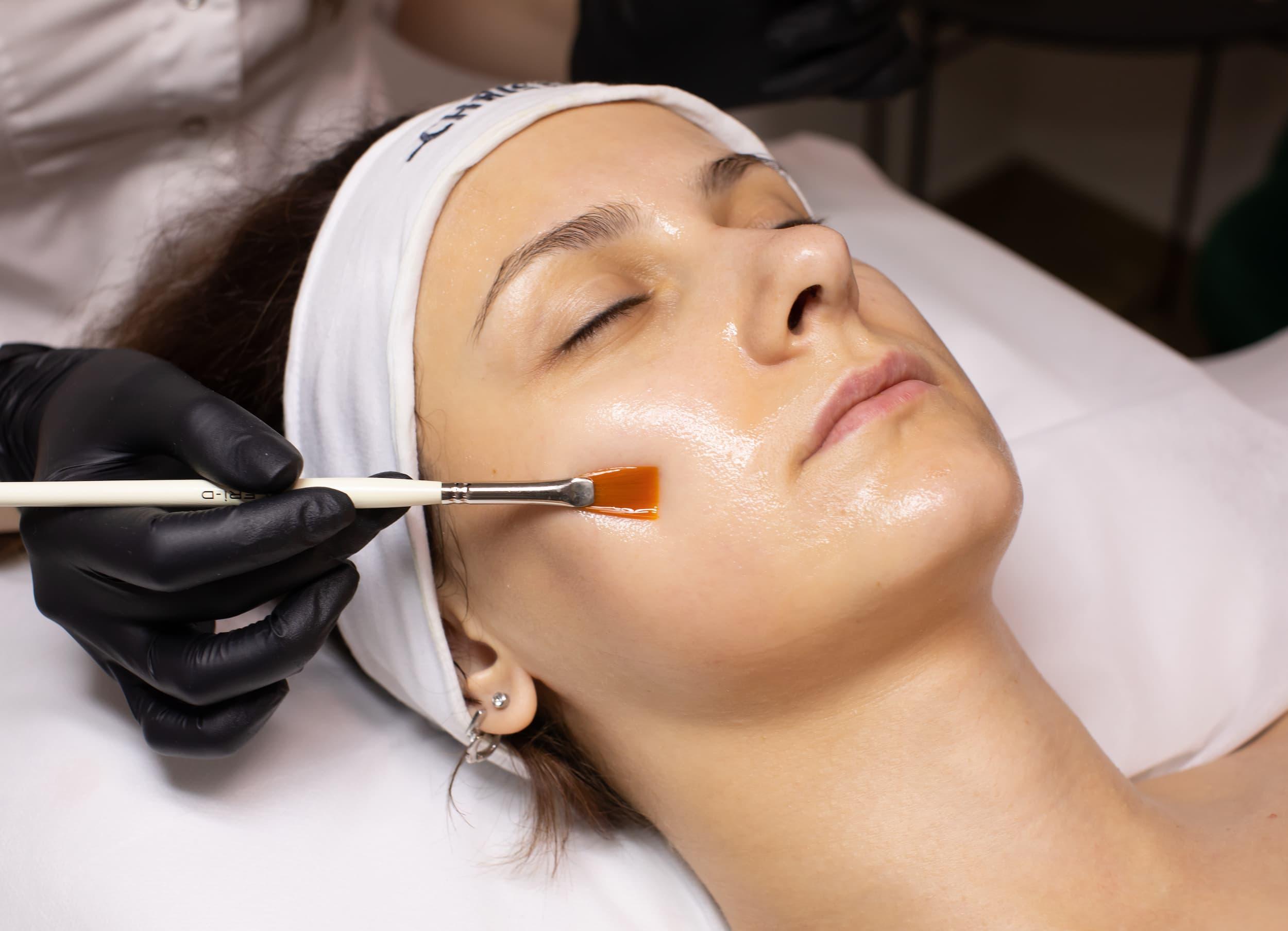
Knowing what happens during the peel removes a lot of the anxiety, especially for first-timers. Your provider will cleanse and degrease your skin, then apply the acid solution in controlled layers.
You’ll feel a tingling or warming sensation that builds gradually. Superficial peels feel like mild stinging that lasts a few minutes. Medium-depth peels produce more intense heat, and your provider may use a fan or cool compress to keep you comfortable. The actual application typically takes 10 to 20 minutes.
Afterward, your provider will neutralize the solution (for certain peel types) and apply a soothing post-treatment product. Your skin will look flushed, similar to a sunburn. Following proper chemical peel aftercare instructions from this point forward is just as important as the preparation you did beforehand.
Risks That Proper Preparation Helps You Avoid
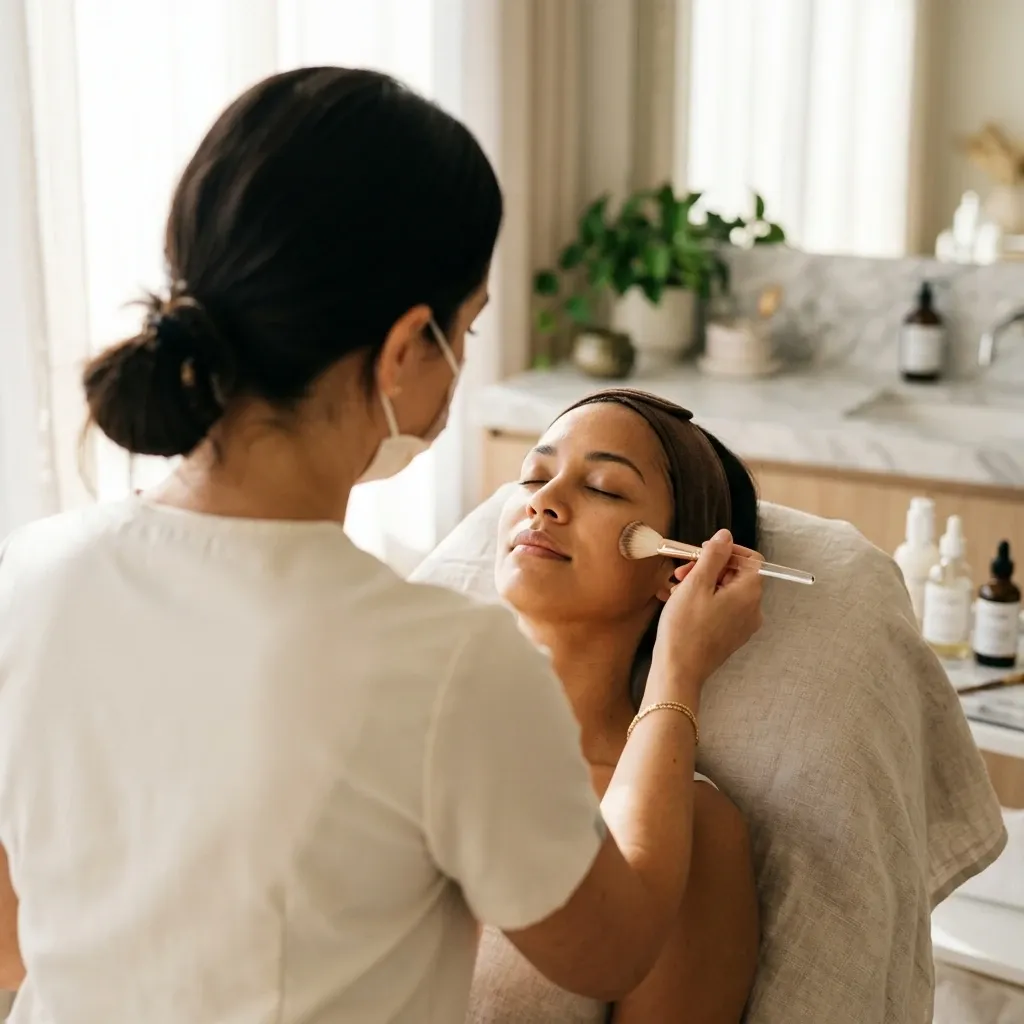
Every medical aesthetic procedure carries some risk. The point of preparation isn’t to eliminate risk entirely but to shrink the window for complications dramatically.
The most common issues from inadequate prep include uneven pigmentation, excessive peeling beyond what’s expected, prolonged redness lasting weeks instead of days, and in rare cases, scarring. Patients who skip sun protection before a peel are particularly vulnerable, because UV-damaged skin absorbs acid unpredictably.
Certain medications also increase your risk profile. Accutane (isotretinoin) users typically need to wait six months to a year after their last dose before safely undergoing a peel. Photosensitizing antibiotics, blood thinners, and some autoimmune medications may require adjustments too. This is exactly why a thorough consultation matters more than any generic checklist.
Why a Personalized Consultation Changes Everything
Online guides (including this one) give you a solid foundation, but they can’t assess your skin in person. A professional consultation lets your provider evaluate your skin’s current condition, review your medical history, and build a prep protocol tailored to your specific needs. The American Academy of Dermatology notes that dermatologists have been performing chemical peels for more than 50 years, with an excellent safety record when administered by qualified providers — but that track record depends on protocols built around the individual patient, not generic instructions. Always confirm your provider is a board-certified dermatologist, dermatologic surgeon, or works under physician supervision; peel outcomes depend heavily on operator experience and proper screening.
Your provider will determine the right peel type and depth for your goals, flag any contraindications like recent laser treatments or active infections, and give you a product list that accounts for your skin’s unique behavior. This step turns a generic timeline into a personalized plan that actually works for you.
At Coastal Health & Medical Spa in Jacksonville, our team of physicians and aestheticians customizes every peel prep plan based on your skin type, concerns, and treatment goals. Whether you’re booking a light Lunchtime Peel or a deeper resurfacing treatment, we walk you through every step so you feel confident heading into your appointment.
Your Peel Results Start Before You Sit in the Chair

The quality of your chemical peel results depends heavily on what you do in the weeks before treatment. Following a structured preparation timeline, adjusting your skincare routine, protecting your skin from UV exposure, and communicating openly with your provider during a consultation all contribute to a safer procedure and a better outcome.
Don’t leave your results to chance. If you’re ready to prepare for a chemical peel the right way, schedule a consultation with Coastal Health & Medical Spa in Jacksonville, FL. Our team will create a personalized prep plan designed for your skin type and goals so you walk into your appointment fully prepared. Visit Coastal Health & Medical Spa to book your consultation today.
Frequently Asked Questions
Q: What should you not do before a chemical peel?
A: Don’t use retinoids, AHAs, BHAs, vitamin C serums, scrubs, waxing, or tanning beds in the 1–2 weeks before a peel, and avoid prolonged sun exposure. Don’t schedule over an active breakout, and don’t try new products in the final week. Disclose all medications (Accutane, blood thinners, photosensitizers) and cold sore history at consultation.
Q: Can I get a chemical peel if I use tretinoin?
A: Yes, and many providers keep patients on tretinoin as part of pre-peel priming. Most will have you pause it 3 to 7 days before treatment to prevent excessive irritation, then restart after peeling resolves. Timing depends on peel depth, tretinoin strength, and how long you’ve been using it, so follow your provider’s specific instructions.
Q: Is a chemical peel worth it?
A: For most patients dealing with uneven tone, sun damage, fine lines, congestion, or post-acne marks, a series of chemical peels delivers noticeable, lasting improvement at a fraction of the cost and downtime of lasers. Worth depends on your specific concern, realistic expectations, and commitment to sun protection and ongoing skincare afterward.
Q: How do I choose the right chemical peel depth for my goals?
A: Match the peel depth to your primary concern, your downtime tolerance, and any history of sensitivity or pigmentation issues. Your provider can recommend the safest option after evaluating your skin and confirming you have enough time for recovery.
Q: Can I schedule a chemical peel close to a wedding, vacation, or big event?
A: Yes, but build in a buffer so any redness or peeling is fully resolved before your date. If timing is tight, ask your provider whether a gentler peel or an alternate treatment is a better fit for your schedule.
Q: What should I do if I get a pimple or irritation right before my appointment?
A: Avoid picking, spot scrubs, or harsh acne treatments, since they can inflame the area and increase uneven healing. Call the clinic with photos if possible, your provider may adjust the treatment plan or reschedule for safety.
Q: Are chemical peels safe if I am pregnant or breastfeeding?
A: Many clinics avoid certain peel solutions and common pre peel medications during pregnancy and nursing out of caution. Share your status during consultation so your provider can recommend pregnancy appropriate alternatives or defer treatment.
Q: Should I pause Botox, fillers, or other aesthetic treatments around a chemical peel?
A: It depends on the treatment and where it was performed, timing can affect comfort and skin reactivity. Tell your provider what you have had done recently, they can sequence services to protect results and minimize irritation.
Q: How often can I get a chemical peel, and when will I see results?
A: Treatment frequency varies by peel type, skin tolerance, and your goal, some people do a series while others maintain periodically. Many notice improvements after the first peel, but cumulative results typically build over multiple sessions.
Q: What ingredients are best to support my skin after a chemical peel?
A: Focus on barrier supportive, non irritating formulas, such as bland moisturizers with ceramides, gentle humectants, and mineral sunscreen. Avoid fragranced products and high activity serums until your provider confirms your skin has fully recovered.
