A Botox brow lift in Jacksonville can raise your eyebrows by a few millimeters without a single incision. That might not sound dramatic, but those millimeters are the difference between looking tired and looking refreshed, between heavy upper eyelids and an open, awake expression. For anyone who has noticed their brows creeping downward or their eyelids feeling heavier year after year, this non-surgical cosmetic treatment deserves a closer look.
The procedure works by strategically relaxing specific facial muscles that pull the brows downward, allowing the natural lifting muscles of the forehead to do their job without resistance. Injecting botox (botox injections) into targeted brow muscles and forehead muscles relaxes the muscles responsible for pulling the brows downward, which allows the brows to lift naturally and results in a more youthful appearance. This cosmetic treatment offers minimal downtime and provides a subtle, natural looking lift for facial rejuvenation. The treatment is tailored to each individual’s unique facial structure to achieve a balanced lift and natural looking results. By relaxing the brow muscles, the procedure can improve facial expressions and contribute to a refreshed and youthful look. It takes roughly 10 to 20 minutes, requires no anesthesia, and most people return to their normal routine the same day. Understanding how it works, what it can realistically accomplish, and whether you’re a good candidate matters more than any before-and-after photo.
What Is a Botox Brow Lift and How Does It Work?
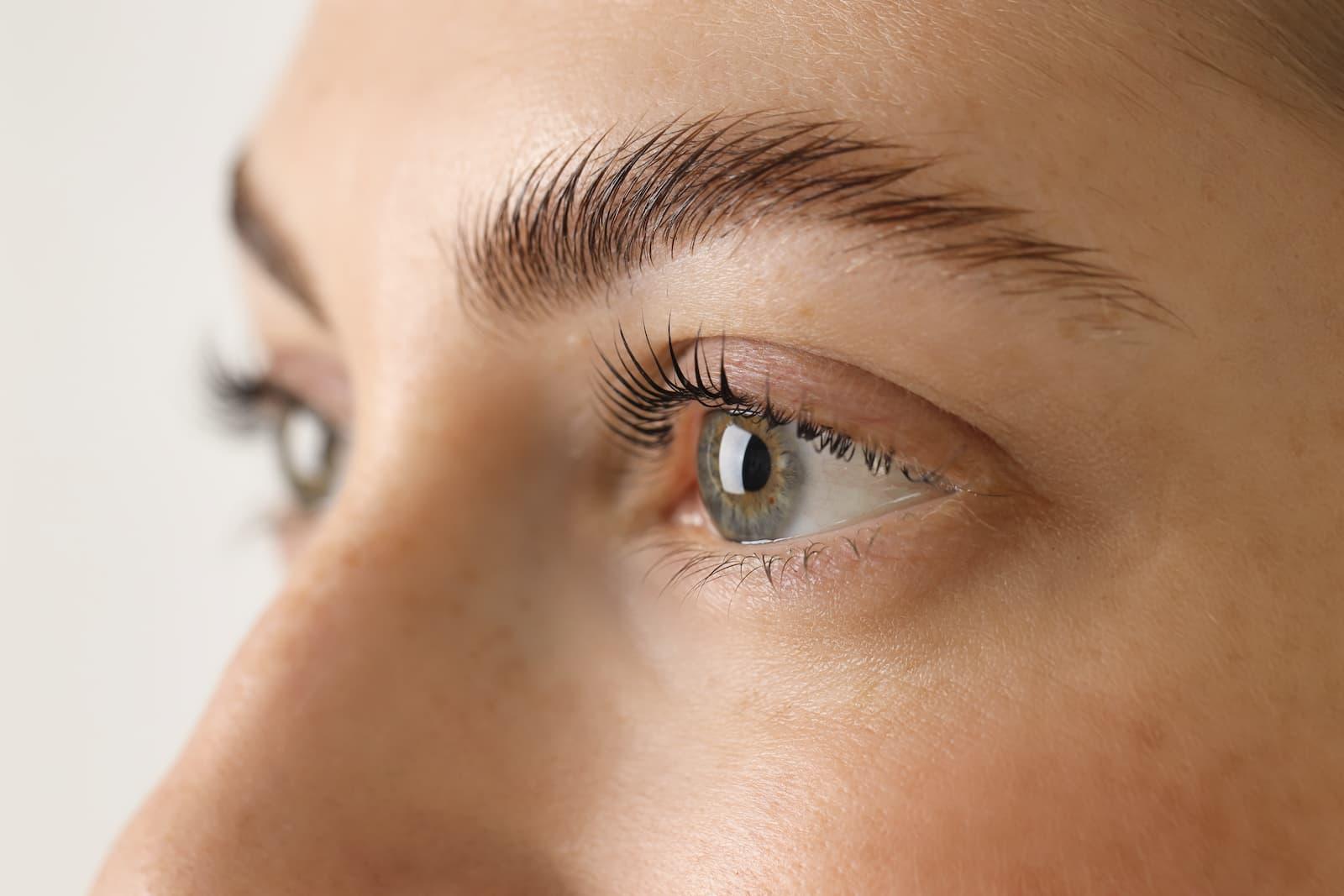
A botox brow lift uses targeted neuromodulator injections to change the balance of muscle forces around your eyebrows. Your brow position isn’t determined by a single muscle. It’s the result of an ongoing tug-of-war between muscles that pull the brow up and muscles that pull it down. Botox works by targeting specific muscles such as the corrugator, procerus, and orbicularis oculi. The American Society of Plastic Surgeons describes it as a nonsurgical technique that can subtly elevate the position of the eyebrows by selectively relaxing the depressor muscles while letting the elevator muscles function unopposed.
This lift not only raises the brows for a more open, refreshed look, but also helps smooth forehead lines, reduce glabellar lines, and can indirectly soften crow’s feet by decreasing skin bunching around the eyes.
The Muscle Mechanics Behind Brow Position
The frontalis muscle runs across your forehead and is the only muscle responsible for lifting the brows. Working against it are three depressor muscles: the orbicularis oculi (which encircles the eye), the corrugator supercilii (which creates the “11 lines” between your brows), and the procerus (which pulls down the area between your eyebrows when you scrunch your nose). These are the primary brow muscles involved in brow position.
When an injector places small amounts of neuromodulator into the depressor muscles, those muscles relax. The frontalis then meets less resistance, and the brow naturally elevates. The result is typically a 1 to 3 millimeter lift, which opens the eye area and softens the appearance of hooded upper eyelids.
Injection placement varies depending on your anatomy and goals. Some patients need more focus on the tail of the brow (the outer portion near the temple) to create a lateral lift, while others benefit from treatment closer to the glabella (the area between the brows) to reduce a heavy, furrowed look. Most brow lifts use 4 to 10 units per side, with total dosing between 8 and 20 units depending on muscle strength.
Who Is a Good Candidate for a Botox Brow Lift?
This treatment works best for people with mild to moderate brow drooping or those who notice their eyelids feeling heavier as the brow descends with age. If you catch yourself unconsciously raising your eyebrows to see more clearly or feel that your resting expression looks perpetually tired, you’re likely in the sweet spot for this procedure.
Good candidates typically include adults with early signs of brow descent, mild upper eyelid hooding that is caused by brow position rather than excess eyelid skin, and those who want a subtle improvement without committing to surgery. Skin quality and elasticity are important factors in determining candidacy, and a customized treatment plan tailored to your facial structure and goals is essential for achieving optimal, natural-looking results.
When a Botox Brow Lift May Not Be Enough
Honest assessment matters here. If you have significant skin laxity on your forehead, severe upper eyelid drooping (true dermatochalasis), or deeply descended brows, a neuromodulator alone will not produce the correction you’re looking for. In these cases, various surgical options such as a traditional brow lift, endoscopic brow lift, coronal brow lift, temporal brow lift, or eyelid surgery (blepharoplasty) may be necessary. These surgical procedures, also referred to as brow lift surgery or surgical lift, may require general anesthesia or local anesthesia and are considered when excess skin or severe brow descent is present. Surgical intervention offers more dramatic and permanent results compared to non-surgical options.
Contraindications include pregnancy or breastfeeding, neuromuscular disorders like myasthenia gravis, allergy to botulinum toxin ingredients, and active infection at the injection site. If you’ve had a previous adverse reaction to any neuromodulator, this procedure is not appropriate for you.
Botox Brow Lift vs. Surgical Brow Lift: Choosing the Right Approach
This comparison drives many of the searches around brow lifting, and for good reason. The two approaches serve different levels of need. Botox lifts, also known as brow lift botox, use botox injections to relax specific muscles and achieve a subtle lift of the brows, while surgical options such as brow lift surgery or a surgical lift involve a surgical procedure for more dramatic, permanent results. Whichever path you consider, the American Board of Cosmetic Surgery recommends consumers verify their surgeon’s credentials directly through the certifying board before any cosmetic procedure.
| Factor | Botox Brow Lift | Surgical Brow Lift |
|---|---|---|
| Invasiveness | Non-surgical (injections only) | Surgical (incisions, anesthesia) |
| Downtime | None to minimal | 1 to 2 weeks recovery |
| Degree of lift | 1 to 3 mm (subtle) | 5+ mm (significant) |
| Duration of results | 3 to 4 months | 5 to 10+ years |
| Cost per session | $200 to $800 | $3,000 to $15,000+ |
| Ideal candidate | Mild droop, early aging | Significant descent, excess skin |
| Reversibility | Effects fade naturally | Permanent structural change |
Botox works by temporarily relaxing targeted muscles, requiring maintenance treatments every few months to sustain the effect. In contrast, surgical procedures like brow lift surgery provide a permanent structural change to the brow area.
For many patients, a botox brow lift is the right starting point. It lets you preview what a lifted brow looks like before considering anything permanent. However, if you need more than a few millimeters of correction or your primary concern is excess skin rather than muscle-driven drooping, surgery delivers results that injections simply cannot match.
What a Non-Surgical Brow Lift Can and Cannot Fix
Setting realistic expectations protects you from disappointment. A botox brow lift can subtly elevate the brow, reduce the appearance of mild hooding, soften frown lines and horizontal forehead creases, and create a more alert resting expression. The goal is to enhance your natural beauty with a subtle, balanced lift and natural looking results, providing a natural looking lift rather than an artificial appearance.
It cannot remove excess upper eyelid skin, correct severe asymmetry caused by structural factors, replace lost volume in the temples or brow area, or provide a dramatic transformation. The word “subtle” is key. If someone promises you a dramatically different look from neuromodulator alone, that’s a red flag about their honesty as a provider.
What to Expect During Your Botox Brow Lift Appointment
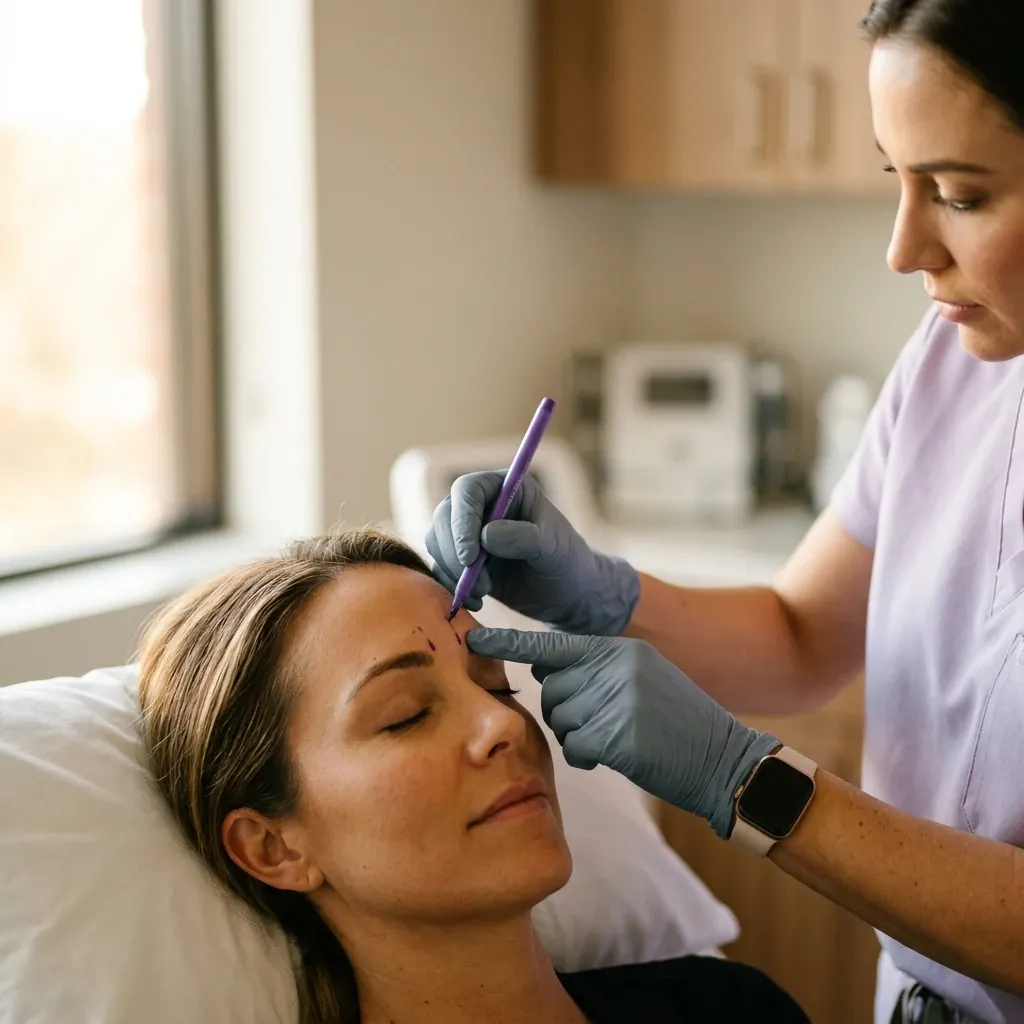
The appointment itself is one of the quickest aesthetic procedures available, typically involving injecting botox (botox injections) into targeted forehead muscles to relax the depressor muscles and subtly lift the brows. Here’s a realistic walkthrough of the process.
After cleansing the area, your provider may mark the injection sites and use a very fine needle to administer the botox. Most people experience only mild discomfort, but some providers may use local anesthesia to improve comfort for sensitive patients. The entire process usually takes less than 15 minutes.
One of the main advantages of a Botox brow lift is the minimal downtime—most patients can resume normal activities immediately after the procedure.
Consultation and Assessment
Your injector will evaluate your facial anatomy at rest and during expression. They’ll ask you to raise your brows, frown, and squint to assess how your muscles interact. During this assessment, the injector also considers your unique facial structure to tailor the treatment specifically to your facial structure, ensuring optimal and natural-looking results. This step determines exactly where to place the injections and how many units to use. You should read up on how to prepare for Botox before your visit to ensure the smoothest experience possible.
The Injection Process
After cleansing the treatment area, the injector uses a fine needle to place small amounts of neuromodulator into the targeted depressor muscles. Most brow lifts require between 4 and 10 units per side, though this varies based on muscle strength and desired outcome.
The entire injection process takes about 10 to 15 minutes. Discomfort is minimal. Most patients describe it as a small pinch. No anesthesia is needed, though some providers offer a topical numbing cream if you prefer it.
Most patients return to normal activities immediately after treatment, as there is no recovery period. However, patients are advised to avoid strenuous exercise, lying down, or bending over for the first 4 hours post-treatment to prevent the Botox from migrating to unintended areas. Follow up treatments are typically scheduled every 3-6 months to maintain optimal results.
Botox vs. Dysport vs. Letybo for a Brow Lift

Not all neuromodulators behave identically, and your choice of product can influence results. Botox (onabotulinumtoxinA) is the most widely recognized option and tends to stay precisely where it’s placed, which makes it a strong choice for the targeted work a brow lift requires.
Dysport (abobotulinumtoxinA) diffuses slightly more, meaning it spreads across a broader area. This can be an advantage for treating the forehead as a whole but requires a skilled hand when precision matters near the brow. If you’re weighing these two options, a deeper comparison of Botox and Dysport for aesthetic goals can help clarify the differences.
Letybo (letibotulinumtoxinA) is a newer option gaining traction. If you’re unfamiliar with this product, understanding what Letybo is and how it works provides helpful context. Early clinical use suggests a clean onset profile with results comparable to traditional botulinum toxin products.
The “best” product depends on your anatomy, your injector’s experience with each formulation, and your treatment goals. At Coastal Health & Medical Spa in Jacksonville, FL, all three neuromodulators are available, which means your provider can recommend the option that best fits your specific needs rather than defaulting to whatever’s in stock. For a broader look at how Botox is used across different treatment areas, our overview of the best places to get Botox on your face walks through the most common indications.
Results Timeline and How Long a Botox Brow Lift Lasts
Results do not appear immediately. You’ll typically notice the brow beginning to lift within 3 to 5 days as the depressor muscles relax. Full results develop by day 10 to 14.
The peak effect generally lasts 3 to 4 months before the muscles gradually regain their activity. Some patients who maintain a consistent treatment schedule find that results begin to last longer over time as the muscles weaken from repeated relaxation. NielsenIQ’s State of Beauty 2025 report noted that 29% of consumers globally now view tweakments as a complement to skincare routines, which reflects how treatments like brow lifts fit naturally into ongoing maintenance plans.
Most patients schedule follow-up appointments every 3 to 4 months to maintain their results consistently.
Risks, Side Effects, and Aftercare
Common Side Effects
Mild bruising and swelling at the injection sites are the most frequently reported side effects. Temporary headache can occur in some patients, particularly those new to neuromodulator treatment. These effects typically resolve within a few days. A tight or heavy feeling in the forehead during the first week is also possible as the muscles adjust to relaxation.
Less Common Risks
The most concerning potential complication is brow ptosis (a dropped brow) or eyelid ptosis (a drooping eyelid), which occurs when product migrates or is placed incorrectly. Brow asymmetry can also result from uneven dosing. These risks underscore why injector experience and anatomical knowledge are not optional luxuries. They’re the primary safety factor.
Aftercare Checklist
Proper aftercare during the first 24 to 48 hours helps optimize your results and minimize complications.
- Stay upright for at least 4 hours after treatment
- Avoid rubbing or massaging the treated area for 24 hours
- Skip intense exercise, saunas, and hot tubs for 24 hours
- Avoid alcohol for 24 hours to reduce bruising risk
- Do not lie face-down during sleep for the first night
Contact your provider if you experience significant swelling, vision changes, or difficulty fully opening your eye in the days following treatment.
Combining a Brow Lift with Other Treatments
A botox brow lift rarely exists in isolation. Many patients treat the brow alongside crow’s feet, forehead lines, or glabellar (frown) lines for a cohesive upper-face refresh. Adding dermal fillers to address temple hollowing or under-eye volume loss can amplify the rejuvenating effect beyond what neuromodulator alone achieves. Some patients also pair a brow lift with cheek fillers to restore midface volume that supports the upper face structurally. Additionally, some patients combine their brow lift with laser skin resurfacing to improve skin texture and enhance overall facial rejuvenation.
A Botox lip flip pairs well for patients wanting overall facial balance without any single treatment looking “done.” The goal is always harmony. Treating the brow while ignoring deep crow’s feet, for example, can create an imbalance that draws more attention to the untreated areas.
Cost of a Botox Brow Lift in Jacksonville
Pricing depends on the number of units required and which neuromodulator you choose. Most brow lifts use between 8 and 20 total units. Across the U.S. market, Botox brow lifts typically run $200 to $800 per session, with surgical alternatives ranging from $3,000 to $15,000.
Note on pricing: The ranges above reflect typical U.S. industry figures for planning purposes only. They do not represent Coastal Health & Medical Spa’s current pricing. Contact our team for up-to-date rates.
Keep in mind that this is a maintenance treatment. Budgeting for 3 to 4 sessions per year gives you the most accurate annual cost picture. Some patients find that combining their brow lift with other treatment areas during the same visit provides better overall value.
Is a Botox Brow Lift Right for You? A Decision Framework
Rather than guessing, run through these questions honestly.
- Do your brows sit lower than they did 5 to 10 years ago?
- Do you unconsciously raise your forehead to open your eyes wider?
- Does your upper eyelid feel heavy, but your doctor hasn’t diagnosed excess eyelid skin?
- Are you comfortable with a subtle improvement rather than a dramatic change?
- Can you commit to maintenance treatments every 3 to 4 months?
If you answered yes to most of these, a botox brow lift is worth exploring. If your concerns involve significant skin excess or you want a permanent solution, a surgical consultation may serve you better. There’s no shame in either direction.
Your Next Step Toward a Refreshed Brow

A botox brow lift offers a low-commitment way to restore a more youthful, open eye area without the downtime and expense of surgery. The key to a great result is finding an experienced injector who understands facial anatomy and takes the time to assess your unique muscle dynamics before picking up a syringe.
If you’re in the Jacksonville area and considering a brow lift, the team at Coastal Health & Medical Spa offers personalized consultations to determine which neuromodulator and injection strategy will deliver the most natural-looking improvement for your specific anatomy. Visit Coastal Health & Medical Spa to schedule your consultation and take the first step toward a more refreshed appearance.
Frequently Asked Questions
Q: How long will a Botox brow lift last?
A: Most Botox brow lifts last 3 to 4 months. Onset begins within 3 to 5 days, with full results visible by day 10 to 14. Patients who maintain a consistent treatment schedule sometimes report that results last slightly longer over time as the depressor muscles weaken from repeated relaxation.
Q: Is a Botox brow lift worth it?
A: For mild brow descent and early signs of aging, yes. A Botox brow lift delivers a subtle 1 to 3 mm lift with no downtime at a fraction of the cost and recovery of surgery. It’s also reversible because effects fade naturally. The treatment is less worthwhile for patients with significant skin excess or deeply descended brows, where surgery delivers results injections cannot match.
Q: How much does a Botox eyebrow lift cost?
A: Most U.S. clinics charge $200 to $800 per session for a Botox brow lift, depending on units used and provider expertise. With 3 to 4 sessions per year for maintenance, annual costs typically run $800 to $3,200. Surgical brow lifts cost $3,000 to $15,000 once but last 5 to 10+ years.
Q: Is a brow lift better than Botox?
A: It depends on your concern. A surgical brow lift produces a more dramatic 5+ mm lift that lasts 5 to 10+ years, making it the better choice for significant brow descent or excess skin. Botox produces a subtle 1 to 3 mm lift with no downtime and is reversible, making it ideal for early aging, prevention, or patients hesitant to commit to surgery. Many patients use Botox first, then consider surgery later.
Q: How should I prepare for a Botox brow lift to reduce bruising and downtime?
A: Ask your provider in advance about medications and supplements that can increase bruising risk, and only pause anything with medical approval. Arrive with a clean face and plan to avoid scheduling the appointment right before major photos or events in case of minor swelling.
Q: Will a Botox brow lift change my eyelid shape or affect eyeliner and eyeshadow application?
A: It can subtly change the “canvas” above the eyes, which may make winged liner or crease placement feel slightly different at first. Many patients find makeup applies more evenly once the brow position stabilizes, which is typically within about two weeks.
Q: How do injectors handle naturally uneven brows so results look balanced?
A: Most people start with some asymmetry, so skilled injectors use small dose adjustments and placement changes on each side to harmonize the look. A follow-up check can be helpful to fine-tune if one side responds faster than the other.
Q: How soon before a wedding or big event should I schedule a Botox brow lift?
A: Plan treatment at least two weeks ahead so the result has time to fully settle and any minor bruising can fade. If it is your first time, booking three to four weeks early provides extra buffer for a potential touch-up.
Q: What happens if I stop getting Botox brow lifts after doing them for a while?
A: Your muscles gradually return to their usual activity, and your brows will drift back toward your baseline over time. Stopping does not typically make aging “worse.” It simply removes the temporary lift effect you were maintaining.
