Hormonal changes are a natural part of life, but that doesn’t mean they should go unmanaged. For many adults entering their 40s and 50s, these changes become especially noticeable. Men begin to experience a decline in testosterone (commonly called low T), while women transition into perimenopause and menopause, often with a steep drop in estrogen and progesterone. These shifts can create a range of symptoms that disrupt daily life: unexplained weight changes, sleep disturbances, mood swings, hair thinning, and chronic fatigue.
So it’s no surprise that many people begin exploring hormone replacement therapy (HRT) during midlife. But what happens if those symptoms start earlier, or much later? What age can you start HRT, and more importantly, when is it too late to start HRT?
At Coastal Health & Medical Spa in Jacksonville, we believe it’s never too late, or too early, to take control of your hormonal health, as long as treatment is safely and thoughtfully administered. This guide covers the full age range for HRT, the latest research on starting later in life, who benefits most, and how we customize every plan around your stage of life.
Quick Answer: Is It Ever Too Late to Start HRT?
For most adults, no. The strongest benefits cluster when treatment starts before age 60 or within 10 years of menopause onset, but research from the Menopause Charity and clinical guidelines on continuing HRT past 65 confirm that many people in their late 60s and 70s can still safely start hormone therapy with proper screening and lower-dose, transdermal delivery methods. Age alone is not a disqualifier. Your medical history, risk factors, and symptoms matter more than the number on your driver’s license.
What Age Can You Start HRT?
HRT isn’t just for people navigating menopause or midlife. Hormonal imbalances can affect adults as early as their twenties. Recognizing the symptoms of low estrogen early can help you decide when it makes sense to explore treatment. Conditions like polycystic ovary syndrome (PCOS), endometriosis, severe PMS, postpartum hormonal shifts, or premature ovarian insufficiency can all trigger symptoms that mimic menopause decades earlier than expected.
At medical spas, patients must be at least 18 years old to begin treatment. From there, your medical team evaluates each person on an individual basis: hormone levels, symptoms, medical history, and lifestyle factors all factor into the decision. After lab work and a thorough health consultation, providers craft a custom treatment plan designed to help patients regain hormonal balance and improve overall well-being.

The Best Age to Start HRT
If you’re wondering about the best age to start HRT, you’re not alone. There’s no single magic number, but most women begin treatment during perimenopause (late 30s to early 50s) or once menopause becomes disruptive. The same goes for men in that age range who begin to experience the effects of low testosterone, like sleep disturbances, weight gain, brain fog, and lack of energy.
According to the Mayo Clinic, the benefits of menopause hormone therapy may outweigh the risks if you start treatment before age 60, or within 10 years of menopause. NPR’s reporting on recent FDA guidance updates echoes this: experts recommend starting estrogen therapy before the age of 60 or within ten years of the start of menopause, when cardiovascular and bone-health benefits tend to be strongest.
That said, “ideal” is a generalization. Your symptoms, lifestyle, health history, and goals matter just as much as your birthdate. Some people benefit from early intervention, others may not need or want treatment until much later. What matters most is that your HRT plan is personalized to you, not based solely on age.
HRT by Age Bracket: A Quick Reference
| Age Bracket | Common Reasons to Consider HRT | Typical Approach |
|---|---|---|
| 20s to early 30s | PCOS, endometriosis, severe PMS, postpartum imbalance, premature ovarian insufficiency | Targeted bioidentical therapy after thorough endocrine workup |
| Mid 30s to 40s | Perimenopause, early andropause, fatigue, mood, sleep changes | Low-dose BHRT, often topical or pellet; lifestyle support |
| 50s | Menopause, andropause; the “ideal window” for cardiovascular and bone benefits | Standard BHRT, transdermal preferred over oral when possible |
| 60s | Persistent menopausal symptoms, sexual function concerns, bone health | Lower doses, transdermal delivery, careful screening for cardiovascular risk |
| 70s and beyond | Quality-of-life symptoms, vaginal/genitourinary symptoms, libido | Conservative dosing, often local/vaginal estrogen for genitourinary issues |
When Is It Too Late to Start HRT?
The honest answer: rarely ever. While certain precautions apply for older adults, many people can begin HRT well into their 60s and even 70s with positive outcomes. A common misconception is that after menopause or a long delay, the risks of HRT outweigh the benefits. Recent research and updated clinical guidelines suggest a more nuanced picture, especially for adults without major contraindications.
The only time age becomes a serious concern is when a person has unmanaged risk factors: a history of blood clots, stroke, heart disease, or estrogen-sensitive cancers. In these cases, hormone therapy may still be possible but with more caution, lower doses, or alternative delivery methods like patches or creams that reduce systemic absorption. The American Cancer Society notes that HRT may not be recommended for people with a history of cancer, heart disease, or bone problems, and that recommendations differ for people with versus without a uterus.
The bottom line: age alone shouldn’t disqualify you. Many older adults find meaningful relief from persistent symptoms like night sweats, brain fog, joint pain, and low libido with HRT. For men specifically, low libido and fatigue often trace back to declining testosterone; our guide on how to increase testosterone covers the natural and medical options.
What Disqualifies Someone from HRT?
Not every patient is a candidate for hormone replacement therapy. Common contraindications include:
- Active or recent breast, ovarian, or uterine cancer (especially estrogen-sensitive cancers)
- Active or recent blood clots (deep vein thrombosis, pulmonary embolism)
- Recent stroke or heart attack
- Untreated severe high blood pressure
- Active liver disease
- Pregnancy
- Unexplained vaginal bleeding
If any of these apply, your provider may explore alternative approaches: vaginal-only estrogen for genitourinary symptoms, non-hormonal symptom management, or careful low-dose protocols. Always disclose your full medical history at consultation, including current medications, supplements, and family history of hormone-sensitive cancers.
Customized HRT at Every Stage of Life
Whether you’re 28 and struggling with hormone-related mood swings or 68 and trying to sleep through the night again, HRT isn’t one-size-fits-all. That’s why every patient should receive a custom-designed plan based on lab results, symptoms, and lifestyle.
Our approach typically includes:
- Bioidentical hormone therapy (hormones that mimic those naturally produced by your body)
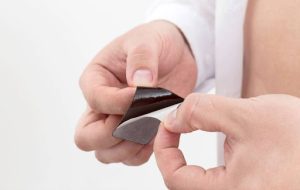
- Flexible delivery methods such as pellets, topical gels, patches, or vaginal creams
- Ongoing lab monitoring and dose adjustments to optimize results and minimize side effects
For older patients, transdermal methods (patches, gels, creams) are typically preferred over oral estrogen because they bypass first-pass liver metabolism, which is associated with a lower risk of blood clots and cardiovascular issues. The NHS guide to HRT covers when and how to start treatment, including timing around perimenopause and postmenopausal symptoms.
For a deeper look at why bioidentical formulations are typically preferred over older synthetic hormones, see our BHRT vs. traditional HRT guide. If your hormonal imbalance is also driving stubborn weight gain, our blog on how to lose weight with a hormone imbalance walks through the metabolic side of the equation.
Lifestyle Habits That Support HRT Success
Successfully integrating hormone replacement therapy into your daily routine takes more than just taking medications or applying treatments as prescribed. The most successful HRT patients adopt complementary lifestyle habits that support hormonal health.
Sleep quality plays a crucial role in hormone regulation. Establishing a consistent sleep schedule and creating an optimal sleep environment (cool, dark bedroom, no screens before bed, a relaxing wind-down routine) significantly enhances HRT results.
Nutrition also matters. Focus on foods that naturally support hormone production and balance: healthy fats from avocados and nuts, lean proteins, and plenty of colorful vegetables rich in antioxidants. Limiting processed foods, excessive sugar, and alcohol helps prevent inflammation that interferes with how your body responds to HRT. Regular meal timing supports stable blood sugar, which in turn supports more stable hormone levels throughout the day.
Exercise is another powerful tool. Strength training is particularly beneficial for maintaining bone density and muscle mass, which are common concerns during hormone therapy. However, excessive high-intensity exercise can sometimes interfere with hormone balance, so working with your provider to develop an appropriate fitness routine is important. Stress management techniques like meditation, yoga, or regular massage support your HRT journey by helping regulate cortisol levels, which can interfere with other hormones when chronically elevated.

Signs You Might Benefit from HRT
If you’re not sure whether you’re a candidate for HRT, consider whether you’re dealing with any of the following:
- Persistent fatigue or low energy
- Difficulty falling asleep or staying asleep
- Mood changes, irritability, or anxiety
- Hot flashes, night sweats, or temperature dysregulation
- Unexplained weight gain or muscle loss
- Low libido or sexual discomfort
- Vaginal dryness or genitourinary symptoms
- Hair thinning or dry skin
- Brain fog, memory issues, or difficulty concentrating
- Joint pain or stiffness
These symptoms aren’t just a part of aging. They’re often the result of hormonal imbalance, and the good news is that targeted HRT can help. Many of these shifts begin during perimenopause; our guide to perimenopause symptoms explains what to watch for and when to act.
Frequently Asked Questions
Q: What is the maximum age for HRT?
A: There is no fixed maximum age. While the strongest cardiovascular and bone benefits cluster when starting before age 60 or within 10 years of menopause, many adults in their late 60s and 70s safely begin HRT with appropriate screening, lower doses, and transdermal delivery methods. Decisions are based on health profile, not birthdate alone.
Q: Is it better to go through menopause without HRT?
A: It depends entirely on your symptoms and risk profile. Some women have mild symptoms and prefer non-hormonal approaches. Others have severe hot flashes, sleep disruption, mood changes, or vaginal symptoms that significantly impact quality of life, and HRT is well-supported for these patients. The decision is personal and should be made with a qualified provider based on your specific situation.
Q: What are signs you need HRT?
A: Persistent fatigue, sleep disruption, hot flashes, mood changes, weight gain, low libido, brain fog, vaginal dryness, and joint pain are common signs of hormonal imbalance. If multiple symptoms are interfering with daily life and conservative measures haven’t helped, it’s worth discussing HRT with a provider who can run lab work and assess whether you’re a candidate.
Q: What disqualifies you from HRT?
A: Active or recent estrogen-sensitive cancers, recent blood clots or stroke, untreated severe high blood pressure, active liver disease, pregnancy, and unexplained vaginal bleeding are common contraindications. Personal and family history of hormone-sensitive cancers, smoking status, and cardiovascular risk all factor into the decision. A thorough consultation determines candidacy.
Q: Can you start HRT after age 65?
A: Yes, with appropriate screening. The Menopause Charity and other clinical sources note that many women who are otherwise fit and well can still benefit from HRT even more than 10 years after menopause. Older starts typically use lower doses, transdermal delivery (patches, gels), and more frequent monitoring to manage cardiovascular risk.
Q: How long can I stay on HRT?
A: There is no rigid time limit. Some patients use HRT for a few years to manage acute menopausal symptoms, while others continue for decades to maintain quality of life. Regular reassessment with your provider helps weigh ongoing benefits against any emerging risks. Stopping HRT abruptly can cause symptom rebound, so any discontinuation should be planned and tapered.
Q: What’s the difference between BHRT and traditional HRT?
A: Traditional HRT uses synthetic hormones, while bioidentical hormone replacement therapy (BHRT) uses hormones that are chemically identical to those your body produces naturally. BHRT can be customized to individual lab values and is often delivered through pellets, topical gels, or creams. For a full breakdown, see our BHRT vs. HRT comparison.
Final Thoughts: Is HRT Too Late for You?
To sum it up: when is it too late to start HRT? In most cases, it isn’t. With expert care and individualized treatment, patients at almost any age can find relief from hormone-related symptoms and restore energy, mood, sleep, and vitality.
At Coastal Health & Medical Spa, we’re proud to help men and women in the Jacksonville area take control of their hormonal health, whether they’re just starting the transition or decades into it.
Whether you’re in your 30s or your 70s, we’re here to help you navigate your hormonal health journey. Schedule your consultation today.
